Clarkson’s Farm Shines a Spotlight on the Hard Work Behind Every Meal
Jeremy Clarkson, best known for his outspoken persona on Top Gear and The Grand Tour, has taken a different route in recent years, using his platform to highlight the challenges and dedication inherent in modern farming. Clarkson’s Farm has become more than just a television series; it is a window into the reality of agriculture, showing audiences the immense effort required to bring food from the field to the table.
Since taking over Diddly Squat Farm, Clarkson has immersed himself in the daily grind of running a working farm. From plowing fields and planting crops to managing livestock and navigating government regulations, each episode demonstrates the combination of physical labor, technical knowledge, and problem-solving skills that farmers employ day after day. Clarkson’s candid narration and sometimes humorous commentary provide entertainment, but the core message is clear: farming is incredibly demanding work, often underappreciated by the public.
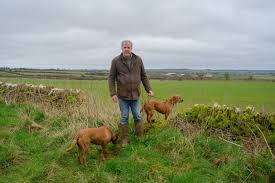
One of the most striking aspects of the show is how it portrays the unpredictability of farm life. Weather, soil conditions, equipment malfunctions, and bureaucratic challenges all contribute to the uncertainty that farmers must navigate. Clarkson himself, despite his years of experience with complex machines on television, often struggles with the same problems as any modern farmer, whether it’s machinery breaking down in the field or livestock behaving unpredictably. Through these moments, viewers gain an appreciation for the patience and resilience required to succeed in agriculture.
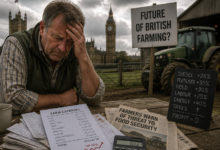
Beyond the physical labor, Clarkson’s Farm also exposes the economic pressures faced by farmers. Input costs such as feed, fertilizers, fuel, and machinery maintenance are rising steadily, while commodity prices remain volatile. Clarkson frequently highlights the tension between producing quality crops or livestock and maintaining a viable business. His struggles and frustrations mirror the reality of many British farmers, helping the audience understand that the work is not only physically taxing but financially risky.



Clarkson’s interactions with his team, particularly Kaleb Cooper and other farmhands, also shed light on the social and human aspects of farming. Coordinating a small crew, balancing skill sets, and mentoring younger workers are all part of the farm’s ecosystem. The show captures these relationships, illustrating the trust, cooperation, and occasional conflict that define life on a working farm. These moments reinforce that agriculture is a people-centered profession as much as it is a technical one.

Another vital component of Clarkson’s Farm is the way it connects viewers to the food they consume. Seeing the meticulous care taken in planting, tending, and harvesting crops or raising animals encourages audiences to reflect on the journey their meals undertake. It offers a sense of transparency and respect for the people behind the grocery store shelves, bridging the gap between urban consumers and rural producers. Clarkson’s storytelling often emphasizes that every loaf of bread, every vegetable, and every meat product has required significant effort long before reaching the consumer’s plate.
Importantly, Clarkson’s series is educational without being preachy. While he occasionally critiques government agricultural policies or market pressures, the show primarily focuses on the human stories and labor involved. Audiences are entertained by Clarkson’s wit and personality, yet simultaneously educated about the realities of farming—a balance that has resonated widely, attracting viewers beyond traditional agricultural circles.

In conclusion, Clarkson’s Farm is more than a television program; it is a celebration of the effort, resilience, and expertise of modern farmers. Jeremy Clarkson’s journey at Diddly Squat Farm has opened eyes to the sheer scale of work and dedication required to sustain the agriculture industry. For viewers, the series is a reminder that the food on our tables represents countless hours of labor, careful planning, and unwavering commitment. Through laughter, frustration, and triumph, Clarkson highlights a vital truth: behind every meal is a story of hard work that deserves appreciation.