The High Cost of Farming: Why British Farmers Struggle to Afford the Tools They Need
Farming has always been a demanding profession, but modern agriculture increasingly requires sophisticated machinery to remain viable. Tractors, combines, balers, and sprayers are not luxuries—they are essential tools. Without them, a farmer cannot plough, drill, sow, spray, or harvest. Yet today, the cost of these machines has skyrocketed, leaving many farmers unable to afford the equipment necessary to maintain productivity.
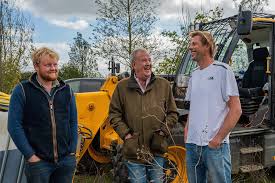
A decade ago, a standard 200-horsepower tractor cost around £60,000. Today, the same model exceeds £100,000. Combine harvesters, once £200,000, now sell for £450,000. Balers and sprayers have also jumped dramatically in price, making basic farm operations prohibitively expensive for smaller and mid-sized farms. The machinery required to grow staple crops like wheat, barley, and oilseed rape has become a major financial burden.
Farmers have been forced to adapt. Many turn to second-hand equipment, hoping to stretch their budgets. Yet the market for used machinery is also inflating, driven by high demand. A ten-year-old tractor that might once have cost £20,000 now goes for £35,000. Leasing machinery is another option, but high interest rates mean farmers often end up paying more in the long run, never fully owning the equipment they rely on. Sharing machinery with neighbors is common, but coordinating schedules often creates conflicts, especially during peak seasons. Some farmers are left with no choice but to continue using old machines, patching and improvising in the hope that they last through another harvest.
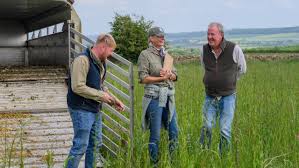



One Yorkshire farmer described the daily reality: “My combine is 18 years old. It breaks down every harvest. But I can’t afford a new one. So I fix it with whatever I can find and pray it lasts one more year.” Stories like this are increasingly common, reflecting a wider crisis in British agriculture. Without access to modern, reliable machinery, farmers cannot achieve the productivity levels necessary to compete in both domestic and international markets.
The government frequently emphasizes farm productivity, but productivity requires investment. Modern machinery is vital for efficiency and sustainability, yet the funding gap continues to widen. For many, the choice is stark: operate inefficiently with outdated equipment or risk financial collapse trying to keep up with rising costs. Fertilizer, fuel, feed, and labor costs continue to rise alongside machinery expenses, compounding the financial strain.
The impact goes beyond individual farms. Food security, rural employment, and community livelihoods are all linked to farmers’ ability to maintain modern operations. If machinery remains out of reach, production slows, and local supply chains are affected. High prices and inadequate access to essential tools create systemic challenges that could influence the entire agricultural sector.
Moreover, the emotional toll on farmers cannot be underestimated. Working long hours under harsh conditions, constantly repairing and improvising machinery, and navigating financial uncertainty is exhausting. For younger generations, the barriers to entry are high. Many are deterred from pursuing farming as a career, worried they cannot afford the tools or investment required. The average age of British farmers continues to rise, signaling a potential crisis in succession and sustainability.
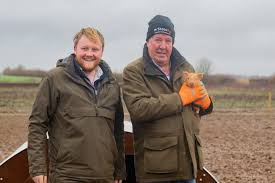
In short, modern farming is no longer just about planting and harvesting—it is about balancing financial realities with operational needs. Tractors, combines, balers, and sprayers are the lifeblood of agriculture, but they have become increasingly inaccessible. Without affordable access to these essential tools, British farmers face an uphill battle to remain competitive, productive, and sustainable.
The question is stark: how can farmers continue to feed the country if they cannot afford the basic equipment needed to grow the food we rely on? The machinery may be heavy, but the financial weight is even heavier—and without support, the consequences could ripple through every part of the food supply chain.