Clarkson’s Farm Season 5: Are Fans Loving It or Feeling Let Down?
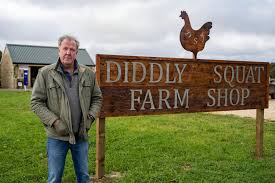
Season 5 of Clarkson’s Farm has officially returned to Prime Video, and with it comes the mixture of anticipation, excitement, and scrutiny that long-time viewers have come to expect from Jeremy Clarkson’s adventures on Diddly Squat Farm. While many fans have been eagerly awaiting the continuation of Clarkson’s unique blend of humor, rural reality, and agricultural insight, some outlets, including The Metro, have expressed reservations about the latest season. This has sparked conversation across social media, as viewers debate whether the show is hitting its stride or starting to feel repetitive.

The Metro’s review suggested that the new season feels slower than past installments, highlighting that certain episodes linger too long on machinery issues, weather delays, and day-to-day farm chores. According to the outlet, some sequences “drag,” making it difficult for casual viewers to stay engaged, especially those who are more drawn to the comedic elements than the agricultural realities. However, fans argue that this slow pace is precisely what makes Clarkson’s Farm relatable and authentic. Farming, after all, is not a fast-paced Hollywood production; it is labor-intensive, unpredictable, and full of small victories and setbacks that build over time.
One of the most discussed additions in Season 5 is the use of modern technology on the farm. A robot tractor has been introduced to manage key tasks traditionally handled by Kaleb Cooper and the rest of the team. The intention is to modernize the farm, increase efficiency, and reduce human labor, but viewers quickly noticed that technology cannot fully replicate the nuance, judgment, and adaptability of experienced farmhands. Fans have mixed reactions—some are fascinated by the innovation, while others miss the chaotic, hands-on humor of previous seasons. This tension between tradition and modernization has become one of the season’s most talked-about storylines, often sparking debate about the future of farming in the UK.


In addition to technology, the season continues to showcase Clarkson’s personal challenges. His candid frustration with agricultural policies, government decisions, and economic pressures affecting rural communities provides both entertainment and insight. While some critics have dismissed these political moments as over-the-top, many viewers appreciate the real-world commentary, seeing Clarkson as a spokesperson for British farmers who often feel overlooked. These elements help balance the slower, observational sequences with moments of high energy and clear stakes, giving the season a unique rhythm that blends comedy, drama, and education.
The chemistry among the cast members remains a highlight of Season 5. Kaleb Cooper, Lisa Hogan, Annie Gray, and Charlotte Kingham bring humor, skill, and authenticity to the farm, creating moments that feel genuine and unscripted. Fans have praised the show for capturing the personalities of the people who keep Diddly Squat running, rather than relying solely on Clarkson’s larger-than-life persona. This ensemble approach continues to be a strong point for the show, even as individual episodes may receive mixed critical reviews.
Ultimately, the question remains: are viewers enjoying Season 5 as much as they hoped? Social media suggests a divided audience. Hardcore fans appreciate the slower, authentic storytelling and the focus on real farming challenges, while newer viewers or casual fans may struggle with episodes that focus heavily on daily operations or machinery issues. The Metro’s critique serves as a reminder that what makes Clarkson’s Farm unique—its authenticity and attention to the minutiae of farm life—can also make it polarizing.

In conclusion, Clarkson’s Farm Season 5 continues to be a blend of humor, hardship, and heartfelt insight into rural life. Whether it’s technology experiments, government commentary, or day-to-day farming struggles, the season offers something for longtime fans while challenging the expectations of casual viewers. While outlets like The Metro may not be fully impressed, the passionate fanbase continues to engage with every episode, debating, laughing, and learning along with Clarkson and his team. The conversation itself proves that the show’s impact extends far beyond ratings or reviews—it resonates because it is real, unpredictable, and full of human moments that viewers can relate to, love, or criticize.