Jeremy Clarkson Slams Farming Tax Climbdown, Says It Could Still Damage Rural Britain.
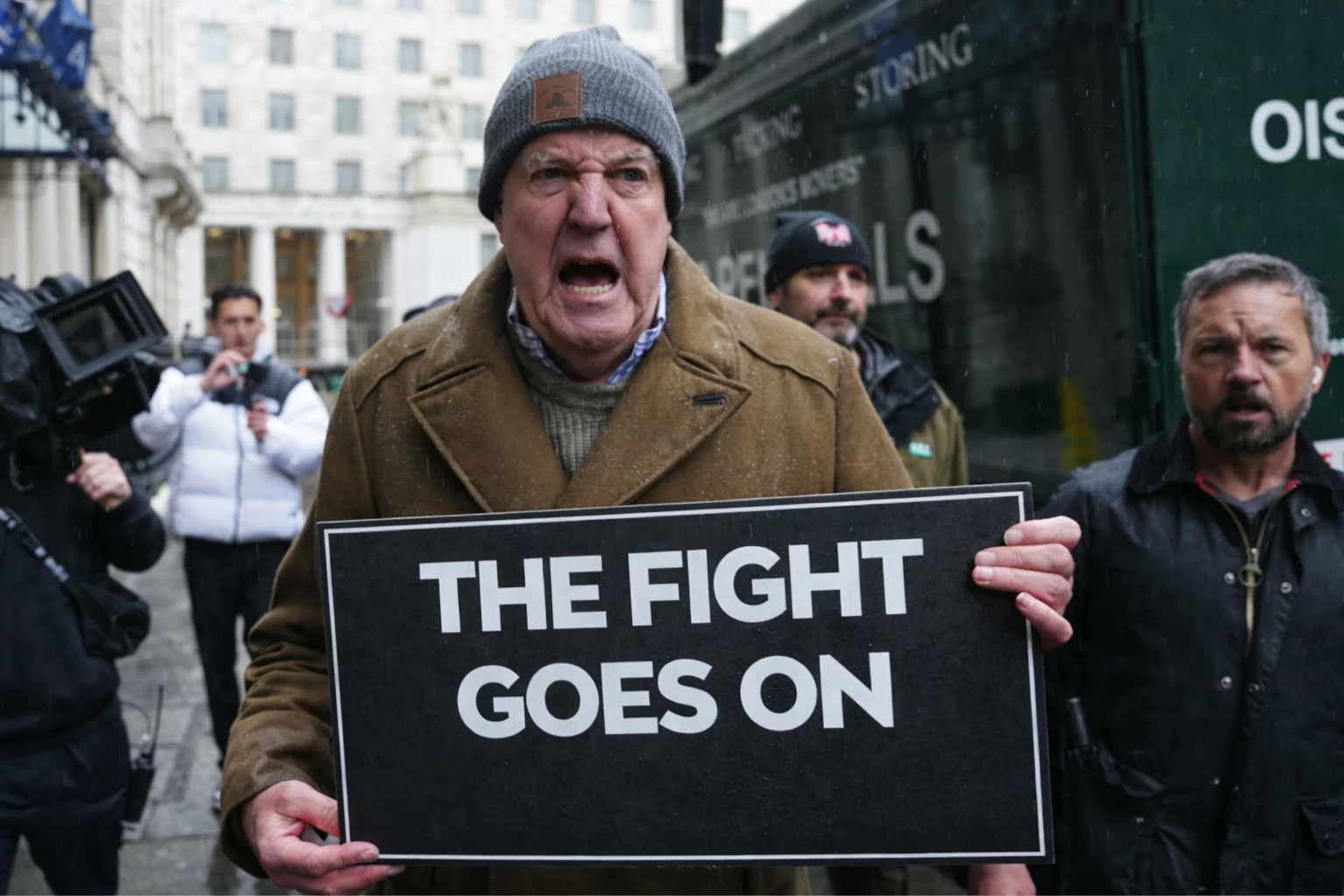
Jeremy Clarkson Says Farming Tax U-Turn Still Threatens the Countryside: “The Fight Goes On”
Jeremy Clarkson has broken his silence after the government announced a significant revision to its controversial inheritance tax proposals for farmers—welcoming the retreat, but warning that the countryside remains under serious threat.
Last week, ministers confirmed they would raise the inheritance tax threshold for agricultural assets from £1 million to £2.5 million, a move described by many as a major concession following months of protests from the farming community. The decision marks a clear step back from earlier Budget plans that would have imposed a 20 per cent levy on inherited agricultural property above £1 million from April 2026.
Announcing the change, Environment Secretary Emma Reynolds said the government had “listened closely to farmers across the country” and was acting to protect more family-run farms. Under the revised proposals, married couples and civil partners will be able to pass on up to £5 million in qualifying agricultural or business assets tax-free, on top of existing allowances.
Treasury officials say the move will halve the number of estates affected by the reforms and reduce projected annual revenue from £430 million to around £300 million. Only the largest farming operations are now expected to face the new levy.


Clarkson: “A Win—But a Dangerous One”
Writing in his latest newspaper column, Clarkson—who has spent the past year fiercely opposing the original proposals—acknowledged the change as progress, but insisted it does not go far enough.
“So, the Government has finally admitted that the family farm tax was muddle-headed nonsense and raised the threshold from £1 million to £2.5 million,” he wrote. “This has been described as a big win for farmers, and it is. But let’s not forget that half of all farms in the UK will still be hit.”
Clarkson warned that many family farms would still be forced to sell when owners die, with devastating consequences for rural Britain. “Who will buy them?” he asked. “Not another farmer. It’ll be City types and hedge funders—people who won’t know how to farm.”
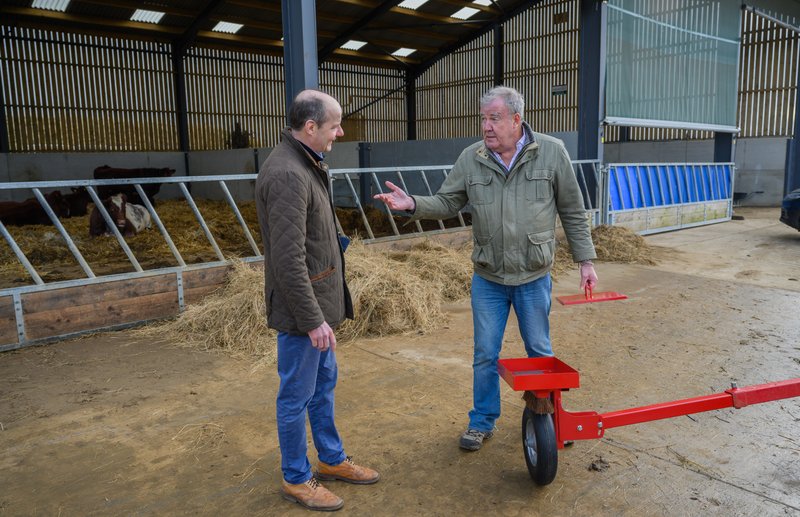
Drawing on his own experiences at Diddly Squat Farm, Clarkson argued that agriculture cannot simply be picked up later in life. “Farming’s hard,” he said. “Unless you start at the age of three, you won’t be able to do it very well. I know this from personal experience.”
Fears for Food Security and Family Farms
Beyond the immediate financial impact, Clarkson believes the policy still threatens the UK’s long-term ability to feed itself. He argued that breaking up family farms undermines generational knowledge that cannot easily be replaced.
“There are still thousands of farmers dealing with the stress of knowing they can’t pass their farm on to the only people who know how to run it—their children,” he wrote. “That alone is destroying morale across the countryside.”
Clarkson also questioned the economic logic of the tax altogether. “Why have it at all?” he asked. “Even the original plan would only have raised £500 million a year. Now it’s £300 million—which isn’t enough to fund the NHS for an afternoon.”
His conclusion was blunt: “A battle has been won. But the fight goes on.”
Political Reaction and Timing Row
The government’s announcement has also drawn criticism from the opposition, particularly over its timing. Conservative figures accused ministers of attempting to avoid scrutiny by releasing the details just days before Christmas.
Shadow Environment Secretary Victoria Atkins said the move “seems very odd” and suggested it was designed to slip through while Parliament and the public were distracted by the festive period. Speaking to Sky News, she said the timing meant MPs had not had a proper opportunity to examine the revised policy.
While the government insists the changes strike a fair balance between protecting family farms and maintaining tax revenue, Clarkson’s comments reflect a wider unease within the agricultural sector. For many farmers, the U-turn offers relief—but not reassurance.
As protests continue and uncertainty lingers, one thing is clear: despite the concessions, the debate over farming taxes and the future of the countryside is far from settled.