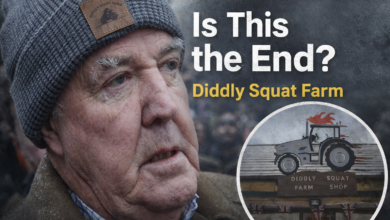
Thousands of Farmers Head to Clarkson’s Diddly Squat Farm for Massive Trade Show
Jeremy Clarkson’s Cotswold farm, Diddly Squat, is set to welcome thousands of farmers from across the UK, as one of the agriculture industry’s largest trade shows prepares to kick off. Known for its unique combination of working farm, visitor attraction, and media spotlight through Clarkson’s Farm, the property has become a hub for innovation, networking, and the celebration of modern British agriculture.
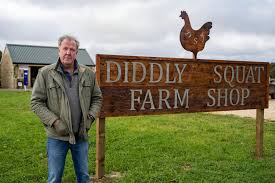
The event promises to be one of the most significant gatherings of the farming community in recent years. Exhibitors from machinery, feed, technology, and services sectors are scheduled to showcase their latest products and solutions. Attendees will gain hands-on experience with cutting-edge equipment, learn about sustainable practices, and explore strategies for improving farm efficiency and productivity. From autonomous tractors to eco-friendly fertilisers, Diddly Squat is expected to be alive with demonstrations, workshops, and presentations that highlight the evolving landscape of agriculture.
Clarkson himself has expressed enthusiasm about hosting the show. While widely recognized for his entertaining antics on television, he has consistently demonstrated a deep understanding of the pressures and challenges farmers face today. Hosting the trade show on his farm provides a practical platform to bring these issues to light, offering both entertainment and education. It is also an opportunity to show support for rural communities, which Clarkson has championed throughout the series.
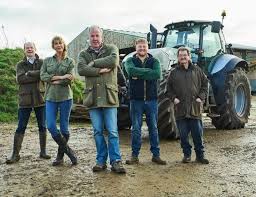
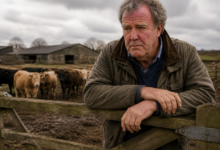

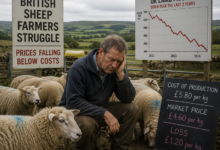
The influx of visitors is expected to bring a significant economic boost to the local area. Hotels, restaurants, and other businesses in the Cotswolds are preparing for increased foot traffic, while the trade show itself highlights the potential for knowledge exchange and collaboration among farmers. Clarkson’s Diddly Squat has become a symbol of modern agricultural ambition, blending traditional farming practices with contemporary technology and innovative approaches.
Security and logistics are being meticulously planned to accommodate the thousands of attendees. From parking and access to event safety measures, organizers aim to ensure that the massive turnout is managed efficiently. Public transport options, shuttle services, and designated areas for demonstrations will allow visitors to navigate the farm safely while participating in the trade show.
The trade show also comes at a critical time for British agriculture. Farmers continue to navigate economic challenges, regulatory pressures, and the uncertainties brought about by climate change. Events like the one at Diddly Squat provide a platform for knowledge sharing, advocacy, and community building. Attendees can exchange insights on sustainable farming, new crop varieties, precision agriculture, and innovative livestock management, helping the sector adapt and thrive in a rapidly changing environment.
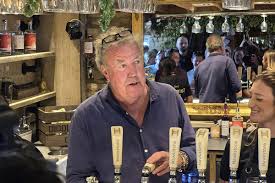
Clarkson’s Farm has long been recognized for bringing attention to the realities of modern farming, and the trade show amplifies this mission. By combining educational initiatives with hands-on experiences and networking opportunities, the event promises to be both informative and inspiring. Farmers attending can gain new perspectives, make valuable connections, and take home actionable strategies to implement on their own farms.
From young farmers eager to learn new techniques to seasoned professionals looking to explore the latest industry developments, the Diddly Squat trade show caters to a wide range of participants. It serves as a reminder of the importance of supporting British agriculture, investing in innovation, and celebrating the resilience and dedication of farmers across the country.
In short, the event at Clarkson’s farm is more than a trade show—it is a showcase of the British farming spirit. With thousands of attendees, cutting-edge technology, and an environment that encourages learning and collaboration, the Diddly Squat farm is once again at the center of the conversation about the future of agriculture in the United Kingdom.