British Sheep Farmers Struggle as Market Prices Fall Below Costs
A sheep farmer in Wales recently took 200 lambs to market, expecting a fair return for his hard work, only to be confronted with harsh economic reality. Selling each lamb for £85, he quickly realized that it cost £100 to raise each one, resulting in a £15 loss per animal. With 200 lambs, this translated into a staggering £3,000 deficit. Despite the losses, he sold them anyway, knowing that keeping the animals longer would have only increased costs for feed, labour, and veterinary care.
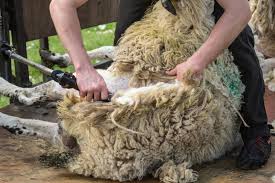
This individual case reflects a broader struggle across Britain, where sheep farmers are facing rising input costs while market prices fail to keep pace. Winter feed was expensive, spring conditions were dry, and a mild summer has not alleviated the pressure. The price of lamb at market is falling, yet supermarket consumers often pay £8 per pack of lamb chops. The farmer, however, receives less than £1 from that sale, with the remainder absorbed by auctioneers, abattoirs, distributors, supermarkets, and shareholders. The smallest slice, ironically, goes to those performing the hardest work: walking hills in the rain, checking ewes at midnight, and carrying weak lambs across long distances.
The disparity between production costs and market returns poses a severe threat to the sustainability of British lamb farming. Government policies often praise domestic agriculture, but when farmers lose money on every animal, future generations are less likely to take up the trade. Experienced farmers may retire, and young people might be discouraged from entering a profession that requires physical endurance, long hours, and yet provides meager financial reward.
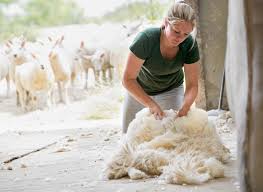



Beyond economics, the situation has social and cultural implications. Rural communities rely on sheep farming not only for income but also for the maintenance of landscapes, biodiversity, and heritage breeds. If farmers are forced out, the traditional British countryside could change dramatically, with repercussions for local economies, tourism, and food security.
Experts warn that without intervention, the British lamb industry could face a steep decline. Subsidies, fairer pricing structures, or policies supporting small and medium farms could help prevent widespread closures. Consumers, too, can play a role by choosing locally produced lamb and supporting farmers who ensure ethical and sustainable practices.
The plight of the Welsh sheep farmer is emblematic of the challenges faced nationwide: rising costs, falling market returns, and an economic model that prioritizes profits for intermediaries over the producers themselves. How long British lamb can survive under such pressures remains uncertain, but immediate action and public awareness are critical if this cornerstone of UK agriculture is to endure for future generations.