Three Ancient Discoveries That Shook the Oak Island Team to Its Core.

Three Ancient Discoveries That Shook the Oak Island Team to Its Core
The Lagina crew uncovers groundbreaking evidence suggesting Oak Island’s mystery is far deeper—and far older—than anyone imagined.
1. The Enigmatic Well on Lot 26
The discovery of a centuries-old man-made well on Lot 26 has sent shockwaves through the Oak Island investigation. This structure, unearthed just 100 feet from the supposed 16th-century stone wall, has revealed secrets that could change the entire historical narrative of the island.
Core samples and water testing indicate that the well may have never frozen—even during the harshest winter months—pointing to a unique construction or underground feature. Even more astonishingly, carbon dating of organic materials from the well revealed a twig dated between 1028 and 1172, potentially making it the oldest structure ever discovered on Oak Island.
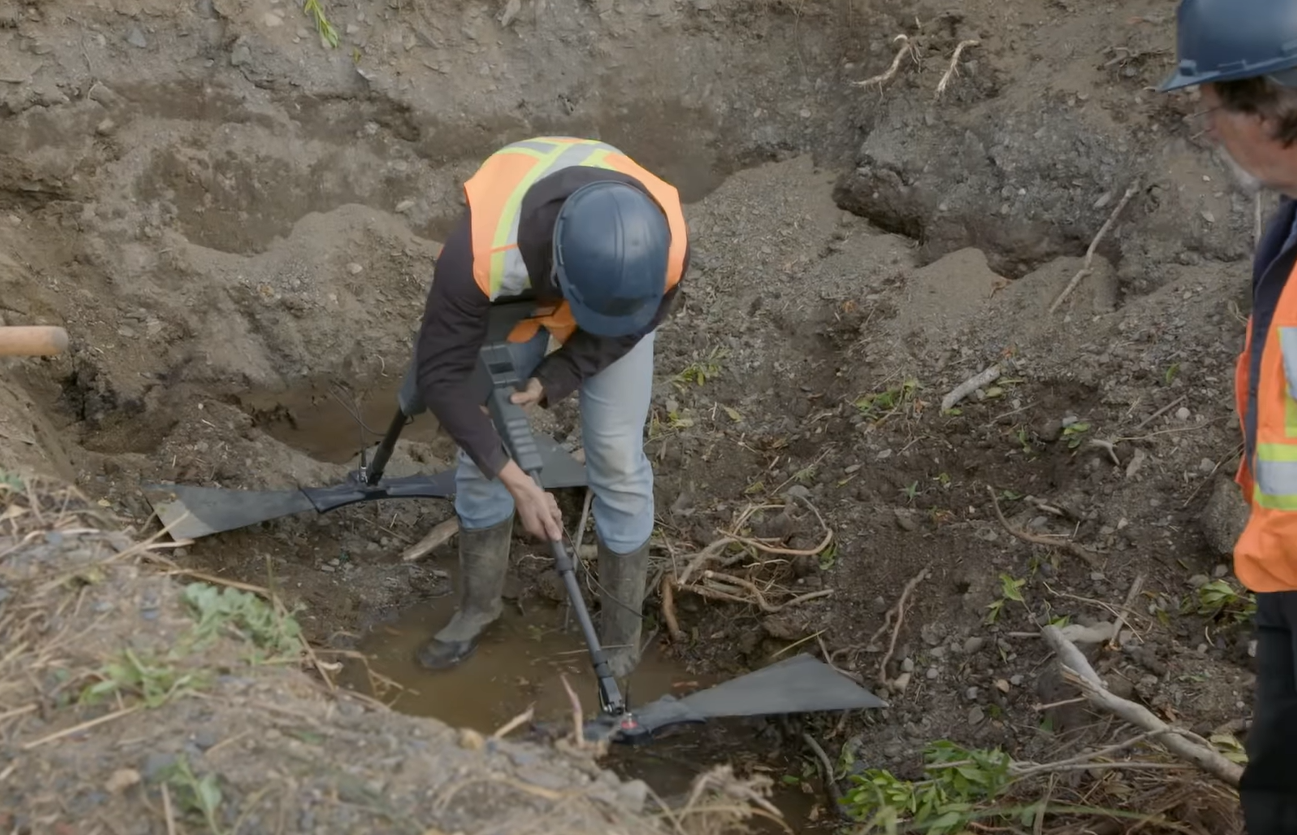
This ancient timeline predates even the most optimistic theories of early exploration, pushing the mystery further back in history. The discovery has reignited the crew’s determination, hinting that Lot 26 might be a key location in unlocking Oak Island’s centuries-old puzzle.



2. The Circular Stone Depression on Lot 5
Another discovery drawing major attention is a perfectly circular stone depression on Lot 5, a plot of land formerly owned by legendary treasure hunter Robert Young. This feature, believed by some to resemble a burn cellar, is architecturally unique, unlike anything else found in Nova Scotia.
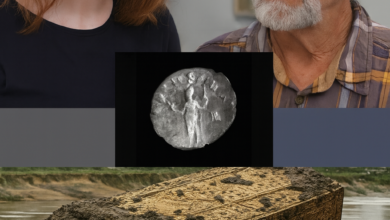
Its 13-foot diameter mirrors the original description of the Money Pit from 1795, where a similar circular depression was first recorded. Adding to the intrigue, Lot 5 has also produced a treasure trove of artifacts, including a 2,000-year-old Roman coin, a lead barter token, and foundations potentially dating back to the 1730s.
Even more tantalizing is the possibility of deeper, older structures beneath the surface. Some researchers believe they may uncover artifacts dating back to the 700s, further linking Oak Island to ancient civilizations and possibly the Knights Templar, as indicated by a 14th-century map sent to the team by the late researcher Zena Halpern.
3. The Garden Shaft: A Portal to the Past?
The final and perhaps most dramatic discovery revolves around the Garden Shaft, a 10×10 vertical structure located in the Money Pit area. Originally preserved as a memorial, this shaft gained renewed importance after scientists tested its water and wooden materials.
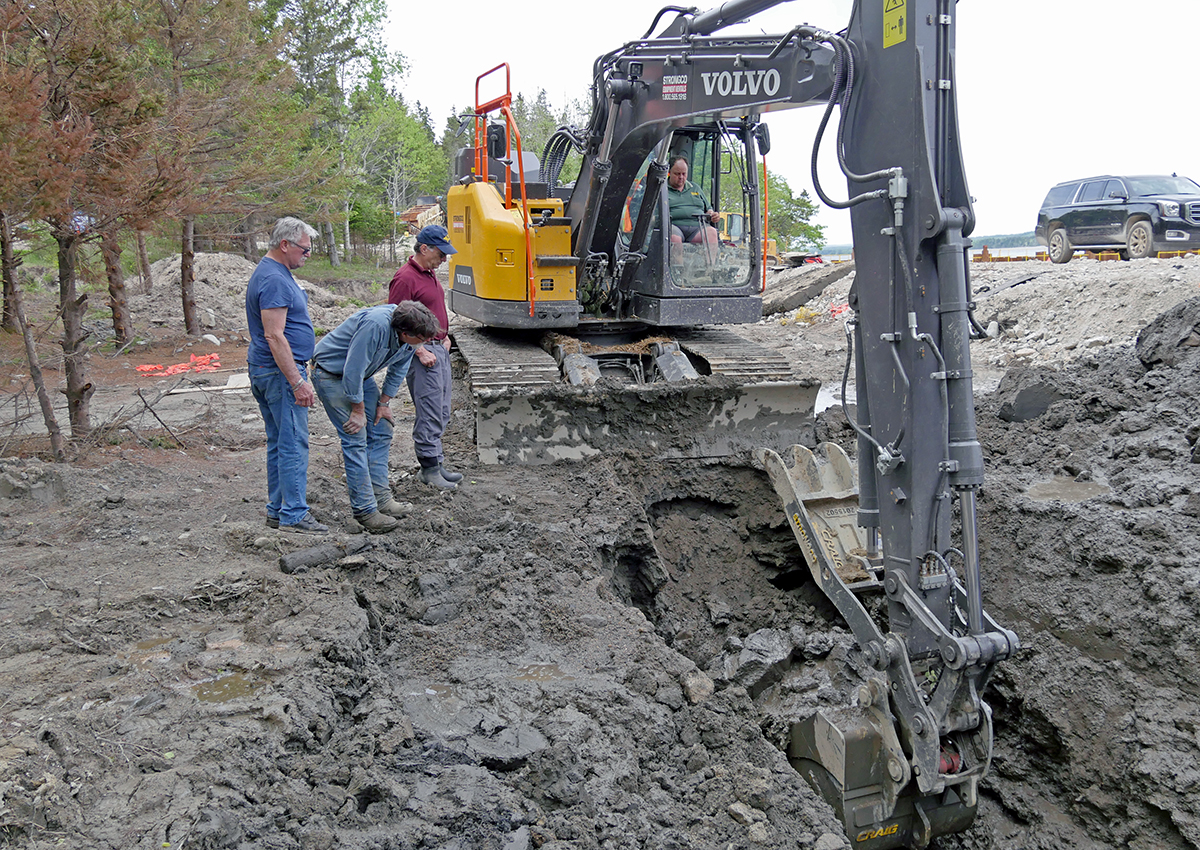
The results were astounding: gold particles were found in water samples, and carbon dating of a wood fragment revealed the shaft was constructed over 50 years before the Money Pit was officially discovered in 1795.
These findings led the team to dig deeper—literally. They hired Dumas Contracting Limited, a professional mining company, to stabilize and excavate the shaft. Though extreme winter weather forced a pause in operations, drilling uncovered a 95-foot-long adjacent tunnel, where water samples showed the highest concentrations of gold found to date.
The team now believes the Garden Shaft may be directly connected to the legendary treasure vault hidden beneath Oak Island.
A New Chapter in the Oak Island Saga
Together, these three discoveries—the ancient well, the stone circle, and the gold-laced shaft—have redefined what is known about Oak Island. With structures dating back nearly a millennium, artifacts from ancient civilizations, and potential ties to the Knights Templar, the island continues to mystify and inspire.
As the crew presses on, driven by new leads and reinvigorated by the depth of these findings, one question remains at the heart of their search:
Could the greatest unsolved treasure mystery in history finally be nearing its resolution?