Season 13 Under Review: Every Major Oak Island Discovery Revisited and Re-Evaluated
Oak Island’s Heat Map Points to Lot 15 as a New Focus for Discovery
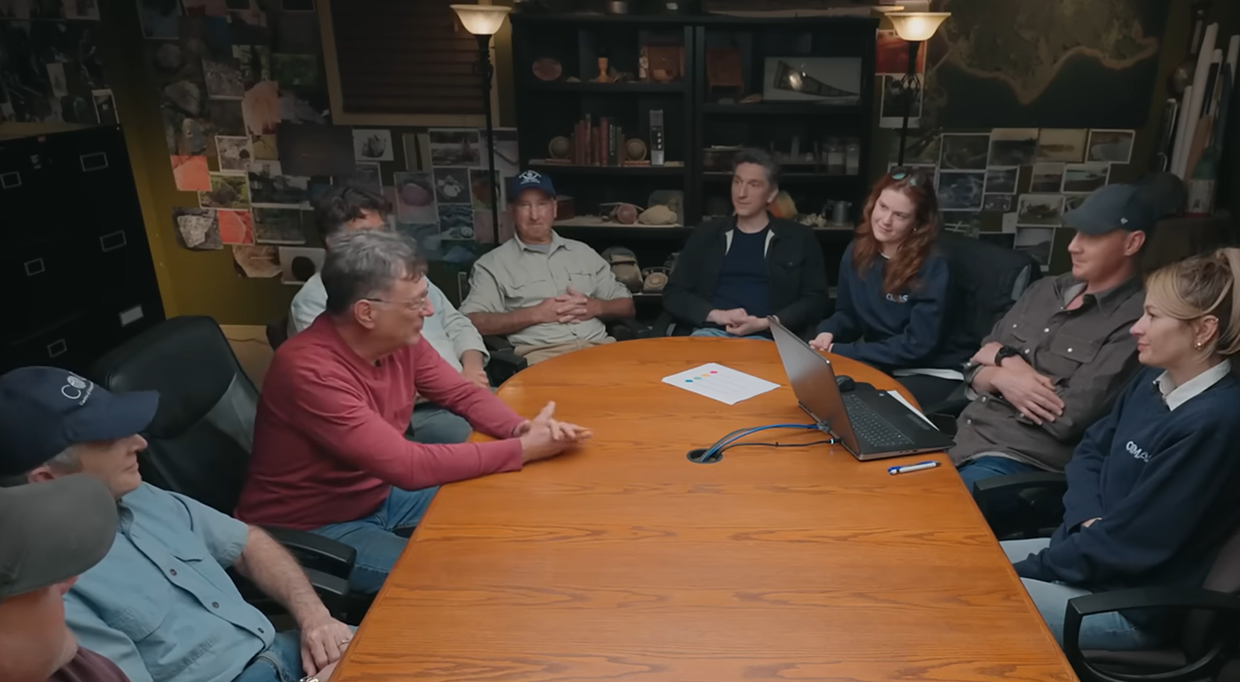
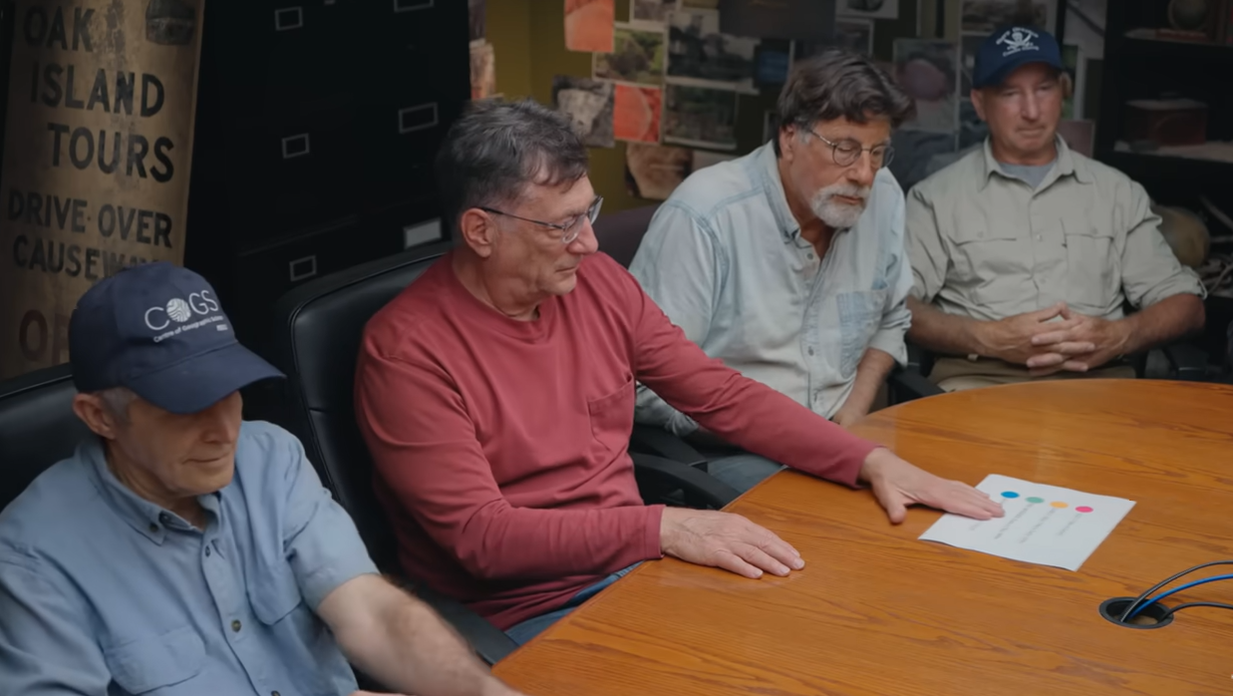
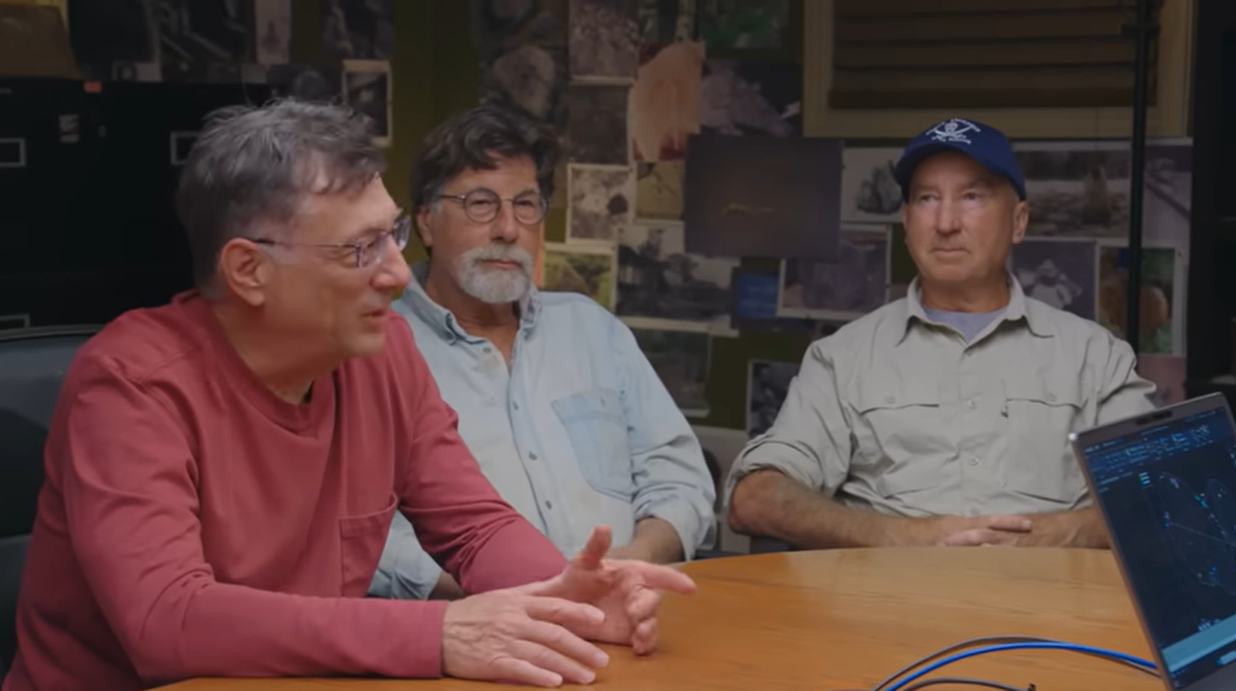
In a decisive meeting inside the Oak Island war room, Rick and Marty Lagina, Craig Tester, and their team turned to data rather than instinct. Their objective was simple but ambitious: to understand where the island’s oldest activity may have taken place. To do that, Steve Guptill, working alongside Emma Culligan and Jillian, unveiled a detailed heat map compiling every significant artifact found across Oak Island over decades of exploration.
The map did not merely plot locations. It ranked artifacts by age, using a color-coded system designed to distinguish between early searcher activity and much older, potentially original deposition. Pink marked items dated to 1725 or earlier, blue represented the 1800s to modern searcher material, while orange and green filled in the mid-18th century range. The result was a visual summary of Oak Island’s long and complex history.  Two areas immediately stood out: the familiar Money Pit and Lot 5, where archaeological work has already yielded promising results. However, attention quickly shifted to another location. On the northwestern side of the island, approximately 200 yards from the Money Pit, Lot 15 showed an unexpected concentration of older artifacts. Even among the orange and pink markers, some finds suggested activity reaching back well before the mid-1700s.
Lot 15 is no stranger to intriguing discoveries. Previous work there uncovered burned charcoal that may date to the 14th century, a Chinese coin believed to be more than a thousand years old, and a pre-17th-century cannon stoneshot traced to the Azores Islands of Portugal. Seen individually, each find raised questions. Seen together on the heat map, they told a more compelling story.



“This suggests there’s a lot more work to do there,” Rick Lagina said, as the team agreed it was time to shift resources. With that decision made, metal detection specialist Gary Drayton was brought in to begin a fresh search.
Before the team arrived on site, Billy Gerhardt prepared the ground using a two-and-a-half-ton tractor fitted with a three-bottom plow. The technique, borrowed from British farmland practices, is designed to bring older material closer to the surface, improving the chances of detection.
The strategy paid off almost immediately. Among the first discoveries was a piece of coal lying near the surface. Its presence raised eyebrows, as coal is not naturally found in that area of the island. Similar material had previously been uncovered along the Portuguese stone road in the swamp, suggesting a possible connection between distant parts of Oak Island.
Soon after, Gary’s metal detector signaled another promising target. Unearthed from the soil was what appeared to be a rosehead spike, a hand-forged iron fastener first produced in Europe in the 16th century and commonly used until the late 1700s. Similar spikes have been recovered both near the surface and deep within the Money Pit, all dating to before 1750.
For the team, the implication was clear. The presence of a rosehead spike on Lot 15 strengthened the idea that activity there may be linked to the same early period associated with the Money Pit.
The finds continued. Another signal revealed a pintle, a metal hinge component typically used for gates or doors. Gary noted it could also have served as a hanger for lanterns, particularly in underground shafts where light would have been essential.
By the end of the day, Lot 15 no longer looked like a secondary site. With multiple artifacts pointing to early, organized activity, the area emerged as a serious candidate for further investigation.
As Rick Lagina reflected, the growing body of evidence suggests the island’s mystery cannot be confined to a single location. Oak Island, it seems, may hold its answers spread across the landscape—and Lot 15 is now firmly at the center of that expanding picture.