Oak Island Team Unearths Ancient Coin – History May Never Be the Same.

Ancient Coin Discovery on Oak Island Could Rewrite History
OAK ISLAND, Nova Scotia — Oak Island has long been a magnet for mystery, treasure hunters, and speculation about what lies beneath its soil. But one discovery in Lot 5 could alter not just the story of this fabled island, but the history of transatlantic exploration itself.
A Coin That Shouldn’t Exist
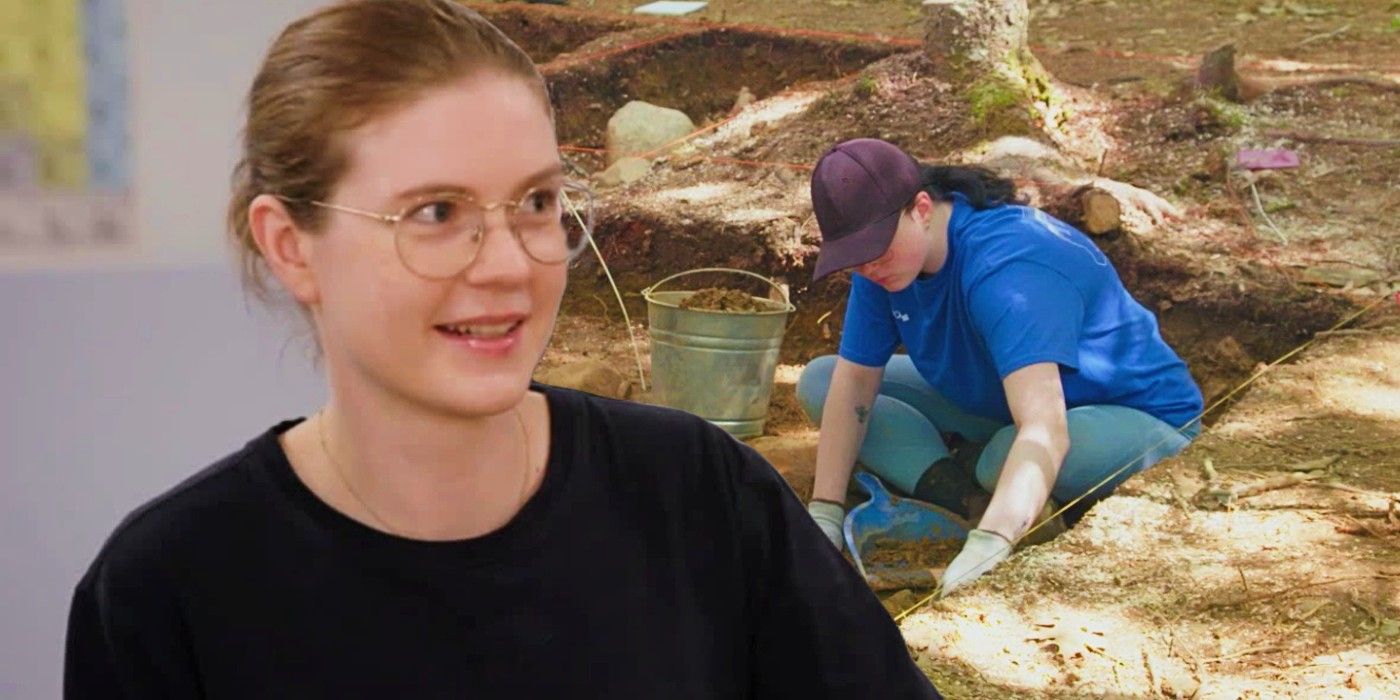
During Season 12 of The Curse of Oak Island, researcher and scientist Emma Culligan uncovered a small artifact that may carry enormous implications: an ancient coin that laboratory tests suggest could date back to Roman times.
At first glance, the object appeared to be just another weathered coin among many unearthed on the island over the decades. Yet when Culligan subjected it to X-ray diffraction (XRD) scanning, the results startled both the crew and viewers. The metal composition revealed 70% copper and 16% lead, with a thin outer layer measuring 99.96% pure lead — a mix inconsistent with modern coinage. Instead, it suggested origins dating as far back as the 3rd century A.D.
If confirmed, this coin could serve as physical evidence that ancient travelers — possibly Romans — reached North America more than a thousand years before the voyages of Columbus.
From Lab Tests to Big Questions
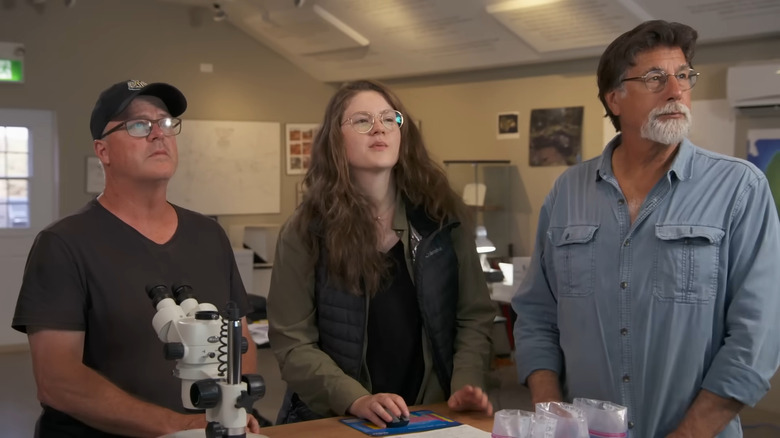
Culligan’s calm and methodical approach set her apart from the excitement often surrounding discoveries on Oak Island. Trained at Memorial University, she brings scientific rigor to the hunt, employing advanced scanning and compositional analysis.


Her findings were clear: the coin is not modern, not a reproduction, and potentially authentic to a time between 200 and 300 A.D. That raises the central question: How could a Roman coin end up buried on a small island off the coast of Nova Scotia?
For historians, the implications are staggering. Conventional history holds that Romans never crossed the Atlantic. If this coin proves genuine, it could mean ancient explorers reached the shores of North America far earlier than anyone believed.
More Than Treasure
The find has already redefined Lot 5, once considered an unremarkable patch of ground. Suddenly, it has become a hotbed of activity and speculation. If one Roman artifact lies buried there, could others follow? Tools, clothing, maps, or navigational instruments might still rest beneath the soil, waiting to be uncovered.
Culligan’s discovery is not only about treasure. It is about context. Each artifact she examines provides scientific data that helps the team understand when, where, and why items ended up on Oak Island. Her analyses transform speculation into plausible history, making her a cornerstone of the current research effort.
The Bigger Puzzle
This coin is not the first artifact to suggest deep European ties to Oak Island. A lead cross found earlier on Smith’s Cove was traced to mines in southern France, possibly linking the site to the Knights Templar. Now, with Culligan’s coin potentially tied to Roman antiquity, the range of theories has expanded dramatically.
Was Oak Island a hidden outpost for early travelers? Could it have been a landing site for explorers carrying wealth, secrets, or sacred objects? The evidence is beginning to stack up, and fans of the show are watching closely.
The Scientist at the Center
Unlike many of her colleagues, Culligan doesn’t lean on folklore or speculation. Instead, she brings technology and precision to the forefront. She studies scratches on artifacts to determine what tools made them, breaks down alloys to trace their origin, and compares samples to centuries-old mining records.
Her role has quickly made her a fan favorite. Online discussions often highlight her as the “voice of reason” on the island, someone who grounds the search with facts rather than fantasy. As one viewer noted: “Others dig, but she decodes.”

A Mystery Far From Over
The Oak Island mystery has always thrived on half-answers and tantalizing clues. But Culligan’s coin may be the most significant find yet — one that could demand historians revisit what they know about early contact with North America.
Whether the coin ultimately proves to be Roman or another ancient artifact, its discovery has already reshaped the season and reignited global fascination with Oak Island.
For now, the island keeps its secrets. But thanks to science-driven discoveries like this, those secrets may not stay buried forever.