Oak Island: The Discoveries That Deepened the Island’s Greatest Mystery
Season 11 of The Curse of Oak Island has delivered some of the most intriguing discoveries in the show’s long history, adding new layers to a mystery that has endured for more than two centuries. From unexpected pottery finds to ancient coins and submerged artifacts, each revelation has raised fresh questions about who was on Oak Island long before recorded settlement—and why.
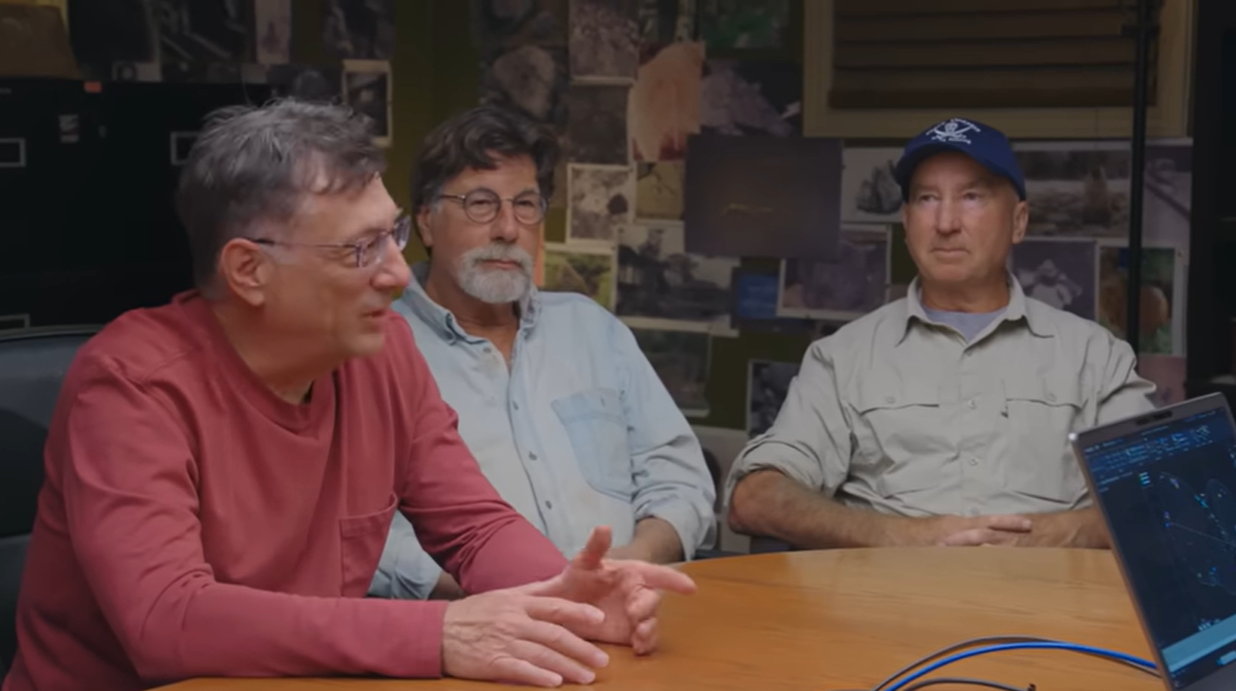
Led by brothers Rick Lagina and Marty Lagina, the team entered Season 11 with a renewed scientific focus, bringing together archaeologists, historians, and specialists to re-examine key areas of the island. One location, in particular, quickly emerged as a focal point: Lot 5.
Unusual Red Earthenware on Lot 5
Early in the season, archaeologists investigating a circular depression on Lot 5 uncovered fragments of red earthenware pottery, commonly known as redware. While redware itself is not uncommon in North America, the piece found here stood out. Its distinctive purple and black glaze immediately caught the attention of archaeologist Laird Niven, who noted that the finish appeared unusual for typical colonial-era pottery.




Redware was widely produced and used across Europe and North America during the 17th and 18th centuries, but the specific glaze and context of this fragment suggested something more complex. The find raised the possibility that the depression on Lot 5 may be linked to a structure predating the island’s formal land division in the 1760s, hinting at organized activity far earlier than previously confirmed.
A Mysterious Metal Object
Following the pottery discovery, the team expanded their search using metal detectors and soon located a heavy metal object buried nearby. Roughly the size of a modern smartphone and encased in hardened soil, the artifact initially sparked speculation that it could be part of a latch or door mechanism—perhaps connected to a concealed structure.
After being transported to the interpretive centre, the object was examined by Emma Culligan, who conducted a CT scan to reveal its true form beneath the corrosion. The imaging suggested the object was a river spike, a type of iron fastener commonly used in construction. Crucially, its low manganese content indicated it was manufactured before the 1840s.

Even more intriguing, comparisons showed the spike closely resembled artifacts associated with the birthplace of Sir William Phips, a historical figure often linked to early treasure theories connected to Oak Island. While not definitive proof, the similarity added weight to long-standing questions about early transatlantic activity.
Submerged Artifacts Beneath the Water
Elsewhere, underwater investigations uncovered a surprising collection of items resting on the seabed. Among them were fragments of a clay sailor’s pipe, a hand-carved wooden plank approximately one foot long, pottery decorated with blue designs, and what appeared to be a coin. Some of these items bore similarities to artifacts previously recovered on land, prompting debate over whether they originated from a nearby shipwreck or from early settlers who lived alongside the island’s hidden works.
The variety of materials suggested repeated human presence and activity, rather than a single isolated event.
Ancient Coins From Different Eras

Perhaps the most striking discoveries of Season 11 came in the form of coins. Metal-detecting expert Gary Drayton, working alongside Marty Lagina, recovered multiple coins from different time periods. One fragment was dated by numismatist Sandy Campbell to between 100 and 300 AD, while another coin—bearing the portrait of an unidentified figure—was estimated to be more than 2,000 years old.
If confirmed, these coins would represent some of the oldest currency ever found on Oak Island, dramatically expanding the timeline of potential visitors to the island.
A Season That Changed the Conversation
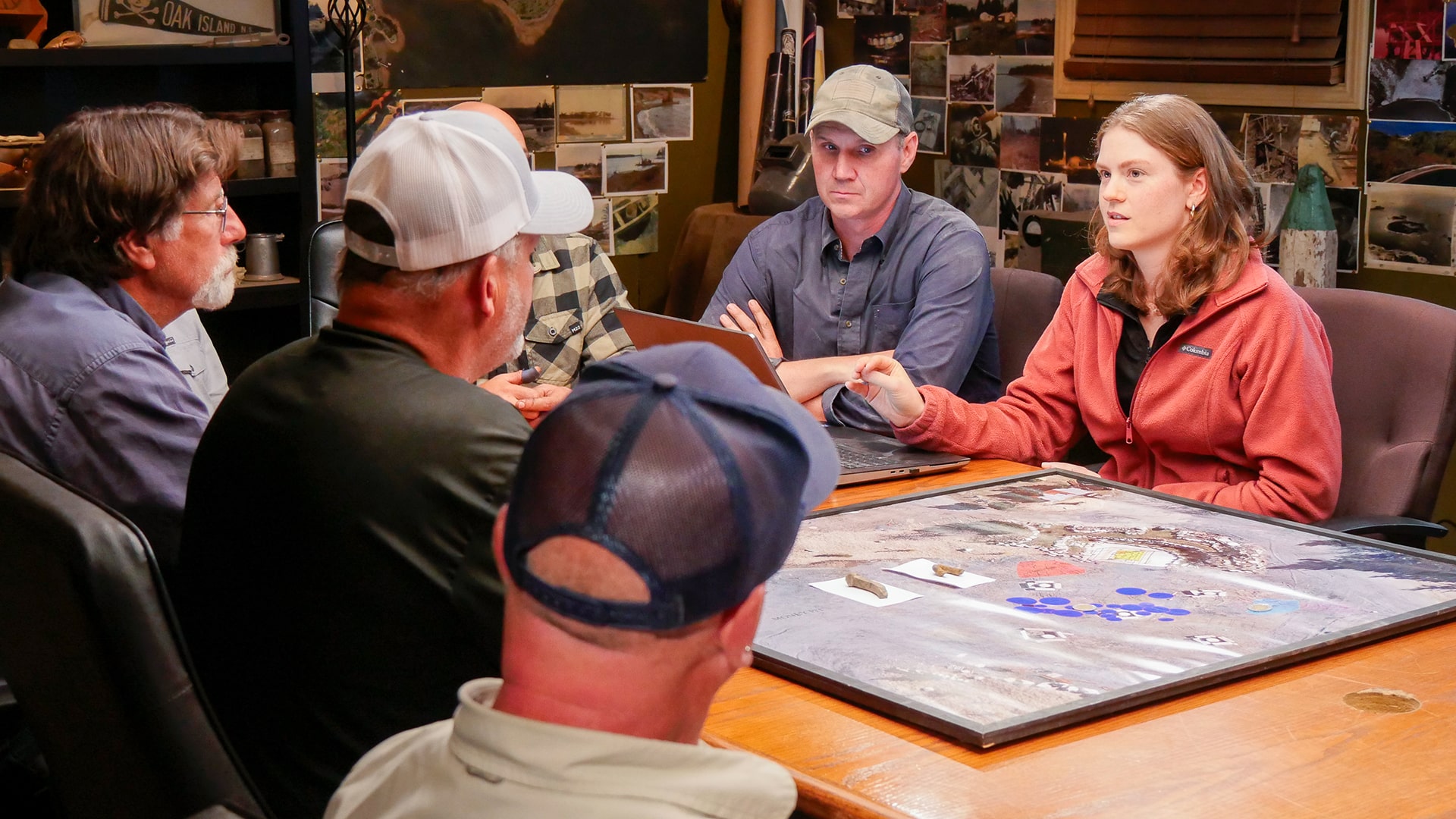
Taken together, the discoveries of Season 11 have not solved the Oak Island mystery—but they have reshaped it. The evidence increasingly suggests that the island was not visited by a single group at one moment in history, but may have been used repeatedly across centuries. Each artifact adds context, depth, and complexity to a story that continues to challenge conventional timelines.
As the team presses forward, Season 11 stands as a reminder that Oak Island’s true significance may lie not in a single treasure, but in the long and layered history hidden beneath its soil.