Did Samuel Ball Find the Oak Island Treasure? The Truth Behind a Persistent Mystery
The legend of Oak Island has produced countless theories over the years, ranging from hidden pirate loot to elaborate Templar concealments and buried colonial-era secrets. Among the many historical figures linked to the island’s mystery, Samuel Ball—a freed slave who became a landowner in the late 18th century—remains one of the most frequently discussed names. The central question often asked is whether Ball may have discovered the elusive Oak Island treasure. However, despite decades of speculation, there is no concrete evidence to support this claim.
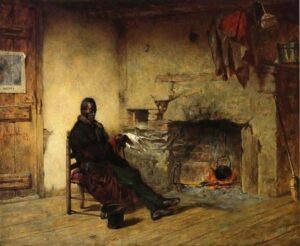
Historical records show that Samuel Ball acquired land on Oak Island and eventually became a relatively successful farmer. His rise in status and accumulation of property have fueled curiosity, especially among those searching for connections between his wealth and the island’s rumored hidden riches. Because Oak Island has long been associated with unexplained underground structures and treasure theories, Ball’s financial improvement has often been interpreted by some as suspicious or potentially linked to a discovery.
However, documented history paints a far more practical explanation. Most credible accounts suggest that Samuel Ball’s wealth came from agriculture, land use, and trade rather than any buried treasure. At the time, farming on fertile land—even in challenging coastal environments—could provide stable income and opportunities for expansion. Ball is believed to have successfully cultivated his land and engaged in local commerce, which would have allowed him to steadily build his wealth over time.
Despite this, the absence of definitive archaeological evidence has left room for speculation. Oak Island’s reputation as a site of mystery naturally encourages alternative interpretations, and Ball’s presence on the island during a period of early settlement makes him a convenient figure for linking historical fact with legend. Over the years, various theories have suggested that he may have stumbled upon a portion of the alleged treasure and quietly benefited from it. Yet none of these theories have been supported by physical artifacts, documented transactions, or firsthand historical accounts.

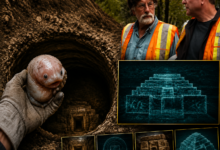

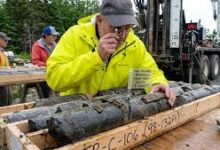

One of the challenges in separating fact from folklore in the Oak Island narrative is the limited and often incomplete historical record. Much of what is known about early inhabitants comes from fragmented documentation, secondary accounts, and later interpretations influenced by the treasure myth itself. As a result, figures like Samuel Ball are often placed into speculative frameworks that extend beyond what is verifiable.
Archaeological investigations conducted on Oak Island have uncovered a range of materials, including wooden structures, metal objects, and evidence of human activity across different periods. However, none of these discoveries have been directly linked to Samuel Ball or to any confirmed treasure cache. Instead, they reflect a complex history of land use, construction, and repeated excavation efforts spanning centuries.
Historians generally caution against conflating economic success with hidden discoveries. In Ball’s case, his rise as a landowner can be reasonably explained within the context of post-colonial settlement patterns and agricultural development. While it is tempting to connect his story to the broader mystery of Oak Island, there is currently no verifiable basis for doing so.
Still, the association between Samuel Ball and the Oak Island treasure persists because it fits neatly into the island’s broader mythology. Oak Island has long thrived on unanswered questions, and every historical figure connected to it becomes part of a larger narrative that blends fact with imagination.

In conclusion, while Samuel Ball remains an intriguing figure in Oak Island history, there is no evidence that he discovered or possessed the legendary treasure. His wealth is best understood through documented agricultural success rather than hidden riches. As with many aspects of Oak Island, the story of Samuel Ball sits at the intersection of history and legend—where speculation continues to flourish, even in the absence of proof.