Ancient Lines and Hidden Metals: Why Oak Island Season 13 Episode 7 Could Change Everything.

As The Curse of Oak Island reaches Episode 7 of its thirteenth season, the long-running series appears poised to enter one of its most compelling phases yet. Titled “Walk the Line,” the episode, airing on December 16, 2025, hints at a rare convergence of archaeology, metallurgy and historical possibility—an alignment that has long eluded the team despite more than a decade of investigation.
For a show built on patience and the gradual accumulation of evidence, Episode 7 is shaping up to feel like a turning point, one where long-standing theories may finally intersect with physical proof.
A Marker Stone That Raises New Questions
At the centre of the episode is what the team believes may be an ancient marker stone, a feature that immediately resonates with Oak Island’s long-established lore. Over the years, stones have repeatedly appeared in discussions as potential boundary markers, navigational guides or intentional signals pointing toward buried significance.
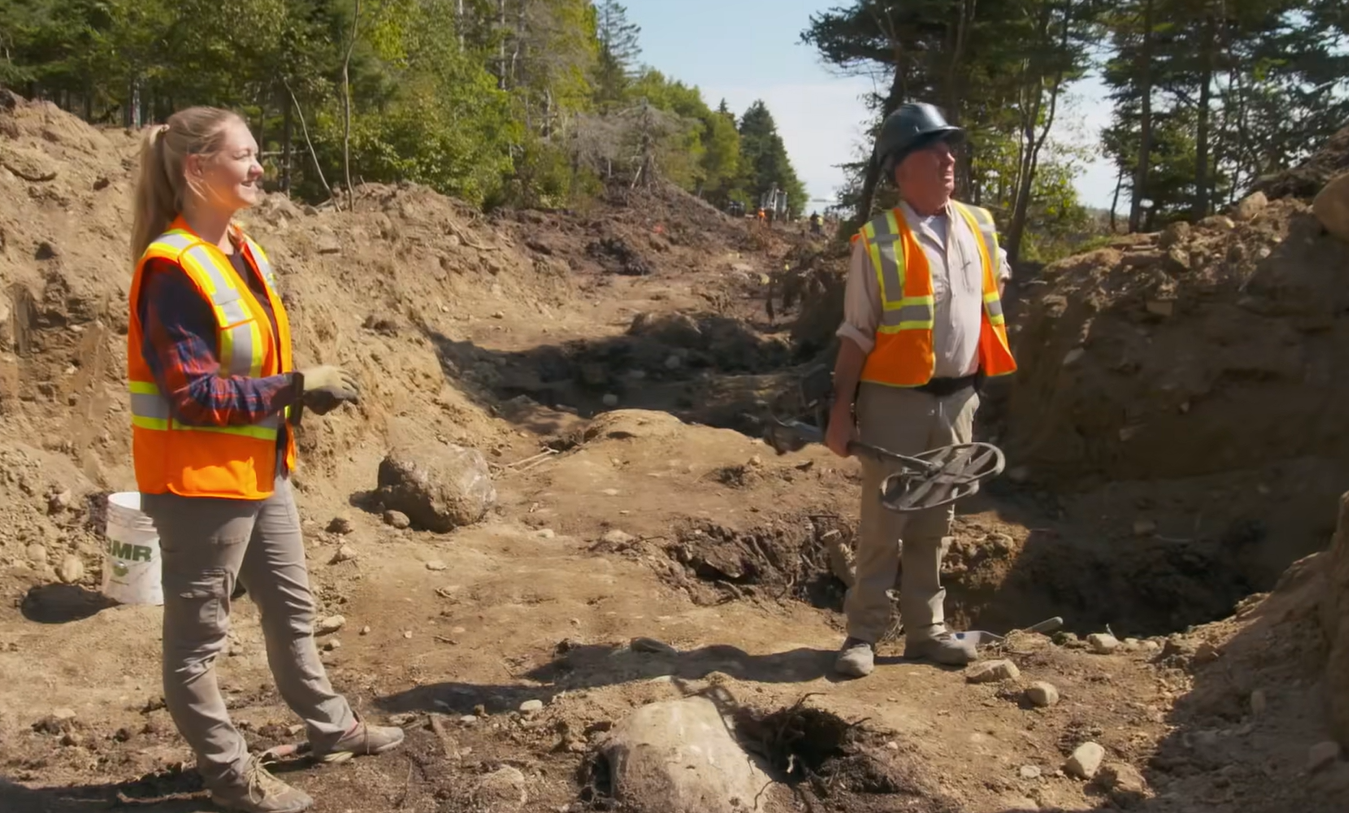



What sets this discovery apart is the suggestion that the stone’s formation resembles designs commonly associated with Roman or Viking cultures. If supported by evidence, even partially, such a connection would force a reassessment of Oak Island’s historical timeline and its place within broader narratives of early exploration.
Roman Precision or Viking Navigation?
The idea of pre-Columbian European activity in North America has long been debated. Viking presence has firmer archaeological footing, thanks to the confirmed site at L’Anse aux Meadows in Newfoundland. Roman activity, by contrast, remains largely theoretical in transatlantic contexts.
Episode 7 appears ready to revisit both possibilities, not through coincidence or loose parallels, but through structural and stylistic analysis. Romans were renowned for precise engineering and boundary markers, while Vikings relied on stones for navigation, memorials and territorial claims. If the Oak Island stone displays measurable similarities—such as tool marks, proportions or alignment methods—the implications could be far-reaching.
“That Is What We’re Looking For”
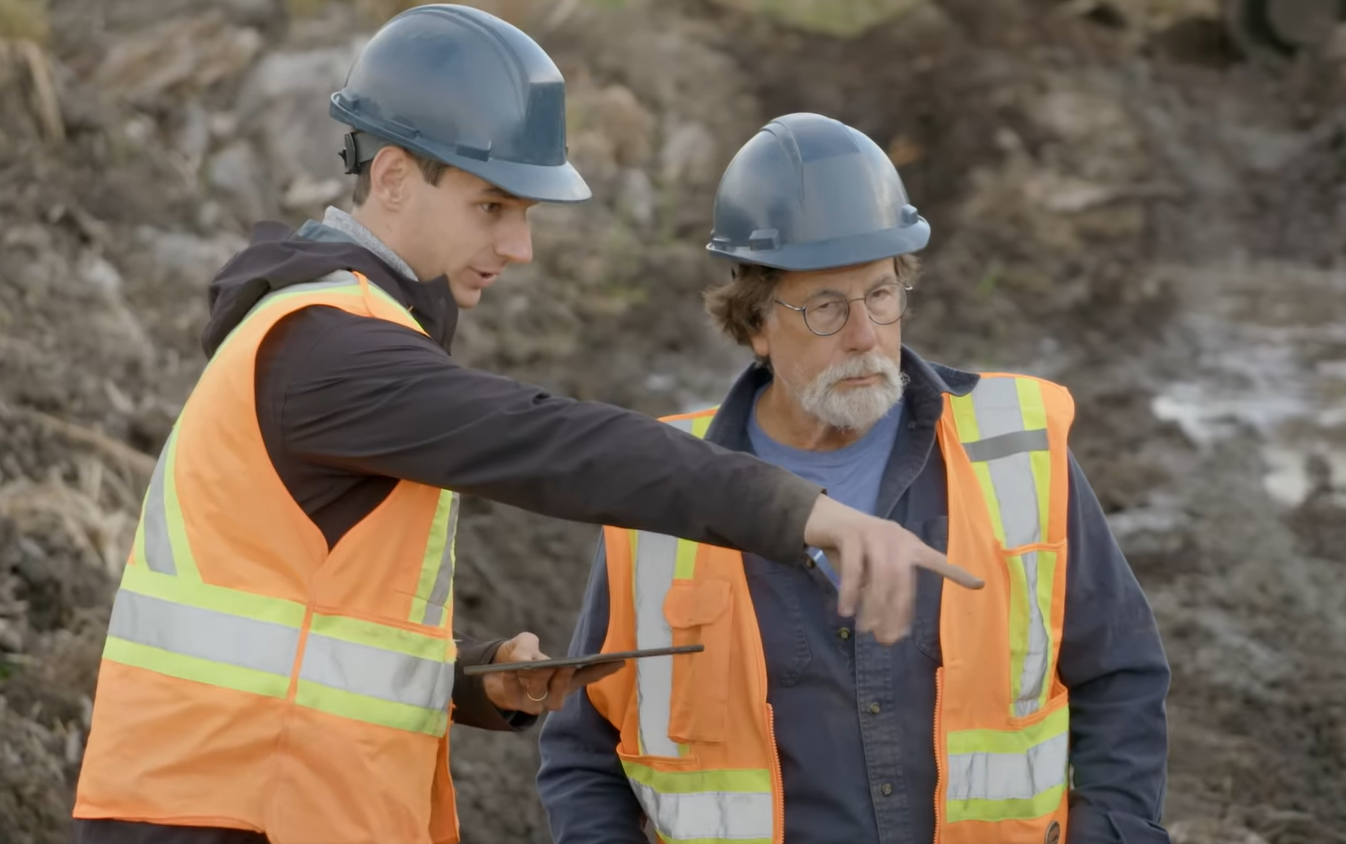
One of the most striking moments teased in promotional material is the declaration, “That is what we’re looking for.” For long-time viewers, this phrase carries weight. It suggests the team may have encountered something they have actively theorised about for years rather than another unexplained anomaly.
Led by brothers Rick and Marty Lagina, the Oak Island team has developed a complex framework of hypotheses involving intentional design, ancient engineering and layered construction. When a find aligns with those ideas, it often validates years of groundwork and refines the direction of the search.
A Metallic Signal Changes the Equation
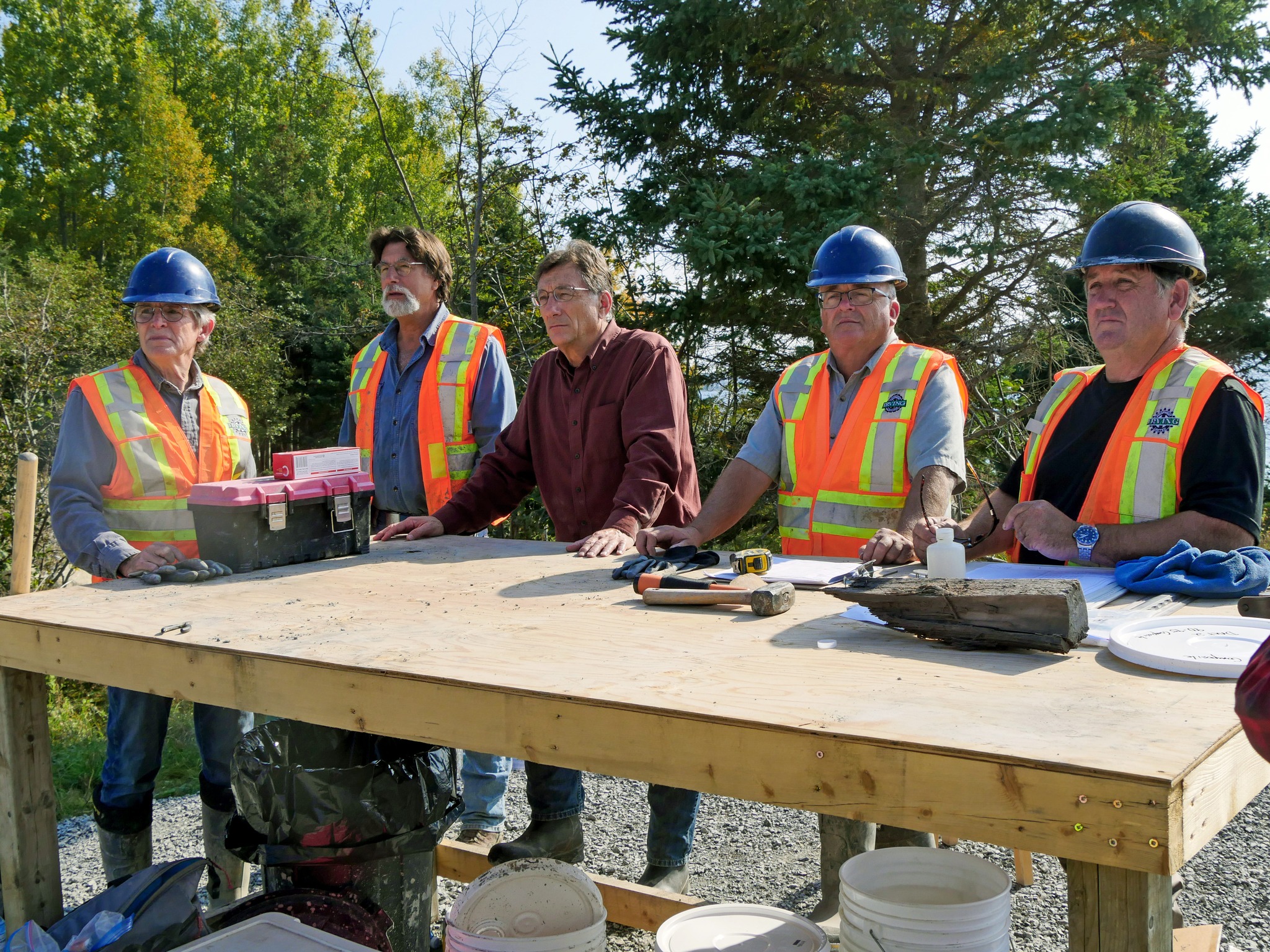
Perhaps the most compelling tease comes from the revelation that a core sample taken near the stone shows signs of metal. “Something of metallic nature is in that core. The lab can confirm if it is gold or silver,” one voice says.
The presence of metal within or beneath a stone formation strongly suggests deliberate placement rather than natural occurrence. Even before laboratory confirmation, the find elevates the discovery from visual curiosity to measurable evidence. Should the metal prove to be gold or silver, the implications multiply—ranging from symbolic markers and navigational aids to concealed deposits or carefully placed decoys.
Science Meets Ancient Craftsmanship
The decision to send samples for laboratory analysis underscores the increasingly scientific approach that now defines the series. Core drilling, metal detection and compositional testing have become essential tools, allowing modern technology to interrogate ancient clues with greater precision.
Even if the metal is not precious, its composition could still hold historical significance, particularly if it aligns with known ancient metallurgical techniques. Episode 7 appears ready to show how present-day innovation can bring new clarity to old questions.
More Than a Discovery
Beyond the historical implications, Walk the Line seems set to carry emotional weight. After thirteen seasons filled with setbacks and near misses, each promising find brings renewed expectation. For Rick Lagina in particular, the search has always been as much about understanding the past as it is about discovery itself.
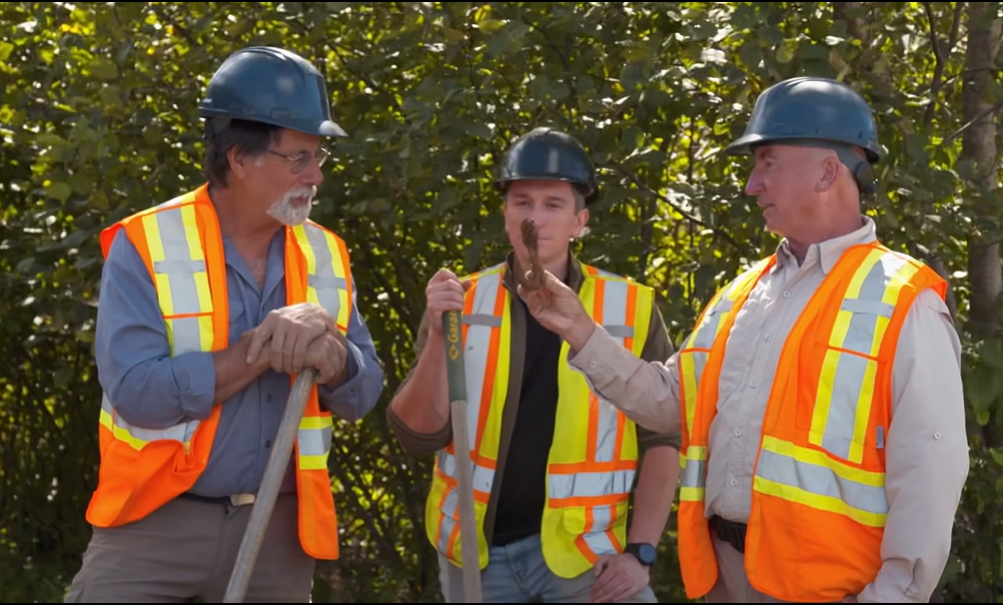
If this episode delivers on its promise, it could redirect the remainder of Season 13—refining excavation targets, introducing new expert perspectives and strengthening the case for intentional design across the island.
Whether it provides answers or deepens the mystery, Episode 7 appears destined to stand out. As the team follows the line—both across the landscape and through history—it may bring viewers closer than ever to understanding why Oak Island has captured imaginations for centuries.