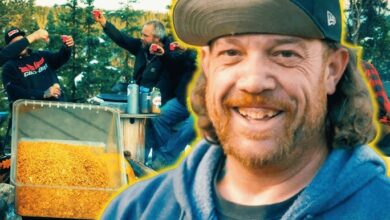
The Untold Truth About Why Freddy Dodge Left “Gold Rush”
Born in Colorado, 100 miles north of the Fair Play claim, Fred Dodge has been chasing gold since just nine years of age. Along with his family, the gold miner and professional prospector—who also forms part of the team at MSI Mining Equipment—is best known for his appearances in the reality TV series Gold Rush. He forms a tight-knit team with his brother Derek, who is also a gold prospector.
Entitled Gold Rush: Alaska during its first season, Gold Rush is a reality series that airs on Discovery and follows various family-run gold mining companies, mostly situated in Canada and Alaska. Some episodes were also filmed in South America and Western North America. The season 1 premiere aired in December 2010 and saw six men from Sandy, Oregon, take the gamble of their lives after losing their jobs and traveling to Alaska’s Porcupine Creek to prospect for gold.

What made the show even more interesting was that most of the cast had little to no experience in placer gold mining and had to learn the ropes while filming. This led to tense but entertaining situations. Some of the problems the Hoffman crew encountered included the wash plant breaking down several times, although the on-site mechanic, James Harness, was able to fix most of the issues.
Todd Hoffman, the leader of the group, turned to his close friend Dave Turin for help. Todd had years of experience working at his family’s quarry and rescued the crew from several tricky situations. Midway through the season, the incorporation of a new cast member, mining expert Dakota Fred Hurt, led to more friction. The most memorable episode saw two cast members get into a physical fight.



In the end, the Hoffman crew mined just 14.64 ounces of gold thanks to a combination of hard work and creative ideas. Gold Rush: Alaska became the most-watched Friday night program on U.S. television among males aged 18 to 54. To keep things fresh, new crews like the Hurt crew and Schnabel crew joined in season two. With better equipment, a bigger budget, and on-the-job experience, the crews began mining more gold and making bigger profits.
The Beets crew debuted in season four, later joined by the Ness and Lewis crews in seasons 9 and 11 respectively. Fred Dodge was used to the Hoffman crew at Porcupine Creek and the Mazaruni claim in Guyana, making cameo appearances in the first two seasons before becoming a recurring cast member in season three.
Known for his outgoing personality, viewers saw Fred’s more personal side in season 5 when his father-in-law died suddenly. Though he’s not one of the show’s biggest stars, Fred has a loyal fan base. Filming for season 11 was severely impacted by the COVID-19 pandemic. Although miners were considered essential workers in the Yukon, film crews were not, leaving only one crew member on site when filming began. Despite these challenges, the eleventh season premiered in October 2020 and was well received.
Season 12 aired in September 2021 and focused on the Schnabel, Beets, Ness, and Lewis crews. The Lewis crew mined just 110 ounces, while the Schnabel crew mined an impressive 8,309.75 ounces. Somewhere between a lifestyle and competition series, Gold Rush has attracted both casual and dedicated fans. While each crew’s yield is tallied, there is no official reward, though miners occasionally place friendly wagers.
Parker Schnabel, one of the youngest cast members, is considered the show’s most successful miner. Since joining in season 2, he has mined 39,910 ounces of gold worth nearly $68 million. Parker helped the struggling Hoffman crew in season 1 when he was just 16, inspired by his grandfather John, a lifelong Alaskan miner. In season 2, Parker excavated Big Nugget Creek Mine, yielding 34 ounces, but since season 4, he’s led the top-earning crew every year, breaking records with 7,509 ounces in season 11.
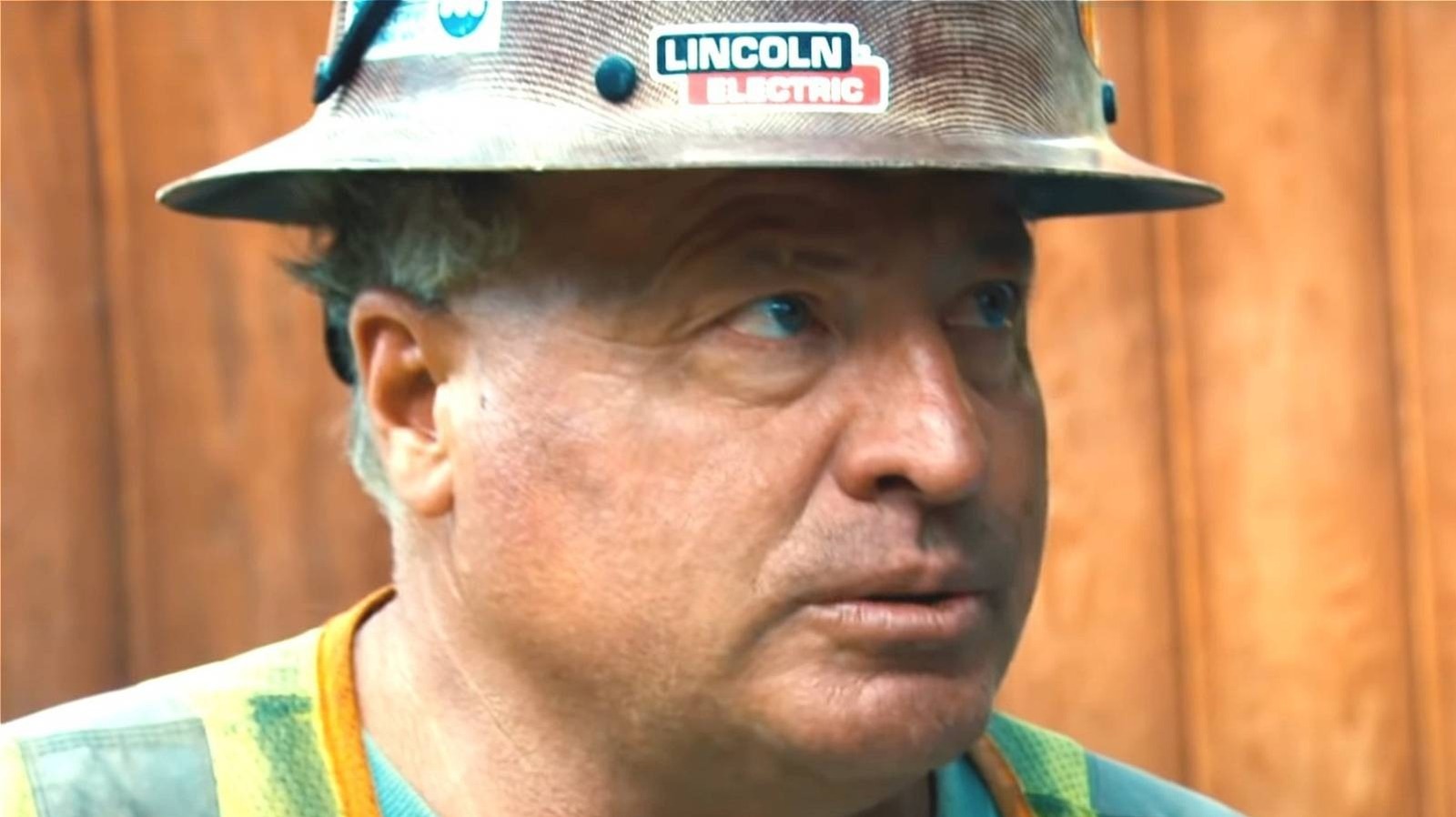
Tony Beets, a seasoned Dutch miner known for his foul language and long white beard, joined the show in season 5. Despite his experience, Tony’s yields have varied, though he holds the record for the largest single gold cleanup. To date, he’s mined 16,261 ounces worth nearly $29 million. His feuds with Parker and Rick Ness have kept fans hooked.
Todd Hoffman was known for his ability to make good TV, despite inexperience. After a rocky start and a failed expedition to South America in season 4, he mined a personal best of 3,032 ounces in season 6. He left the show after season 8, having mined a total of 8,039 ounces worth $14.3 million.
Rick Ness rose to fame as Parker’s foreman before going solo in season 9. Known for his tattoos and sleeveless shirts, Rick quickly became a fan favorite. But being a crew leader proved difficult. Equipment failures and crew morale issues plagued him, and his inexperience led to risky decisions like reopening land in winter. Still, in his first three seasons, he mined 2,732 ounces worth almost $5 million.
Fred and Dustin Hurt—the Dakota Boys—became recurring cast members in season two when they took over Todd’s claim. Their search for the “glory hole” was hindered by weather and faulty equipment. After yielding 523 ounces worth nearly $1 million in three seasons, they launched spin-offs All That Glitters and Gold Rush: White Water. Fred is now semi-retired while Dustin carries on the family trade.

Fred Dodge is officially the sixth most successful cast member despite his yields not being tallied. His expertise and tough love were crucial in saving the Hoffman crew in early seasons. In season 4, he worked in the Klondike with his brother before returning in season 5. While not filming, Fred keeps busy with work, and his low social media presence makes tracking him difficult. He returned to help Rick when their wash plant collapsed and assisted Fred Lewis in season 11.
In 2021, Fred hosted Freddie Dodge’s Mine Rescue, a six-episode special helping underperforming mines. Although it wasn’t renewed, fans expect him to return in future Gold Rush seasons.
As for gold mining history, the exact start date is unknown. Gold artifacts from 4700 BC suggest humans have mined gold for at least 7,000 years. The oldest known mine may be the Sakdrisi site in Georgia. Romans used hydraulic methods like hushing and ground sluicing to mine state-controlled deposits. Gold drove many key moments in history, including the Roman invasion of Britain.
In the 19th century, global gold rushes like those in Victoria, California, and the Klondike spurred mass migration. The discovery of gold in the Witwatersrand helped trigger the Second Boer War and South Africa’s founding. Since then, over 6 billion ounces (200,000 tons) of gold have been mined globally.
As of 2020, China was the top producer with 368.3 tons, followed by Russia and Australia. Common mining methods include placer mining, panning, sluicing, and dredging. Despite environmental concerns, recreational gold mining is a growing hobby in countries like Wales, Canada, South Africa, and Australia.