The Program’s Biggest Failures – Light Missions, Lost Machinery, Millions of Dollars in Losses
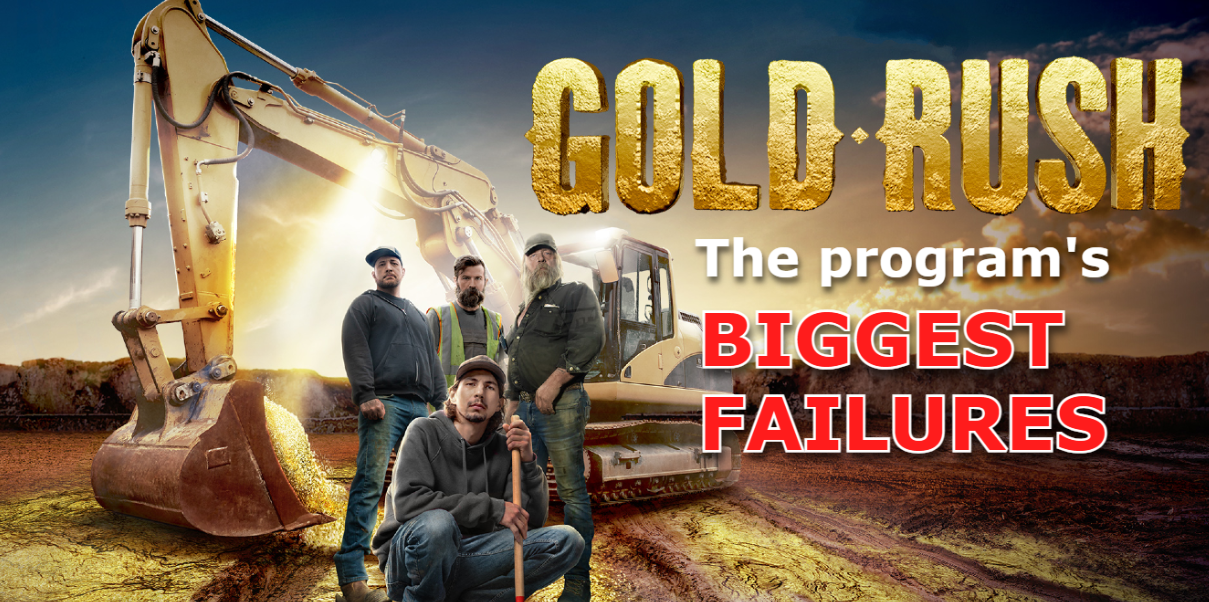
For years, Gold Rush has been one of Discovery Channel’s most popular reality shows — a thrilling blend of grit, ambition, and the relentless pursuit of fortune. But behind the glittering promise of gold lies a darker, lesser-seen side of the story: a trail of failed missions, broken machines, and staggering financial losses that have tested even the toughest miners on the show.
When Gold Turns to Dust
Every mining season begins with high hopes and bold projections. Crews invest hundreds of thousands — sometimes millions — into new equipment, fuel, and manpower. Yet the reality of gold mining is unpredictable. Weather delays, faulty ground readings, and technical disasters can turn a season of dreams into a nightmare.
One of the most notorious examples came when Parker Schnabel’s crew attempted an ambitious expansion into untested ground. The move required massive investment in new wash plants and haul trucks — but the yield was far below expectations. Despite Parker’s legendary drive, the crew ended the season barely breaking even, proving that even the most successful miners aren’t immune to risk.





Tony Beets’ Machinery Meltdown
Few moments in Gold Rush history are as infamous as Tony Beets’ battles with his massive dredges. The so-called “King of the Klondike” invested millions into reviving old mining equipment — massive floating gold dredges from decades past. The gamble was daring and historically fascinating, but it came at a heavy cost.

Mechanical breakdowns, transport issues, and endless repairs drained both time and money. At one point, entire dredges sat motionless for weeks while crews scrambled for parts, eating up resources without producing a single ounce of gold. Even Beets, known for his iron will, admitted it was one of the most frustrating projects of his career.
Rick Ness’s Costly Comeback
After stepping away from the series for personal reasons, Rick Ness made a much-hyped return — but his comeback wasn’t the victory fans expected. With limited capital and a smaller crew, Rick’s new operation struggled to find pay dirt. Equipment failures and unstable ground meant more time fixing than mining. Each setback chipped away at his already tight budget, leaving him on the edge of collapse.

His story became a reminder that passion alone can’t keep a mining operation afloat — not when fuel prices, repairs, and lost time pile up faster than the gold they pull from the ground.
Millions Lost, Lessons Gained
Across the show’s many seasons, failed ventures have cost miners millions. Trucks have sunk into mud pits, wash plants have collapsed under pressure, and costly equipment has been left to rust in the Alaskan wilderness. For every success story, there’s a season where the gold just didn’t show up — and a crew walked away in debt.

But perhaps that’s part of what makes Gold Rush so compelling. It’s not just a show about striking it rich — it’s a raw, unfiltered look at the brutal reality of chasing fortune in the wild. The miners’ losses, though painful, tell a story of resilience, risk, and the unbreakable human spirit that keeps them digging year after year.
Because in the end, as Gold Rush proves time and time again — the real gold isn’t always what’s found in the ground, but what’s learned in the struggle to find it.