What Comes After Season 5? Inside the Early Signs Shaping Clarkson’s Farm Season 6.
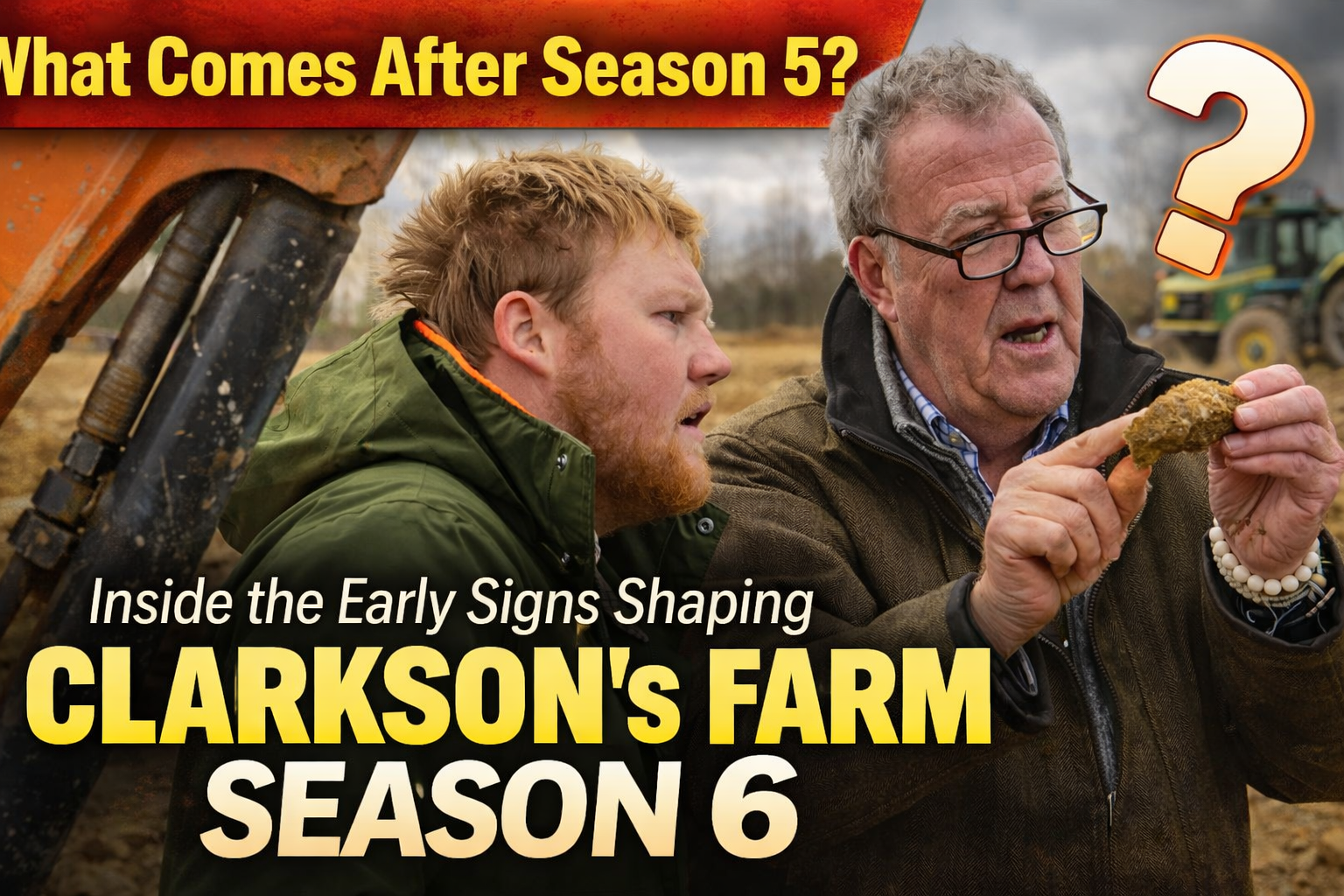
As Clarkson’s Farm wrapped up its fifth season, many fans assumed Jeremy Clarkson would finally slow down. Instead, the signs emerging behind the scenes suggest the opposite. Season 6 is quietly taking shape—and everything points to a chapter that could feel very different from what viewers have seen before.
After five seasons documenting chaos, crop failures, council clashes, and unexpected triumphs at Diddly Squat Farm, the series has reached a natural crossroads. The question now isn’t whether the show will continue, but how it will evolve.
A Break That Didn’t Really Feel Like One
At the end of Season 5, Jeremy Clarkson publicly acknowledged he needed a pause. Farming had taken a physical toll, filming had been relentless, and for once, the idea of stepping back seemed sensible. Yet Clarkson also made it clear that farming doesn’t wait for television schedules.

Harvests still come. Livestock still need care. Weather still dictates everything.
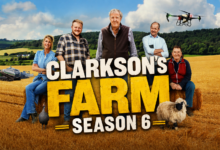
That reality alone makes Season 6 inevitable. Unlike many reality shows, Clarkson’s Farm cannot simply reset. Whatever happened after the cameras stopped rolling became the foundation for what comes next.
A Farm That’s Getting Bigger—and Harder to Control
One of the clearest signs shaping Season 6 is scale. Diddly Squat is no longer just a struggling farm learning the basics. It is now a complex rural business with multiple revenue streams—livestock, crops, a farm shop, and now a pub.
Each expansion brings new complications. Planning conditions, traffic management, staffing pressures, and rising costs are no longer side stories; they are central conflicts. Season 6 is likely to explore what happens when Clarkson’s ambition outpaces the simplicity that once defined the show.
This shift could mark a tonal change. Earlier seasons thrived on Clarkson’s ignorance and trial-and-error learning. Now, the stakes are higher, and mistakes carry far greater consequences.

Familiar Faces, Changing Roles
Fans can expect the core cast to remain intact. Kaleb Cooper is still central to the operation, though his role has evolved. No longer just the straight-talking local farmer correcting Clarkson’s errors, Kaleb now balances farming with his own growing public profile.
Lisa Hogan has also become more influential, particularly in business decisions and public-facing elements of the farm. Season 6 may lean further into how these relationships adapt as the pressure increases.
The dynamic is changing—from teacher and student to something closer to uneasy partners navigating success together.
Weather, Money, and Unfinished Battles
Another strong indicator for Season 6 lies in unresolved issues. Farming margins remain razor-thin, and profitability is still elusive. Clarkson has repeatedly admitted that turning effort into income is harder than anyone expects.
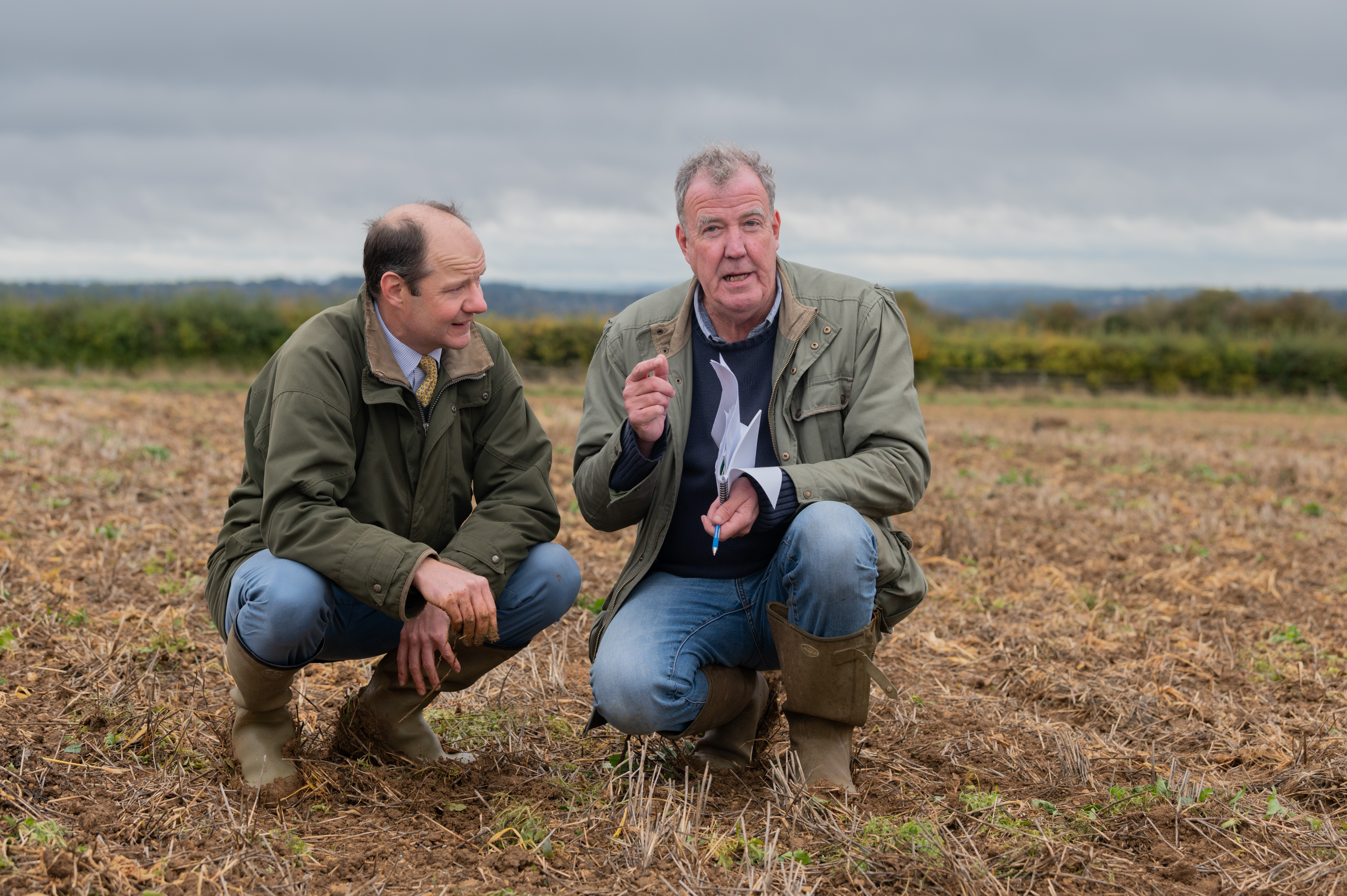
Add unpredictable weather into the mix, and the farm remains one bad season away from serious trouble.
Then there are the ongoing tensions with local authorities. While some planning approvals have been granted, they often come with strict conditions. Season 6 is likely to revisit this familiar struggle, but with higher stakes now that the farm’s footprint is larger and more visible.
A More Reflective Clarkson?
Perhaps the most intriguing sign shaping Season 6 is Clarkson himself. After years of defiance and bravado, recent comments suggest a more reflective tone. The physical strain of farming, the stress of running multiple ventures, and the sheer scale of responsibility appear to be weighing on him.
That doesn’t mean the humor will disappear. If anything, it may become sharper—rooted less in chaos and more in hard-earned realism.
What Season 6 Might Really Be About
If earlier seasons were about learning how to farm, Season 6 looks poised to be about whether this way of life is sustainable at all. Not just for Clarkson, but for modern farmers everywhere.
Success has arrived—but so have its consequences.
And that may be the most compelling story Clarkson’s Farm has told yet.