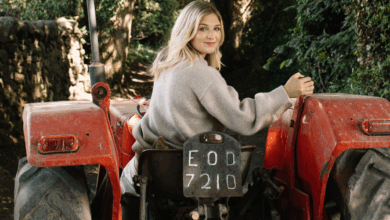
Kaleb Cooper Told Off by Bird Campaigner at Clarkson’s Farm. And the Unexpected Lesson It Revealed
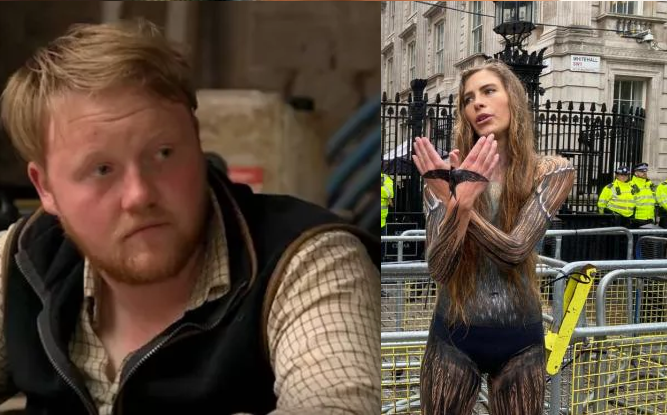
At Diddly Squat Farm in the rolling Oxfordshire countryside, clashes between tradition and environmental responsibility are nothing new. Jeremy Clarkson has built an entire series around the tension between farming reality and outside expectations. But this time, the friction didn’t come from regulations or government red tape.
It came from a single moment involving a tractor, a hay field, and a passionate bird advocate who believed she had arrived just in time to stop a disaster.
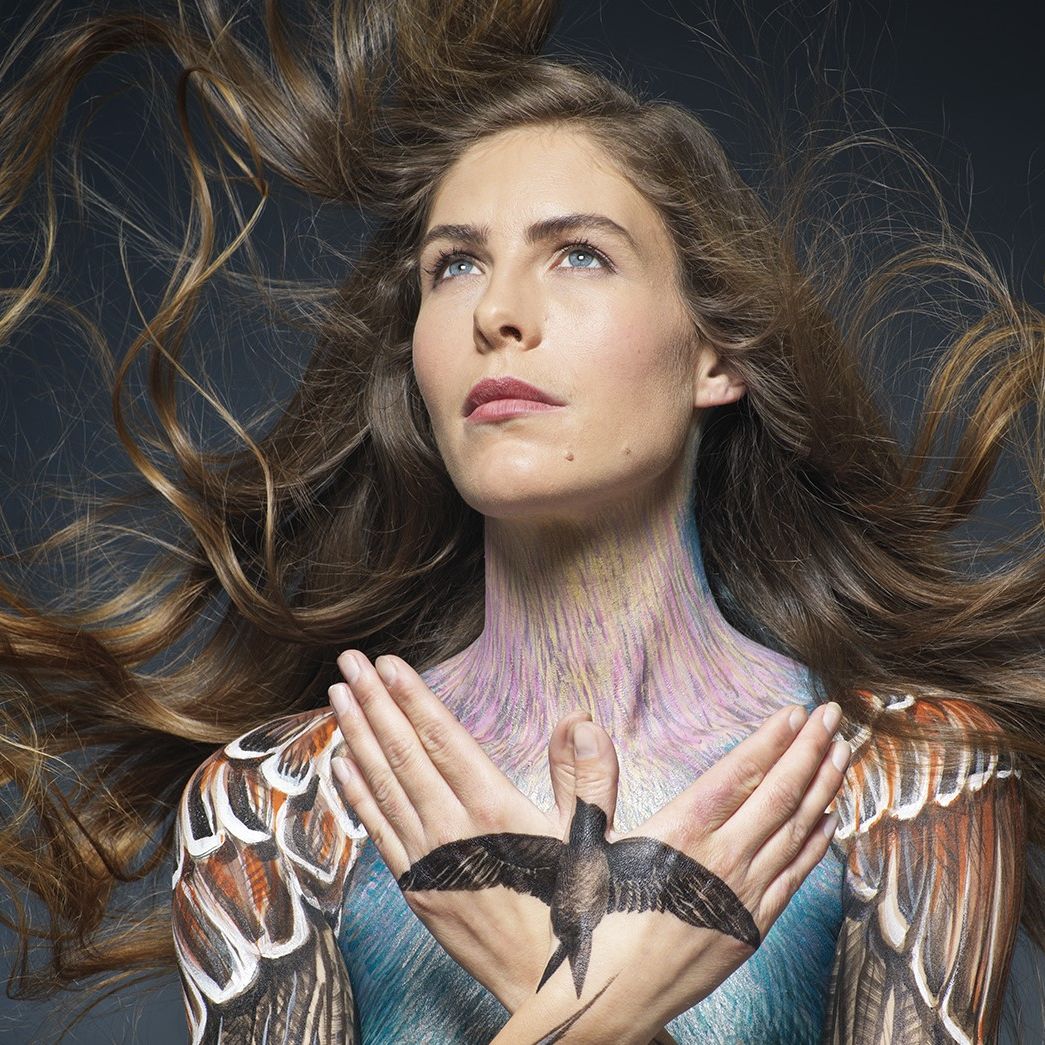
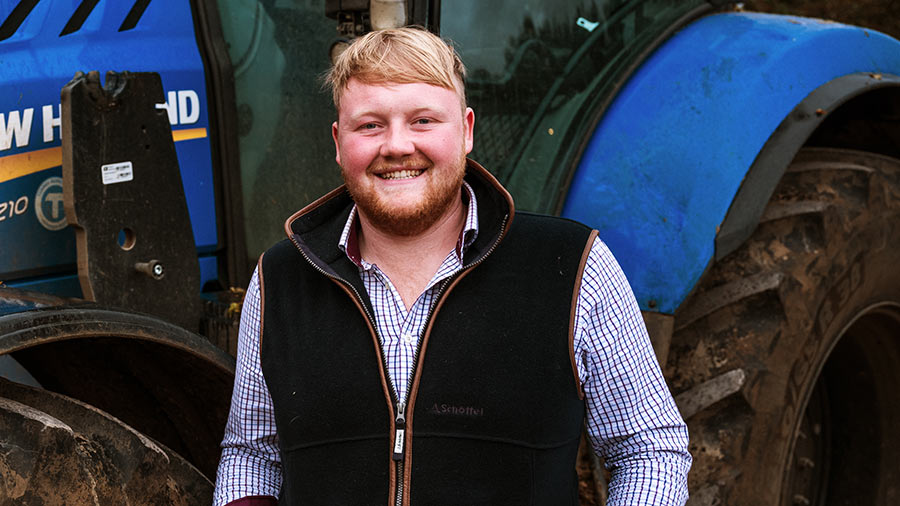
Earlier this month, Kaleb Cooper — the no-nonsense young farmhand who has become one of the breakout stars of Clarkson’s Farm — found himself unexpectedly confronted by local parish councillor and bird specialist Hannah Bourne-Taylor. Her concern: that the annual hay-cutting schedule at Diddly Squat was endangering vulnerable skylark nests hidden in the grass.
What unfolded next has become one of the most surprising, and strangely heartfelt, stories to emerge from the farm this year.
A Rising Star, a Busy Farm, and a Clash of Priorities
Kaleb Cooper, now 27 and a father of three, has become a central figure not only in the farm’s operations but in the show’s wider appeal. His frank opinions, sharp instincts, and grounded approach to farming have made him both beloved and indispensable. But with the pressures of running a demanding agricultural operation, his decisions must prioritise livestock, schedules, and survival.
So when Hannah Bourne-Taylor approached him with a request to do more to support bird habitats — despite the farm already establishing wildflower strips to improve biodiversity — Kaleb’s response was characteristically blunt:
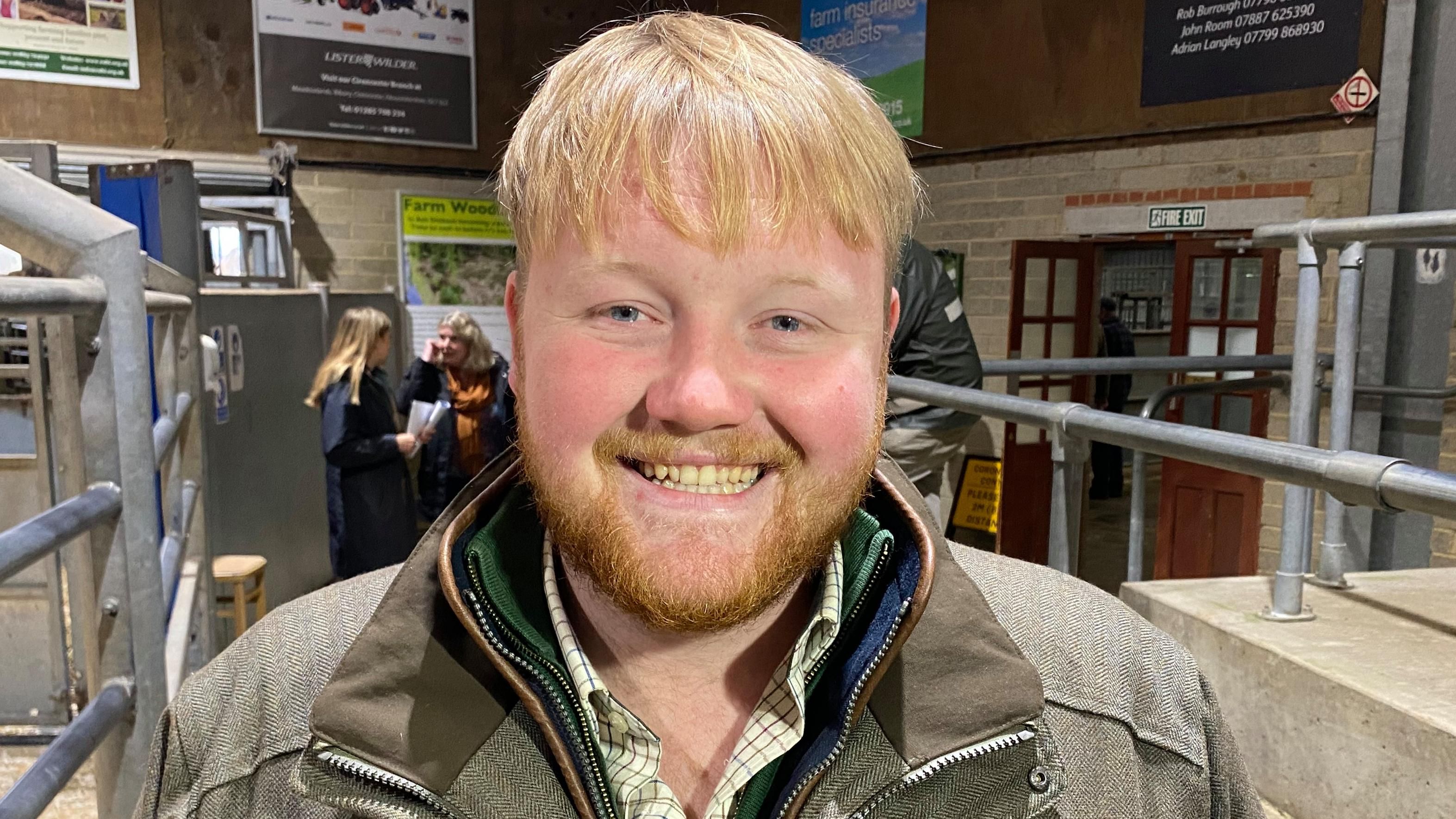
“No.”
To him, the matter was simple. The cows needed hay, and the window to cut the grass before it became nutritionally worthless was closing fast. Hesitating meant risking the wellbeing of their herd through the winter.
But the story didn’t end there.
The Confrontation in the Field
In his column for The Sunday Times Magazine, Jeremy Clarkson described what happened when Hannah arrived on the farm one morning in early June — just as Kaleb was cutting through an essential hay field.
The scene she witnessed was distressing to her: Kaleb’s tractor moving steadily across the grass while skylark chicks, still unable to fly, remained hidden in their nests. She feared the worst and confronted him immediately, alarmed that he was harming protected wildlife.
Jeremy writes:
“She was distraught. ‘He’s mincing all the baby skylarks. They’re in their nests in this field, and they’re too young to fly off.’”
Kaleb, according to Clarkson, “took his telling-off like a man.” He understood her passion, but he also explained his reality: if he delayed, the hay would lose its nutritional value and the cows would suffer during the winter months.
In other words, this wasn’t cruelty. It was farming — and the tightrope farmers walk daily between animal welfare, crop management, and ecosystem care.
Clarkson Intervenes — and a Lesson Emerges
Caught between his farmhand and the bird campaigner, Clarkson made a decision: Kaleb would pause cutting in the next field and wait until the skylarks were old enough to avoid the machinery.
But the compromise had a consequence.
When Kaleb eventually cut the delayed field, the hay proved nearly useless — exactly as he had warned. The grasses had passed their nutritional peak, leaving Clarkson to reluctantly admit that the cows would pay the price next season.
He summed it up with characteristic humour:
“Next spring our cows are going to look like they’ve been on Mounjaro.”
Behind the joke sits a far more complex truth.
A Farm Caught Between Two Worlds
The incident highlights one of Clarkson’s Farm’s most compelling themes: the collision between passionate environmental advocacy and the harsh, inflexible realities of food production.
Farmers like Kaleb don’t oppose wildlife conservation — but they must juggle it with the survival of the animals in their care, the demands of unpredictable seasons, and the economics that keep their farms running.
Hannah’s concerns were valid. So were Kaleb’s.
The moment in the field became more than a disagreement. It became a snapshot of modern farming: a balancing act where every decision carries weight, every compromise has consequences, and every stakeholder believes they’re fighting for the right cause.