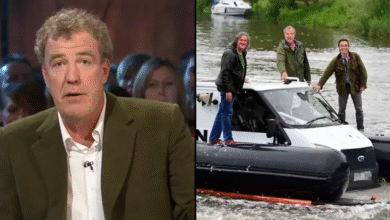
From TV Millions to Rising Costs: Why Jeremy Clarkson’s Finances Are in the Spotlight
For decades, Jeremy Clarkson has been synonymous with television success. From global motoring franchises to bestselling columns and lucrative presenting roles, Clarkson built a reputation not just as a broadcaster, but as a formidable brand. Yet in recent years, attention has shifted away from headline salaries and toward a more complex question: how sustainable is the expanding business world he now oversees?
The shift began with Clarkson’s Farm, a programme that transformed Clarkson from studio presenter into full-time landowner and rural entrepreneur. While the show became a cultural hit, it also offered an unusually transparent look at the financial realities of modern farming. Rising costs, regulatory pressure, and unpredictable returns quickly became recurring themes—both on screen and off.
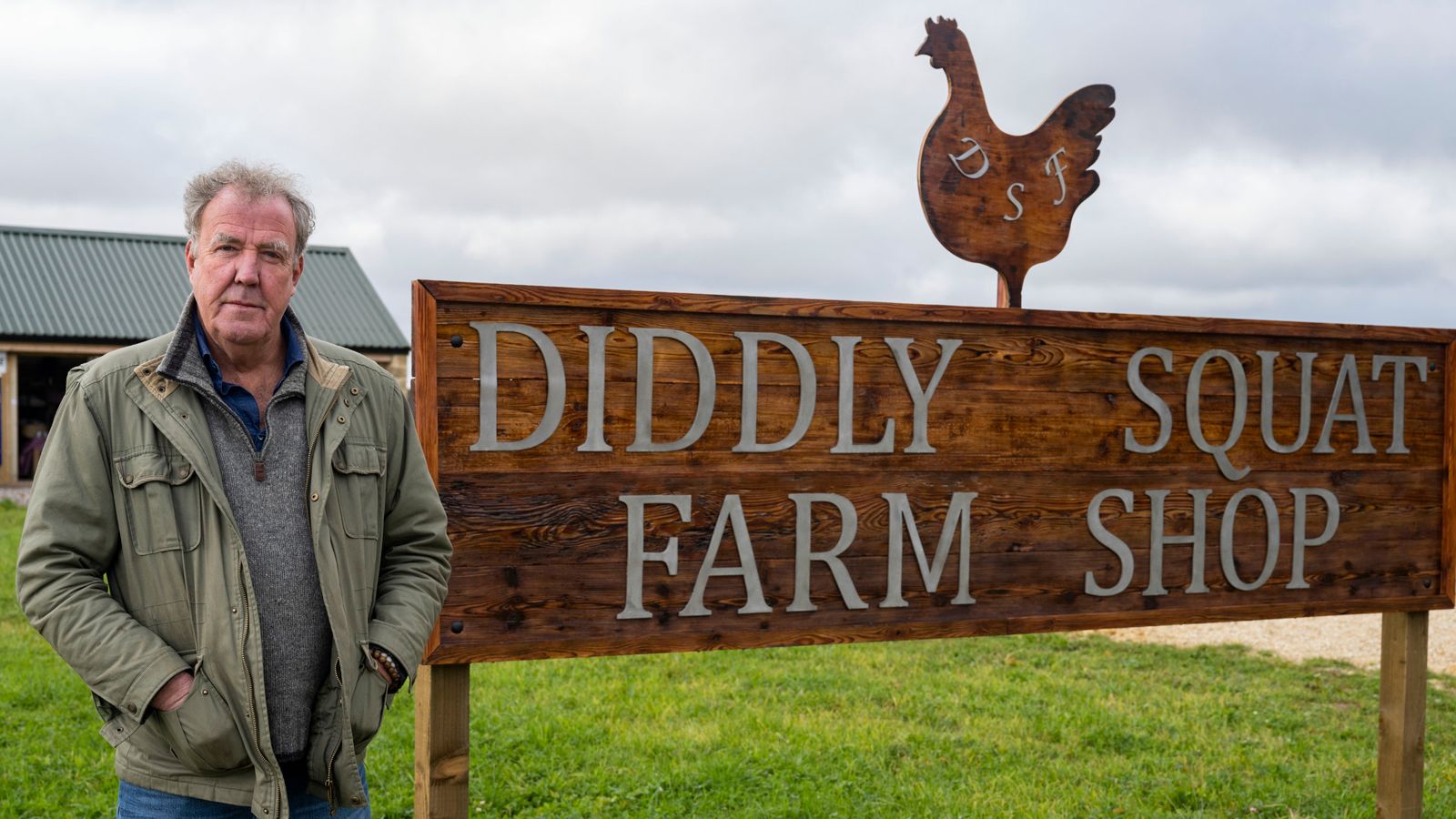
Farming, as Clarkson himself has often pointed out, is not a straightforward commercial venture. Machinery, fuel, feed, labour, and compliance costs continue to rise, while margins remain tight. Even with television exposure driving footfall to Diddly Squat Farm Shop, the underlying economics remain challenging. The show’s popularity may generate visibility, but it does not remove the structural pressures facing agricultural businesses across the UK.
Those pressures extend beyond the fields. Clarkson’s decision to expand into hospitality with The Farmer’s Dog pub added another layer of complexity. Running a rural pub involves staffing, supply chains, energy costs, licensing, and maintenance—expenses that have increased sharply in recent years. Clarkson has been candid about how demanding the operation is, describing it as more stressful than farming itself. For viewers, that honesty has sparked a broader conversation about whether the scale of his commitments is stretching resources thin.




Adding to that equation is Hawkstone Brewery, another ambitious venture tied closely to Clarkson’s public profile. While the brand has seen strong sales growth, breweries face their own financial challenges, including rising ingredient prices, distribution costs, and tax pressures. Growth does not always translate into immediate profit, and expansion often requires reinvestment that ties up capital.

What makes Clarkson’s situation particularly intriguing is the contrast between perception and reality. To many, he remains the embodiment of television wealth. Yet the businesses he now runs operate in sectors where profit is far from guaranteed. Unlike traditional media contracts, these ventures expose him directly to operational risk, fluctuating costs, and regulatory hurdles that cannot be solved with popularity alone.
There is also the question of workload. Clarkson balances farming, hospitality, brewing, television appearances, writing commitments, and public events. Managing multiple enterprises simultaneously increases overheads and limits flexibility when one area underperforms. It also raises the stakes of every strategic decision, as time and resources are finite—even for someone with a long history of commercial success.
Importantly, none of this suggests imminent collapse. Clarkson continues to generate income across multiple channels, and his ventures benefit from extraordinary visibility. However, the spotlight on his finances reflects a deeper curiosity about how modern celebrity businesses function once the cameras stop rolling. Viewers are no longer just entertained by the story—they want to understand the numbers behind it.

In many ways, Clarkson’s journey mirrors a wider shift in how audiences view wealth. Transparency has replaced mystery. Success is no longer measured solely by income, but by sustainability. As costs rise and margins tighten, even high-profile figures are not immune to financial pressure.
That is why Jeremy Clarkson’s finances are attracting attention. Not because of a single setback, but because they reveal the reality behind diversification, ambition, and scale. His story is no longer just about how much he earns—but about how modern success is managed, maintained, and tested in an increasingly expensive world.