From Fast Cars to Farming Fields: Clarkson’s Lessons Resonate in South Africa
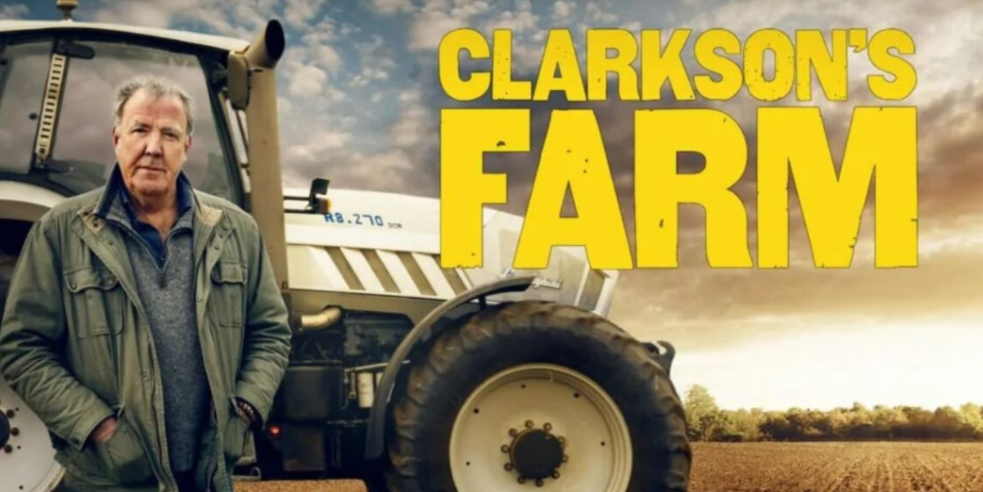
Jeremy Clarkson is a man most people associate with roaring engines, drifting cars, and witty one-liners on Top Gear and The Grand Tour. Yet over the last few years, the outspoken presenter has reinvented himself in one of the most unlikely ways possible: as a farmer. His hit Amazon Prime Video series, Clarkson’s Farm, follows his misadventures on Diddly Squat Farm in the English countryside — a venture that has unexpectedly struck a chord with viewers far beyond the UK, including in South Africa.
What makes the show such a hit is not just the humor. Yes, audiences laugh at Clarkson’s blunders, his constant clashes with young tractor driver Kaleb Cooper, and his hilarious inability to follow simple farming advice. But beneath the comedy lies a surprisingly valuable message: farming is tough, unpredictable, and far more scientific than it looks. And those lessons, according to South African agricultural experts, are more relevant than ever.
Farming Is No Guessing Game
Kobus van Zyl, senior agriculturalist at Omnia Agriculture, believes Clarkson’s on-screen mistakes highlight a serious reality for farmers across the globe. “Farming is not about vibes or gut feelings,” Van Zyl explains. “If you don’t have accurate data, you’re essentially gambling with your livelihood.”

Clarkson’s chaotic approach — planting wheat on instinct or spraying pesticides without checking the weather — may make for entertaining television, but Van Zyl stresses that in reality it’s a recipe for disaster. “Data drives everything: from soil analysis to crop variety selection. With the right diagnostics, farmers can fertilise correctly, choose cultivars suited to their region, and ultimately achieve better yields than the average.”
Without these steps, farming becomes like driving blindfolded. “Over-fertilising wastes money and damages the environment, while under-fertilising reduces yields and profitability,” Van Zyl warns. “Both outcomes are costly.”
The Hazards of Cutting Corners
One of the most infamous moments from Clarkson’s Farm saw Jeremy spraying herbicide during gusty winds, only to watch it drift into a neighbour’s field — a mistake that cost him dearly. Van Zyl says this incident may have been comic on screen, but it illustrates a very real problem.

“Spraying in the wind is asking for trouble,” he says. “The drift can damage nearby crops, reduce product effectiveness, and even lead to legal disputes with neighbours. Good agricultural practice means checking weather conditions, using the correct spray nozzles, and sometimes knowing when to wait.”
Such mishaps serve as reminders of how vital planning and patience are in farming — two qualities Clarkson often struggles with, but eventually begins to respect as the series progresses.
The Soil Always Comes First
If there’s one recurring theme in Clarkson’s misadventures, it’s his tendency to underestimate the importance of soil. To the untrained eye, soil may look like nothing more than dirt, but for farmers it is the foundation of everything.
“Soil health is everything,” Van Zyl insists. “It’s about nutrients, microbial life, moisture retention, and structure. If you compromise that system, your productivity suffers in the long run.”
For South African farmers, who face unpredictable rainfall and limited water resources, this lesson is particularly urgent. “Protecting soil biology improves resilience,” Van Zyl adds. “Healthy soils help crops withstand droughts, pests, and diseases, which ultimately strengthens food security.”
Farming Is a Team Effort
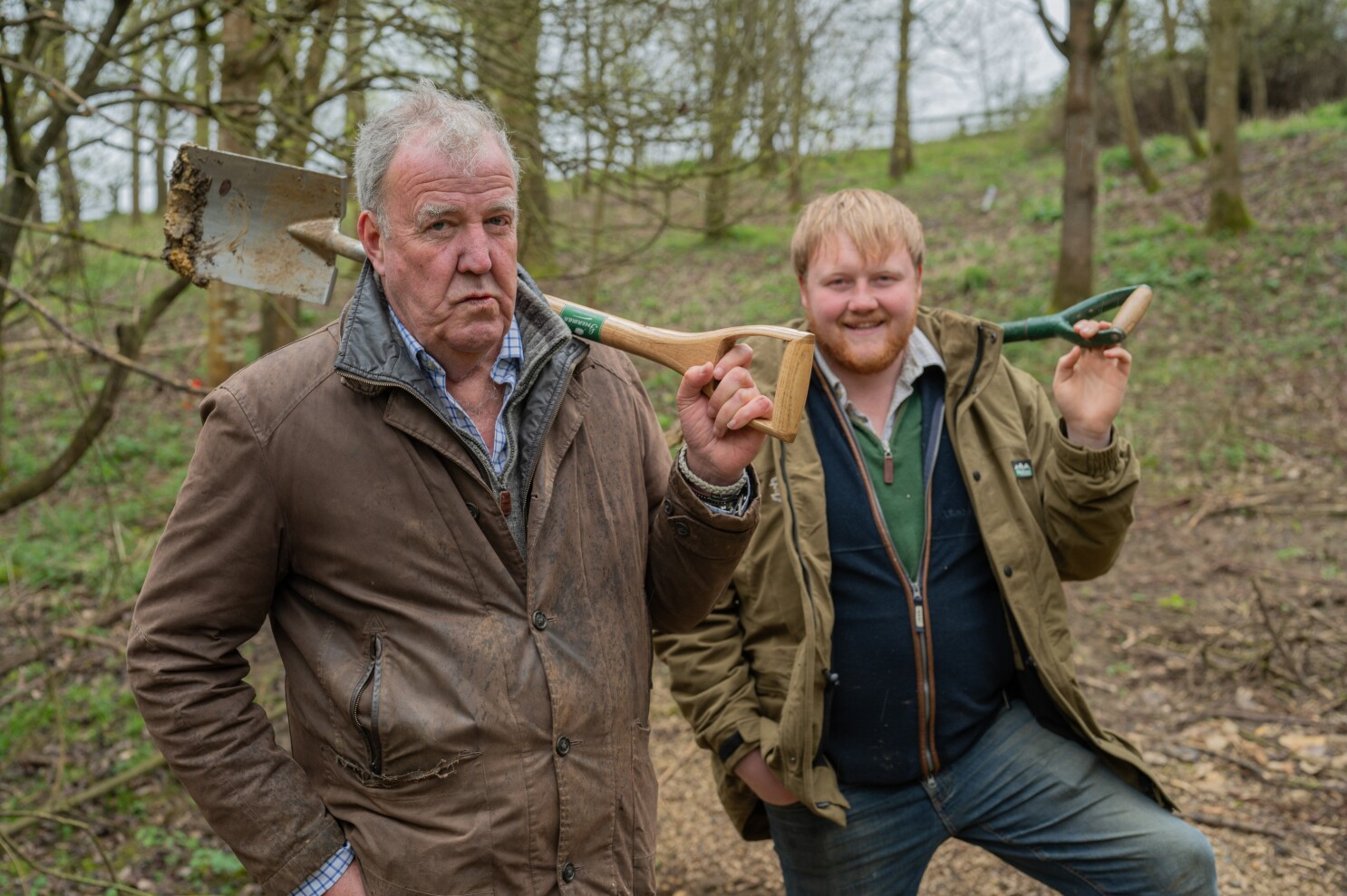
Over time, Clarkson learns to rely more on his team — Kaleb for his practical know-how, land agent Charlie for financial planning, and advisers who provide technical expertise. Van Zyl notes that this collaborative spirit is essential in real farming.
“Working with qualified advisers gives farmers a feedback loop,” he says. “It’s not about someone telling you what to do. It’s about exploring options, identifying risks early, and making the most of each season. That’s how you succeed in agriculture.”
Sustainability Isn’t Optional
While Clarkson dabbles in eco-friendly practices on the show, he often prioritises quick wins. Van Zyl argues that this approach overlooks the long-term benefits of sustainability.
“Sustainability isn’t just a buzzword. It’s good for business,” he says. “By protecting your soil, preserving water, and managing inputs carefully, you safeguard profitability and resilience — especially as climate change brings more uncertainty.”
For South African farmers, already battling unpredictable weather, sustainability isn’t an option. It’s a necessity.
Beyond the Laughter
In the end, Clarkson’s Farm may exaggerate mistakes for laughs, but the underlying message is deeply relevant: farming is both art and science, requiring strategy, discipline, and respect for the land. Clarkson’s failures remind viewers — especially those in South Africa — that agriculture is no joke. It is a shared responsibility that feeds nations.
And as if that weren’t enough to keep fans talking, rumours are swirling about a potential spin-off after Clarkson teased a wine-tasting project on Instagram. Whether it turns into a new series or simply another Diddly Squat side hustle, one thing is certain: Jeremy Clarkson has taken audiences from fast cars to farming fields — and in the process, turned agriculture into must-watch television.