Europe on Alert After Rare Swine Flu Case – What It Could Mean for UK Farms and Clarkson’s Countryside.

Health authorities across Europe are closely monitoring a newly reported case of swine flu in Spain after a human infection was identified in the Catalonia region earlier this year. The case has triggered renewed attention from public health agencies, including the European Centre for Disease Prevention and Control (ECDC), which confirmed the incident and has begun assessing its potential implications.
While swine flu infections in humans remain rare, the discovery of a case without clear exposure to pigs has raised important questions among epidemiologists and health officials. The patient involved has shown no symptoms so far, but the unusual circumstances surrounding the infection have prompted a careful investigation.
A Rare Human Infection
According to the ECDC, the case involves a variant strain known as influenza A(H1N1)v, a form of swine influenza typically found in pigs but occasionally capable of infecting humans. The infection was detected during routine surveillance for respiratory illnesses in Catalonia.
Laboratory testing initially identified the presence of influenza A in a sample taken from the individual. Further analysis at the regional reference laboratory confirmed the strain as swine influenza A(H1N1)v.





Spanish authorities quickly notified the World Health Organization (WHO) and European health bodies after the discovery.
What makes the case unusual is that the infected person reportedly had no known contact with pigs or contaminated agricultural environments, which are usually the most common sources of infection in humans.
Investigating the Source
Health officials are now conducting epidemiological investigations to determine how the infection occurred. In most previously documented cases, people who contracted swine flu had direct contact with pigs, such as farmers, agricultural workers, or individuals visiting livestock markets.
However, in this instance, no such exposure has been identified.
The ECDC stated:
“According to the latest available information, the case has no known history of exposure to pigs or a contaminated environment.”
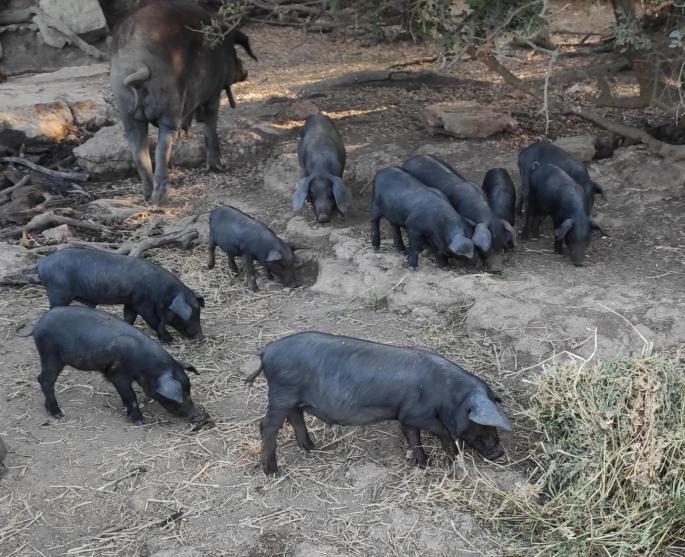
This has led authorities to consider the possibility that limited human-to-human transmission could have occurred. Although such transmission has been documented in the past, it remains extremely uncommon and typically does not spread widely among the population.
For now, the case appears to be isolated, and there is no evidence suggesting broader community transmission.
Spain’s History with Swine Flu
Despite the current attention surrounding the case, human infections with swine influenza remain rare in Spain.
Since the global H1N1 pandemic in 2009, only four human cases of swine influenza A(H1N1)v have been recorded in the country. The most recent case prior to this incident occurred in Catalonia as well, though symptoms began in 2023 and the case was reported in 2024.
In all previous cases, no sustained human-to-human transmission was detected.
Health experts say the rarity of such cases highlights the effectiveness of surveillance systems designed to detect emerging infectious diseases early.
How Swine Flu Affects Humans
Swine flu in humans typically presents symptoms similar to those of seasonal influenza.

Common symptoms include:
-
High fever
-
Persistent dry cough
-
Sore throat
-
Severe headaches
-
Muscle aches
-
Extreme fatigue
-
In some cases, nausea or diarrhea
Symptoms often appear suddenly and can become severe in vulnerable groups such as children, elderly individuals, and those with underlying health conditions.
In rare circumstances, complications can develop quickly, potentially leading to respiratory distress or pneumonia.
However, the current case in Catalonia remains asymptomatic, meaning the infected individual has not shown any noticeable signs of illness so far.
Global Monitoring of Variant Influenza
The ECDC notes that sporadic human infections with influenza viruses originating in pigs have been reported worldwide, including in several European countries.
These variant influenza viruses are closely monitored because of their potential to adapt and spread more easily among humans.
While the vast majority of cases remain isolated events, health authorities maintain surveillance systems to detect unusual patterns early.
The organisation explained:
“Exposure to infected pigs represents the most common source of infection in humans. Limited, non-sustained human-to-human transmission of variant influenza viruses has previously been documented, although it remains a rare event.”
Because influenza viruses can evolve quickly, researchers continue studying these variant strains to understand their behavior and potential risks.
No Cause for Alarm—But Vigilance Continues
Despite the concerns raised by the unusual circumstances of this infection, public health officials stress that there is no immediate threat to the general population.
Spain’s surveillance systems successfully detected the infection quickly, allowing authorities to begin monitoring and contact tracing procedures.
Experts emphasize that such detection demonstrates the strength of international disease monitoring networks designed to respond rapidly to emerging infections.
For now, investigators will continue studying the case to determine whether it represents an isolated incident or part of a broader pattern.
A Reminder of Ongoing Disease Surveillance
Although the current case appears mild, it serves as a reminder that influenza viruses remain unpredictable.
Global health agencies remain alert for unusual infections that could signal changes in viral behavior or new transmission pathways.
As epidemiologists continue their investigation in Catalonia, scientists hope the case will provide valuable insights into how variant influenza viruses interact with human populations.
For the moment, however, the situation remains under control — and health authorities across Europe are keeping a watchful eye on developments.