Dragon Orchard’s Norman Stanier Praises Clarkson’s Farm as Climate Pressures Mount in Herefordshire.

In the rolling countryside of Herefordshire, where orchards have shaped both landscape and livelihood for generations, Norman Stanier stands as a custodian of tradition — and a realist about the future.
Born and raised in Putley, Stanier now runs Dragon Orchard alongside his wife, Ann. Their farm spans five acres of eating and cooking apples, pears, plums and quince, alongside 15 acres dedicated to bittersweet cider apples. It is a family story that stretches back more than 150 years, when Norman’s great-grandfather arrived in the parish as overseer for the Putley Court Estate under John Riley, an innovative grower who capitalised on the newly built railway to transport fruit across Britain. That era cemented Putley’s reputation as a heartland of Herefordshire fruit growing — a legacy that endures today.
After building businesses elsewhere, Norman and Ann returned home three and a half decades ago to establish their permanent base at Dragon Orchard. But while the orchard’s heritage is deep-rooted, its future feels increasingly uncertain.
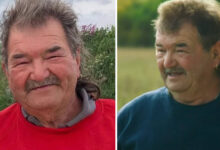

“The single biggest challenge at the moment is definitely the climate emergency,” Stanier says. In just the past two years, he points to record rainfall, intense summer heatwaves, droughts and a succession of severe storms. Milder winters present a particularly serious threat. Fruit trees depend on defined periods of dormancy; without them, plant health and yields are compromised.
Climate pressures are only part of the equation. Stanier explains that Brexit has reduced access to European markets, while securing seasonal labour has become significantly more difficult. Rising costs — from energy to equipment — compound the uncertainty. In his view, there is a growing risk that only large-scale conglomerates will possess the resilience to survive long-term volatility, leaving small family farms increasingly vulnerable.
Despite these challenges, Stanier remains measured rather than alarmist. He reflects candidly on past missteps, noting that while farming inevitably involves mistakes and learning curves, one stands out above others: selling their award-winning drinks company to the wrong buyer. Dragon Orchard’s cider venture had previously earned the BBC Food and Farming Award for Drinks Producer of the Year. But the sale, he says, did not unfold as envisioned.

Farming, he adds, is often misunderstood. “That all farmers are the same and farms are similar” is one of the biggest misconceptions, he says. In reality, the sector is as diverse in personality and perspective as any other industry. Yet because agriculture represents a small fraction of the national workforce and GDP, many people have little direct experience of rural life.
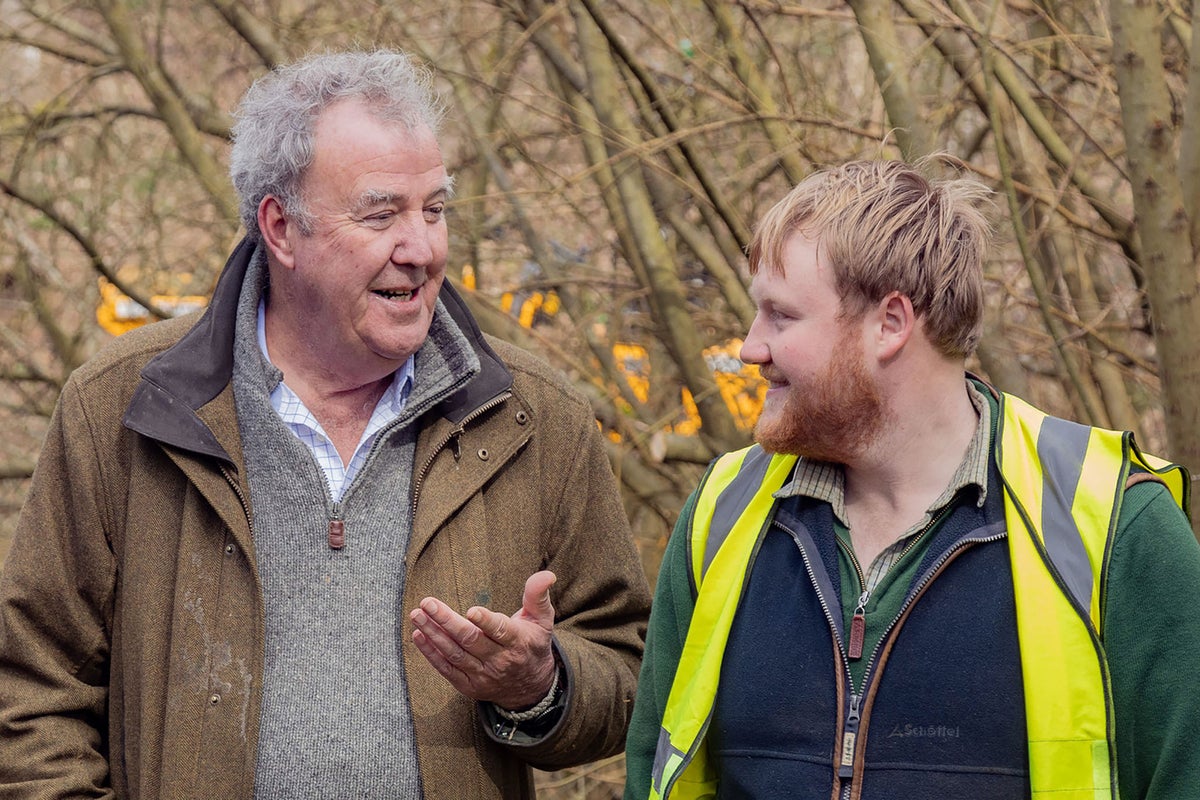
Isolation is another overlooked issue. Farming can be lonely and intensely stressful, particularly as the average age of farmers continues to rise. Community initiatives are attempting to address that gap — and Stanier credits programmes like Clarkson’s Farm with broadening public awareness.
Shows that portray the realities of agriculture, he argues, have done “an enormous amount” to widen understanding of the daily pressures farmers face. The combination of unpredictable weather, economic uncertainty and policy shifts is rarely visible to urban audiences. Increased visibility, in his view, matters.
Yet for all the difficulties, Stanier remains deeply connected to what he loves about the job. Orchards, he says, offer one of the most seasonal and quietly restorative forms of food production. Their patterns change subtly each day, creating a peaceful environment that feels both productive and healing.

Not much keeps him awake at night, he insists — especially after a full day’s work and a glass of cider pressed from their own apples. The Staniers are supported by the Big Apple Association and a strong local network, including established cider producers such as Westons, Tom Oliver’s Cider and Perry, Little Pomona and Kingsthorne. These businesses form a vital part of Herefordshire’s rural economy and identity.
For Stanier, the future of farming in the county will depend on resilience, understanding and sustained support. Herefordshire still boasts a diverse mix of farms, but that diversity cannot be taken for granted.
If traditional orchards like Dragon Orchard are to continue shaping the landscape and culture of the region, he believes, they will need more than favourable weather — they will need recognition of their value in a changing world.