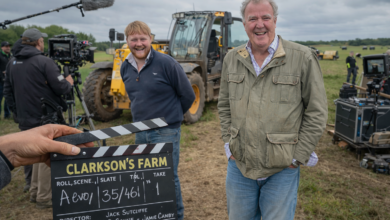
Clarkson’s Farm star has revealed a worrying update from Jeremy Clarkson’s Diddly Squat Farm in Oxfordshire.
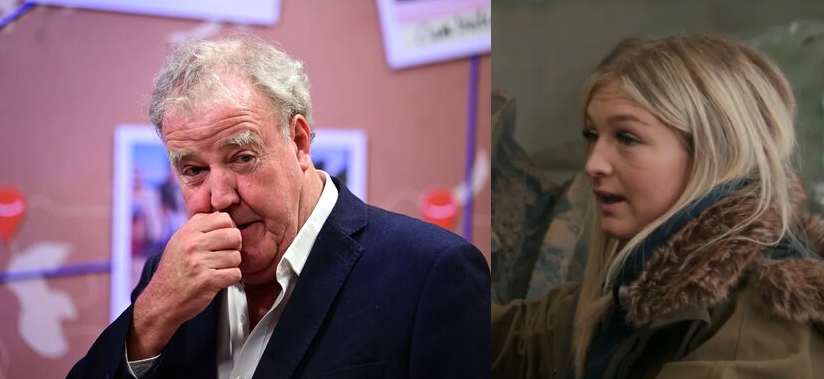
A Clarkson’s Farm star has shared a worrying update from the world of Diddly Squat, warning that farmers are facing a difficult and increasingly expensive period as weather problems and rising fuel costs continue to affect life on the land.
Harriet Cowan, who joined the Prime Video series as a temporary helping hand during the latest season, has spoken about the harsh reality behind the cheerful image many viewers associate with Jeremy Clarkson’s Oxfordshire farm. While Clarkson’s Farm often mixes humour with rural chaos, Cowan’s comments point to a much deeper concern: farming is becoming harder to predict, harder to afford, and harder to sustain.
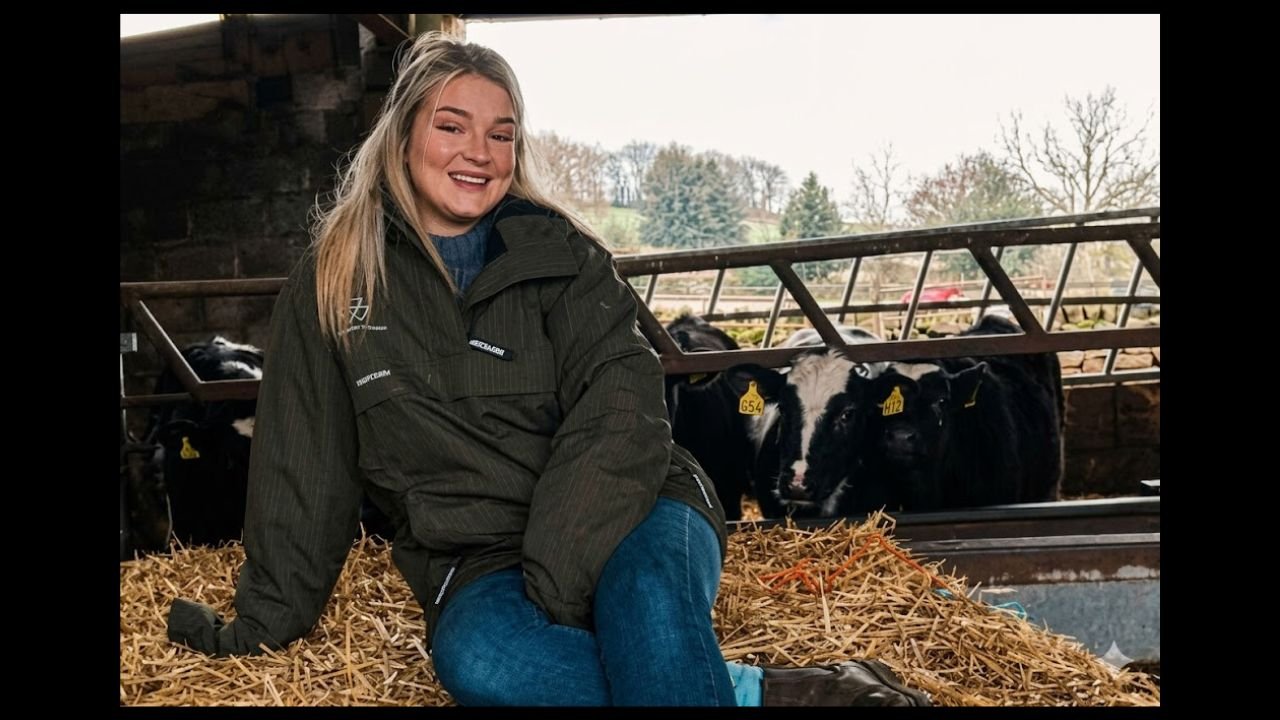
Cowan, 25, from Derbyshire, appeared in the series while long-time fan favourite Kaleb Cooper was away on tour. She stepped in to help Clarkson at Diddly Squat Farm in Chadlington, quickly winning over viewers with her practical attitude and strong farming knowledge. Although her time on screen was relatively short, she became one of the standout new faces of the season.
Now, speaking about the pressures affecting farms like Diddly Squat, Cowan has explained that the weather remains one of the biggest challenges in British agriculture.
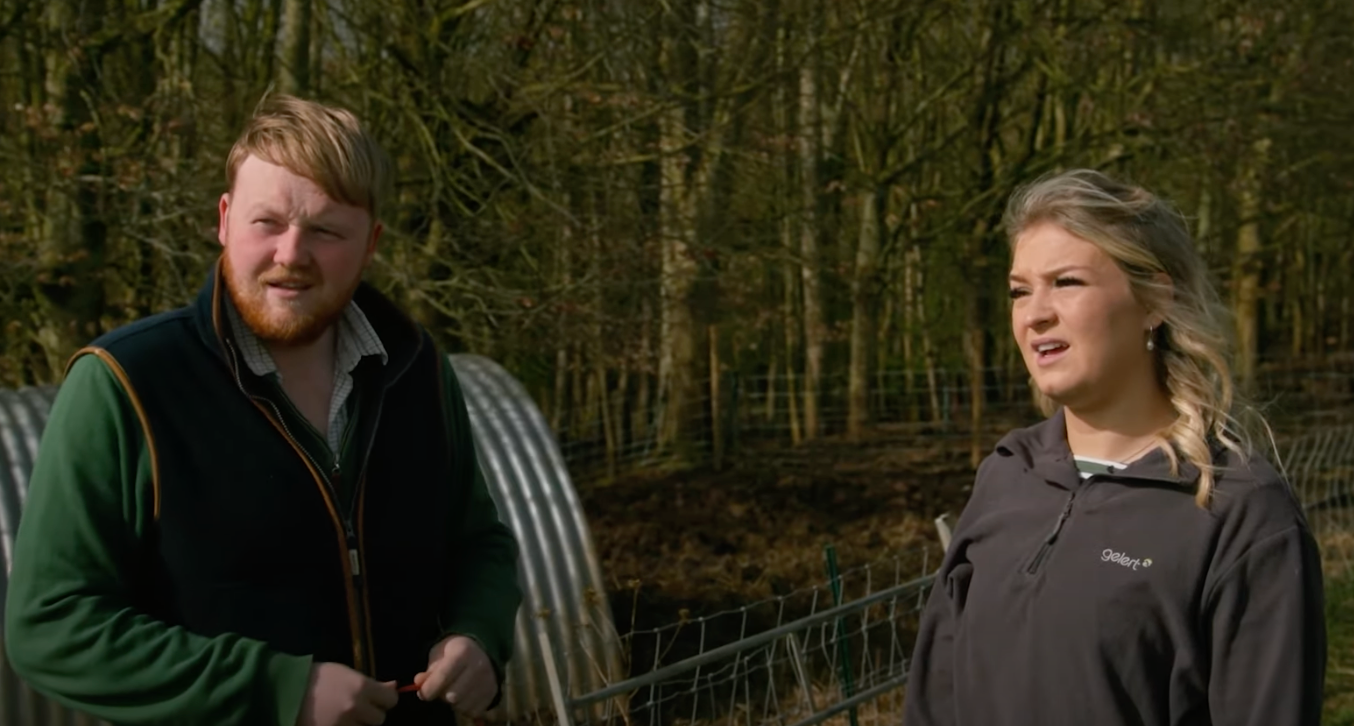
According to Cowan, farmers are constantly at the mercy of the conditions around them. A year can look promising one month, only to become financially punishing the next. She recalled how extreme heat and a lack of rain left grass scorched and useless, creating serious knock-on problems for livestock farmers.
Grass may not sound dramatic to those outside agriculture, but for farms with cattle, it is essential. It is grown, cut, dried, and stored as winter feed. When there is not enough grass, farmers must buy in extra hay. That is where the financial pressure can become severe.
Cowan explained that when supply becomes limited and demand rises, prices can climb quickly. Hay bales that might normally cost around £40 were reportedly being sold for close to £90. On a small scale, that is frustrating. On a farm with large numbers of animals, it becomes a major expense almost overnight.
For Clarkson’s Diddly Squat Farm, this kind of pressure fits a pattern viewers have already seen across the series. The show has repeatedly highlighted how fragile farming finances can be, especially when weather, regulation, supply chains, and market prices all move against farmers at once.
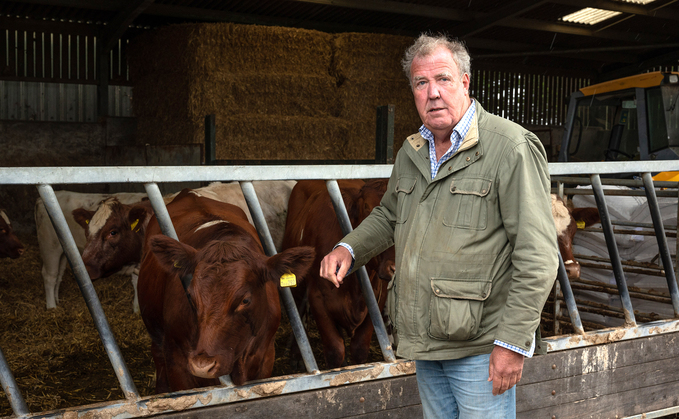
The appeal of Clarkson’s Farm has always come from its honesty. Viewers may tune in for Clarkson’s personality, Kaleb’s blunt advice, or the comic mishaps that happen around the farmyard, but the series has also revealed how difficult modern farming can be. Behind every funny exchange is a business that must survive unpredictable seasons, rising costs, and tight margins.
Cowan’s latest comments reinforce that point. She warned that the pressures are not limited to the weather. She also pointed to the rising cost of diesel, including red diesel used by tractors and other farm machinery. For farmers, fuel is not optional. It powers the equipment needed to drill fields, sow crops, move feed, transport supplies, and keep daily operations running.
When fuel prices rise sharply, the effect spreads through almost every part of the farm. A field may still need to be planted, but the cost of doing that work becomes much higher. Machinery still has to run, but every hour of use becomes more expensive. For farmers already dealing with weak yields or costly feed, the extra burden can be extremely difficult to absorb.
Cowan suggested that many people outside farming do not always see how serious the situation is. From the outside, the countryside may look unchanged. Fields remain green, animals remain in place, and supermarket shelves may still appear full. But behind that image, farmers may be struggling with the cost of producing the food people depend on.
That gap between public perception and farming reality has become one of the strongest themes around Clarkson’s Farm. Clarkson’s move into agriculture has shown many viewers that farming is not simply a rural lifestyle. It is a complex business shaped by weather, global events, government policy, local planning, and unpredictable costs.
Cowan’s future on the show remains uncertain. She previously said that the door had been left open, adding that she would be available if Clarkson needed her again, but that there were no firm plans at the time.

Even so, her short spell at Diddly Squat clearly left an impression. For many fans, she represented a new generation of farmers who understand both the practical work and the public conversation around agriculture.
With Clarkson’s Farm due to return to Prime Video in June with Season 5, Cowan’s comments add a serious backdrop to the new episodes. The series may continue to deliver humour, character clashes, and countryside spectacle, but the pressures facing Diddly Squat are very real.
As Cowan makes clear, the biggest story at the farm may not be what viewers see on screen for a few minutes. It may be the constant struggle happening behind the scenes — where every dry field, every bale of hay, and every litre of diesel can change the future of the farm.