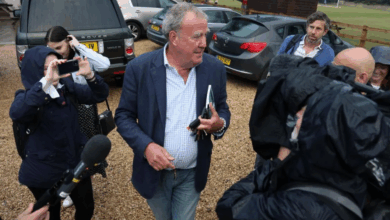
Clarkson’s Farm Star Harriet Cowan Reveals Harsh Truth: ‘I’m Not Making Any Money from Farming’
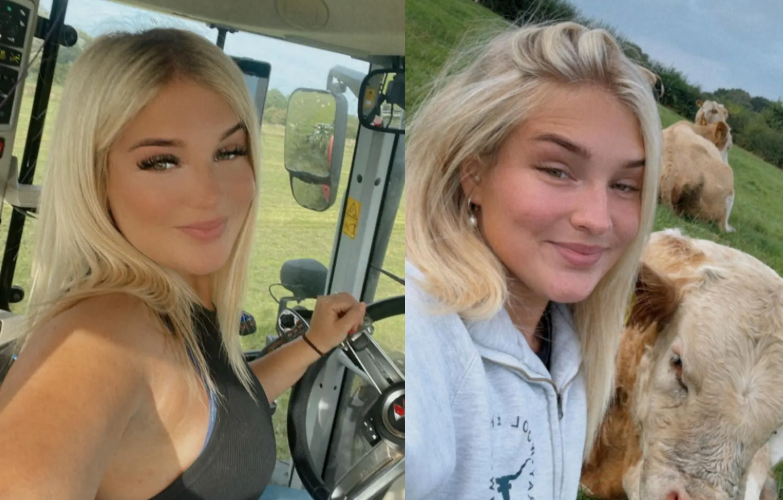
Despite becoming a fan favourite on Clarkson’s Farm, Harriet says the reality of life in agriculture is far from glamorous — and for most farmers, far from profitable.
A Fresh Face at Diddly Squat
Harriet Cowan, 24, captured viewers’ attention in the latest season of Clarkson’s Farm with her easy charm, quick wit, and impressive work ethic. She joined Jeremy Clarkson’s Diddly Squat Farm team during a transitional period, stepping in as a helping hand when fan-favourite Kaleb Cooper was away on a nationwide book tour.
Known on social media for her viral TikTok videos — often dancing atop her tractor — Harriet seemed like the perfect addition to the series. But behind the fun clips and TV moments lies a sobering reality: farming, she says, is not a path to financial security.
‘We Don’t Do This for the Money’
Speaking on BBC’s Farmwatch, Harriet laid bare the financial struggles that have long plagued the agricultural industry.
“We cannot reiterate how important this is for us — that we don’t do this because it’s going to make us money. Because probably 90% of farms do not make money from the farm. I know I don’t.”

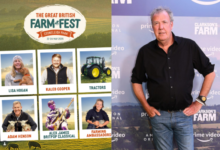
Harriet, who grew up on her grandfather’s livestock farm, explained that running a farm is more about lifestyle and passion than business profits. The earnings, she noted, rarely cover the immense labour and expenses involved.

Mike Wilkins, a guest from The Great British Bake Off, echoed her sentiments, adding that many farmers don’t even pay themselves a wage — instead reinvesting everything back into their farms.
Harriet agreed:
“We just work for free seven days a week, and it becomes such a lonely, lonely place.”
Loneliness, Pressure, and Passion
While the romantic image of rural life still draws many into farming, Harriet stressed that the day-to-day reality is relentless. Long hours, physical exhaustion, and financial uncertainty are constants. The work is a labour of love — but one that often comes with personal sacrifices.
“Profitability is so under pressure,” added Wilkins. “Most farms aren’t making any money, and people really are doing it because it’s their lifestyle.”
For Harriet, that lifestyle is in her blood. Even outside the Diddly Squat cameras, she helps with her family’s farm whenever possible. Remarkably, she juggles this commitment alongside her full-time job as a nurse — a career that offers more financial stability than the land she grew up working on.

A Brutal Year for Diddly Squat Farm
The challenges Harriet described are playing out in real time at Diddly Squat. A new season of Clarkson’s Farm is currently in production, and Clarkson has warned viewers that it will show one of the toughest years yet.
Between extreme weather and illness outbreaks — including a recent case of bovine tuberculosis — the farm’s productivity has been hit hard. The former Top Gear presenter took to X (formerly Twitter) to share his concerns:
“It looks like this year’s harvest will be catastrophic. That should be a worry for anyone who eats food. If a disaster on this scale had befallen any other industry, there would be a lot of wailing and gnashing of teeth.”
When a fan suggested that this “drama” would make for good television, Clarkson replied with a dose of reality:
“Yes. But most farms don’t have TV shows to keep them going.”
The Bigger Picture
Harriet’s candid remarks have struck a chord with both fans and fellow farmers. They highlight a deeper, nationwide issue — one where small and family-run farms struggle to survive amid rising costs, unpredictable weather, and market pressures.
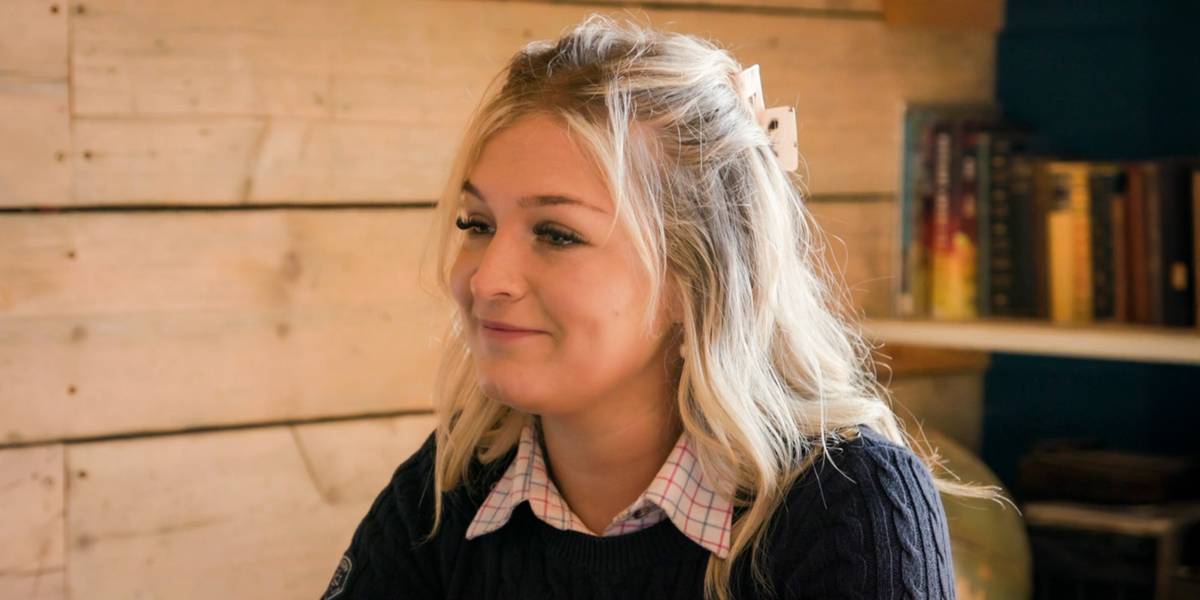
Her story serves as a reminder that behind the entertainment of Clarkson’s Farm lies a world where most agricultural workers aren’t cushioned by television fame or sponsorship deals. For them, the fight to keep their farms alive is daily and unrelenting.
As filming for the new series continues, Harriet’s openness may help shine a light on the sacrifices made by those who choose this path. And while farming may not make her rich in financial terms, it’s clear her connection to the land runs deeper than profit margins.
In Harriet’s own words, farming is “a lifestyle” — one that demands resilience, dedication, and a willingness to keep going, even when the numbers don’t add up. And for fans of Clarkson’s Farm, her honesty brings a rare and necessary reality check to a show that, at its heart, is about more than just crops, cows, and comedy.