Clarkson’s Farm in Crisis: Massive Fine, Harvest Meltdown & the Dairy Move That Changes Everything.
This Week in Farming: Farmer Fined for Cattle Tag Breaches, Clarkson’s Harvest Woes, and a Breakthrough for UK Dairy Exports
It’s been an eventful week in the world of British farming, from courtrooms to combine harvesters, with stories ranging from a hefty fine for cattle identification breaches to Jeremy Clarkson’s troubled harvest season — plus some rare good news for UK dairy exporters.
Farmer fined over cattle tag misuse
A Leicestershire farmer has been ordered to pay more than £5,000 after admitting to a string of animal health and welfare offences. James Beasley, of Krenau, appeared at Leicester Magistrates’ Court on Wednesday, 6 August, where he pleaded guilty to 20 separate breaches of cattle identification laws.


The offences included failing to report cattle deaths within the legally required seven days and reusing ear tags from animals that had already been slaughtered. In the UK, each cow must be fitted with a unique identification tag, and its movements — from birth to slaughter — must be logged. This strict system ensures that meat can be traced back to its source, a vital measure for food safety, consumer confidence, and disease control.
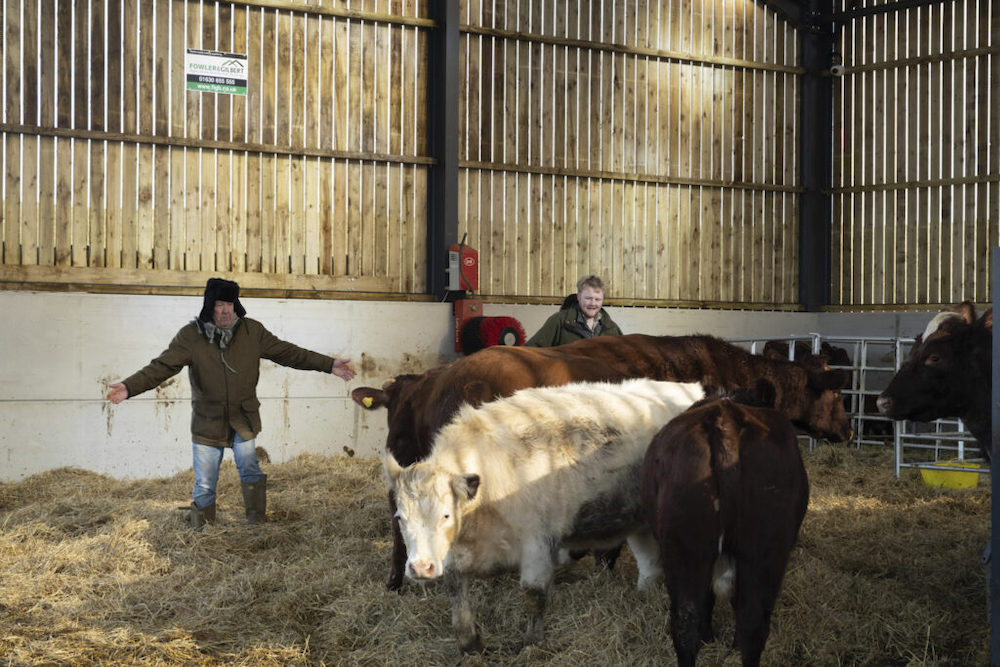
By reusing tags, Beasley undermined that traceability. However, his defence solicitor argued there had been no dishonesty or financial gain. Instead, the court heard that Beasley had been struggling to cope with the demands of running his farm while also caring for his terminally ill father, and that he had little outside help during that period.
Despite the mitigation, the court imposed a total fine of £5,289, sending a strong message about the importance of upholding animal identification laws.
Red grouse season opens amid low numbers
Tuesday marked the start of the UK’s red grouse shooting season — known as the “Glorious Twelfth” — but this year the mood is more cautious than celebratory. Following last year’s catastrophic breeding season, grouse numbers remain low in many upland areas.

Because red grouse are entirely wild and cannot be reared or released like other game birds, their populations are highly vulnerable to poor breeding years. As a result, some estates have voluntarily reduced or cancelled shoots this season to allow stocks to recover. While the sport remains controversial, advocates argue that well-managed grouse moors provide important habitat for wildlife and contribute to rural economies.
Clarkson’s catastrophic harvest and new farm shop venture
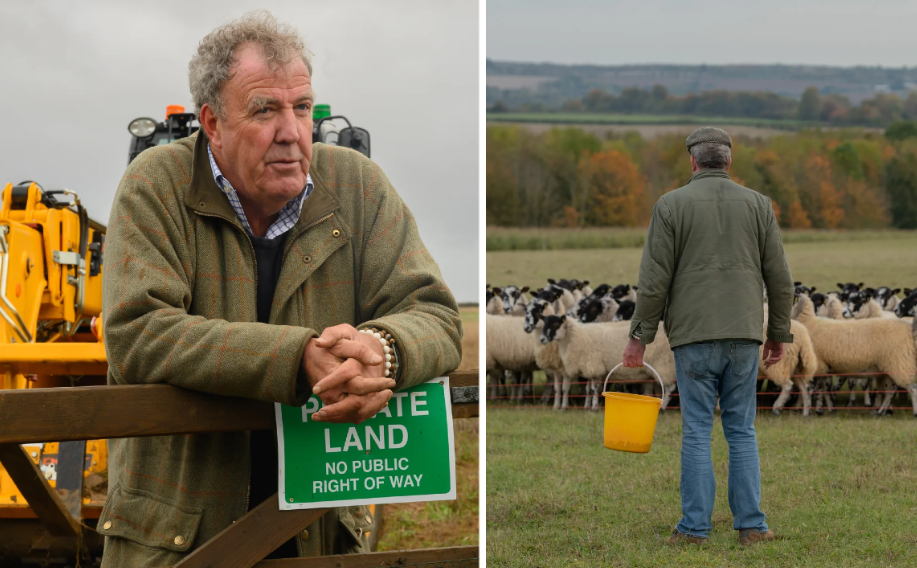
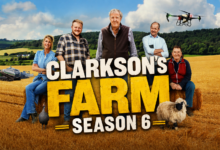
At the Diddly Squat Farm, Jeremy Clarkson has been open about the mounting pressures he faces. The TV presenter-turned-farmer revealed that this year’s harvest has been nothing short of catastrophic. Without additional income streams from his farm shop and his recently opened “Farmer’s Dog” pub, he said the farm would struggle to survive.
To make matters worse, Clarkson recently announced that his herd had been hit by bovine tuberculosis, adding further financial strain.
There was at least one small win for Clarkson this week: he may finally receive his first shipment of 100% British ketchup from “Condimaniac,” a UK producer. The former Top Gear host had previously highlighted the lack of homegrown ketchup in supermarkets, pledging that his pub would stock only UK-sourced products.

Pig sector gets new protections
Tuesday also saw the introduction of the Fair Dealing Obligations (Pig Contracts) Regulations 2025. Mirroring rules already in place for the dairy sector, these new measures aim to make pig purchase contracts more transparent and equitable. They require fair terms, protect farmers from unfair trading practices, and give producers greater control over how they sell their pigs.
Any new pig contracts must comply by 13 August 2025, while existing contracts have until 13 August 2026 to be brought into line.
UK avoids costly trade barrier in Egypt
In better news for the UK dairy industry, the Department for Business and Trade confirmed that it has averted a looming trade barrier in Egypt. Egyptian authorities had been preparing to introduce a halal certification requirement for all dairy imports in January — a move that could have added over £1,000 per shipment in costs.
Working closely with Egyptian officials, UK negotiators secured an agreement to drop the requirement, preserving an export market worth an estimated £250 million. The decision is expected to reduce costs, simplify export processes, and create new opportunities for British dairy producers.