CLARKSON’S FARM HOSTS CHAMPIONS as Norfolk students claim national crop growing title in fierce competition.
A team of agricultural students from Norfolk has achieved national recognition after winning the AICC Ceres Rural Crop Challenge 2026, held at Jeremy Clarkson’s Diddly Squat Farm in Oxfordshire. The competition, which forms part of the annual Cereals agricultural trade event, brought together students from across the UK to compete in a real-world crop-growing challenge focused on agronomic decision-making, teamwork, and precision farming techniques.
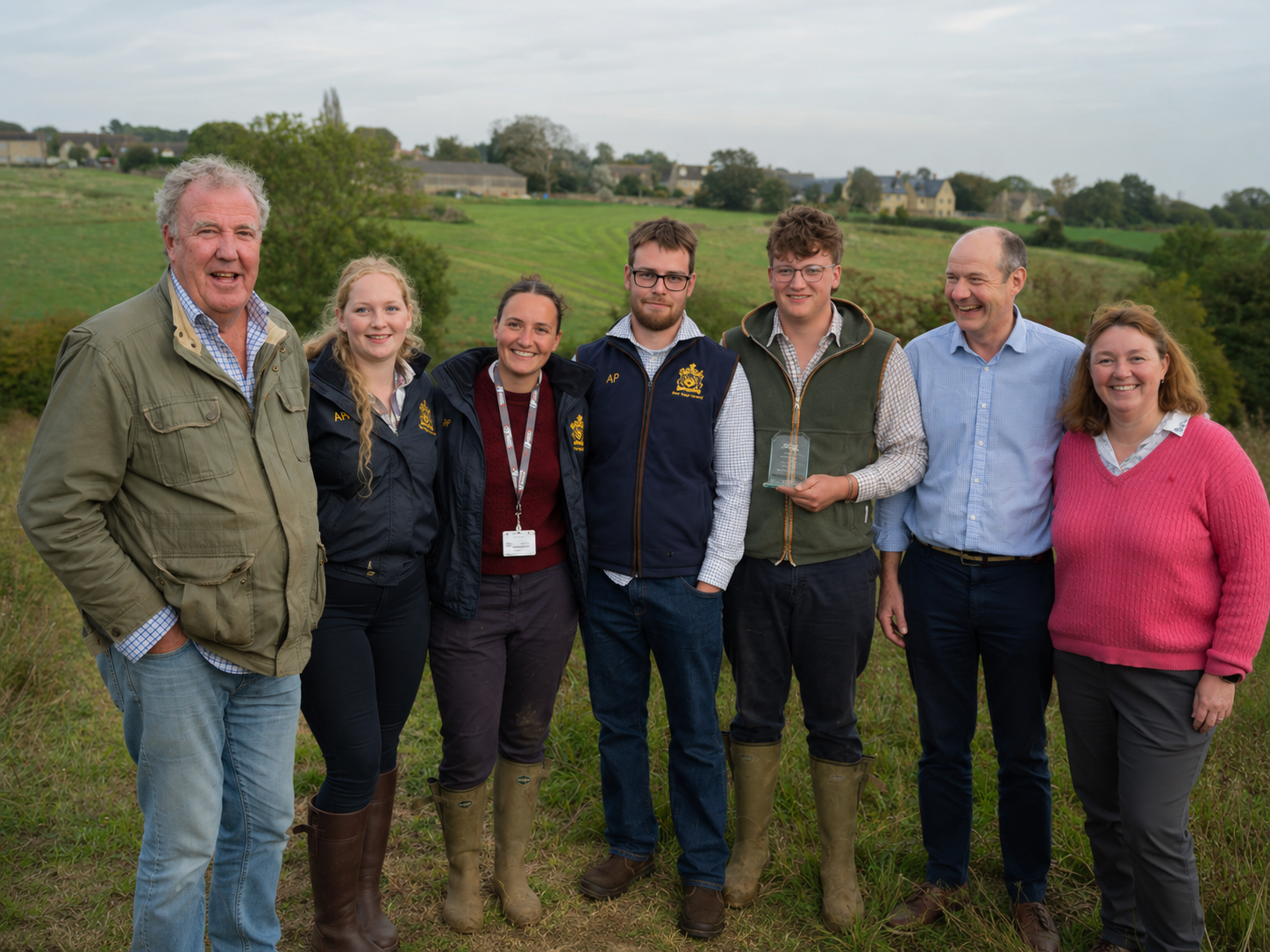
The Royal Agricultural University (RAU) team emerged as the overall winners after outperforming five other university teams in a closely judged contest involving the cultivation of Skyfall wheat. Their success marks a significant achievement for both the students and the university, highlighting the growing importance of practical agricultural education in the UK.
A HIGHLY COMPETITIVE AGRICULTURAL CHALLENGE
The AICC Ceres Rural Crop Challenge is designed to simulate real farming conditions, requiring students to manage every stage of crop production from planting to final evaluation. Teams were assessed not only on the visual quality of their wheat plots but also on their ability to make informed agronomic decisions throughout the growing season.



This included soil management, fertiliser planning, disease control strategies, and communication within each team. Judges also placed strong emphasis on collaboration, problem-solving skills, and the ability to adapt to changing conditions—key competencies in modern agriculture.
The competition was judged by Ceres Rural managing partner and Clarkson’s Farm star Charlie “Cheerful” Ireland, alongside Roger Davis of Indigro, representing the Association of Independent Crop Consultants (AICC). Their combined expertise ensured that each team was evaluated according to professional industry standards.
NORFOLK STUDENTS LEAD THE WAY
The winning RAU team consisted of four students with strong Norfolk connections: Charlie Turner (21) and Sophie Turner (24) from Howe near Poringland, Archie Pegg (21) from Cromer, and Alivia Ross (21) from North Walsham.

Working together throughout the growing season, the group demonstrated consistent performance and strong communication skills, which ultimately set them apart from competing universities.
Team leader Alivia Ross described the experience as both challenging and transformative. She highlighted how the competition closely reflected her academic studies and provided invaluable real-world exposure to crop management practices.
“The knowledge we have gained, and the connections we’ve made, through this experience really are invaluable,” she said. “I hope to pursue a career in agronomy, so I really threw myself into making sure that our team’s crop management was completed to the highest level.”
She added that the challenge helped reinforce key concepts from their degree programme, particularly in decision-making and practical agronomy.
JUDGING BASED ON REAL-WORLD FARMING STANDARDS
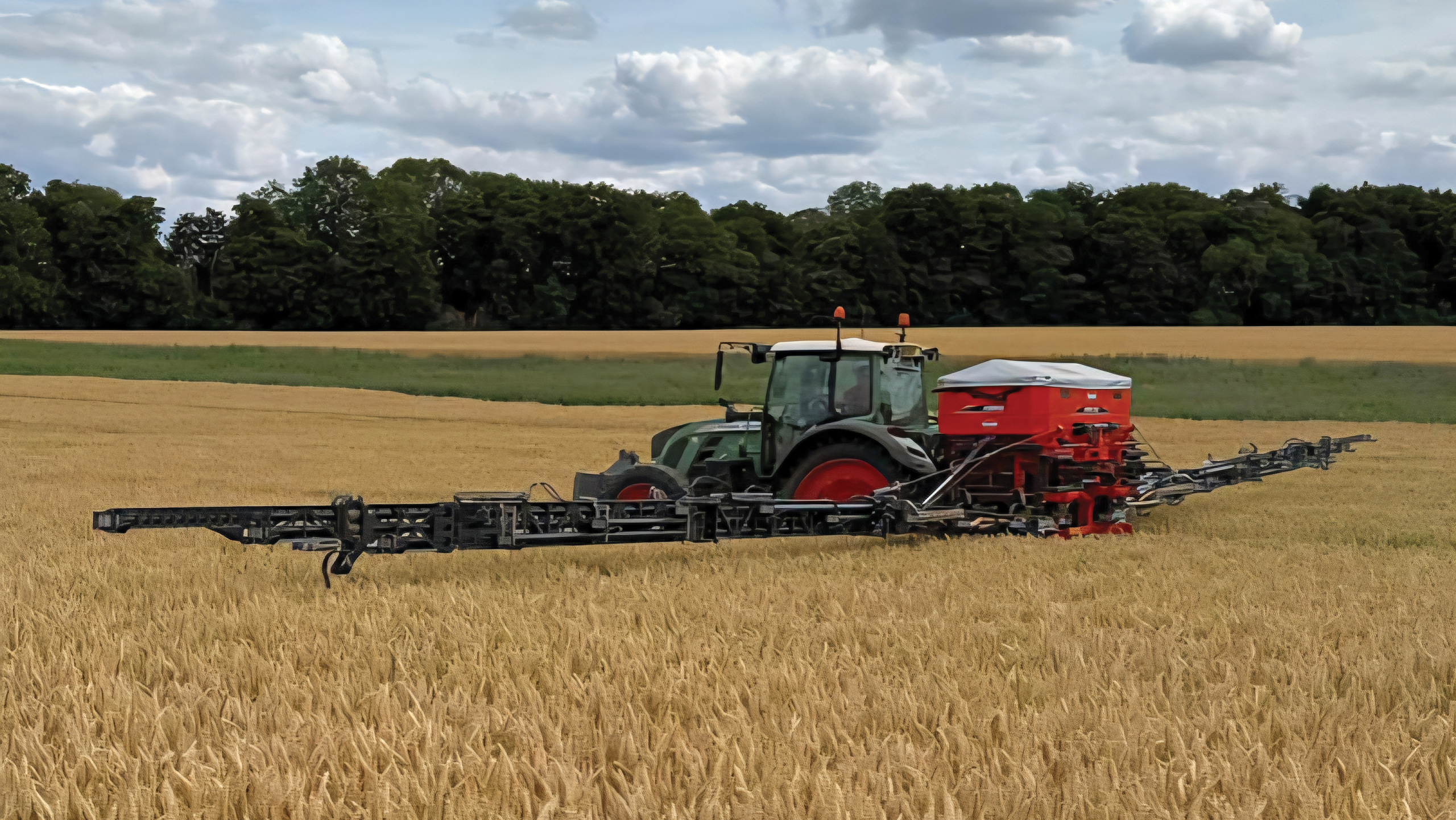
According to organisers, the judging process went far beyond simple crop appearance. Each plot of Skyfall wheat was assessed for overall health, consistency, and resilience, while teams were also evaluated on their strategic thinking throughout the season.
The judging panel emphasised that modern agriculture requires both scientific understanding and strong communication skills, particularly as farming becomes increasingly data-driven and technology-focused.
Ceres Rural managing partner Charlie Ireland noted that the competition was designed to reflect real consultancy work in agriculture, where decisions made during the growing season directly impact final yield and profitability.
PRAISE FROM ACADEMIC LEADERS
Professor Nicola Cannon, professor of agriculture at the Royal Agricultural University, praised the students for their dedication and professionalism.
“I am incredibly proud of our students,” she said. “What stood out most was their dedication, teamwork, and the care with which they approached every decision throughout the season.”
She also highlighted that the students’ success reflects the university’s commitment to combining academic learning with hands-on agricultural experience.
“This achievement is a testament not only to their technical skills, but also to their professionalism and commitment to excellence,” she added.
A COMPETITION HOSTED AT CLARKSON’S FARM
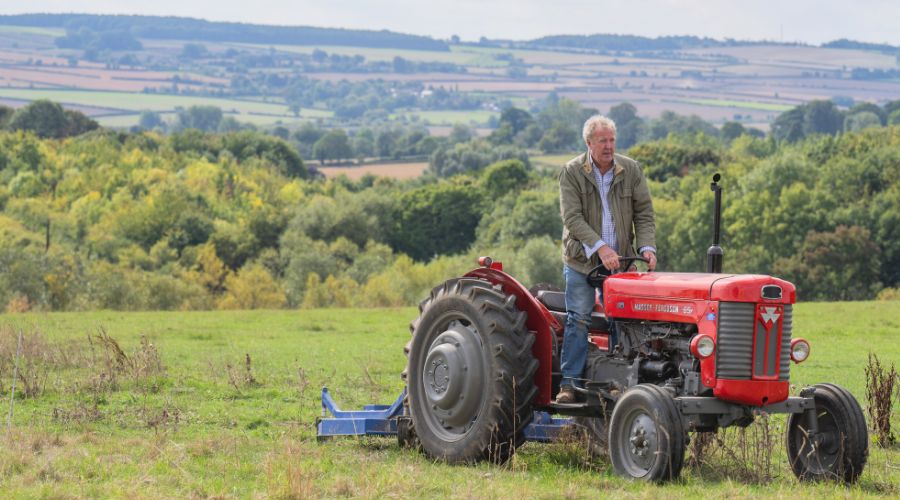
The event took place as part of the Cereals agricultural trade show, held at Jeremy Clarkson’s Diddly Squat Farm—an increasingly prominent venue for public-facing agricultural education and industry engagement.
The location added a unique dimension to the competition, blending academic agriculture with one of the UK’s most well-known modern farming sites. The presence of industry professionals, consultants, and media attention further elevated the profile of the event.

THE FUTURE OF AGRICULTURAL TALENT
The success of the Norfolk-based RAU team highlights a growing trend in UK agriculture: the rising importance of young, highly trained agronomists entering the industry with practical experience.
Competitions like the Ceres Rural Crop Challenge not only provide students with technical training but also prepare them for real-world challenges in a sector facing increasing pressure from climate change, market volatility, and technological transformation.
CONCLUSION
The victory of the RAU Norfolk team at Clarkson’s farm represents more than just a student competition win—it reflects the future direction of British agriculture. With strong teamwork, scientific understanding, and practical decision-making, these young agronomists have demonstrated the skills needed to succeed in a rapidly evolving industry.
As interest in agricultural careers continues to grow, events like this ensure that the next generation of farmers and agronomists are well-equipped to meet the challenges ahead.