Clarkson’s Farm Faces Double Blow as Jeremy Clarkson Reveals ‘Closed’ Status and Multi-Million Pound Pivot
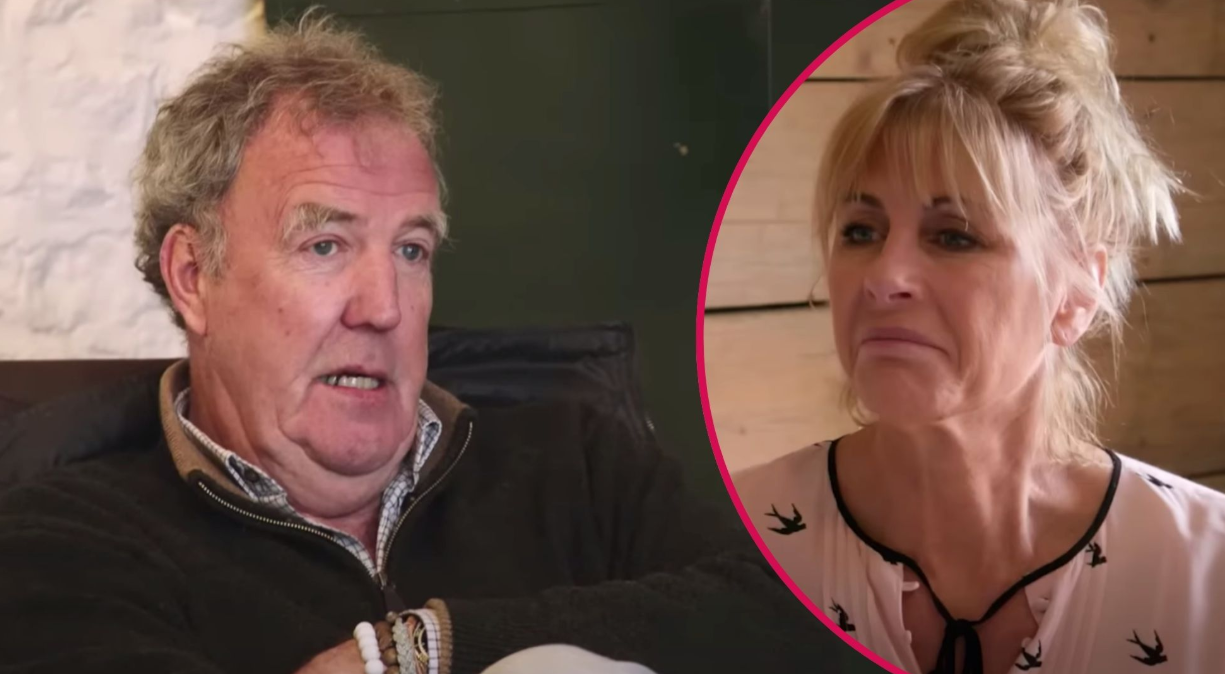
Jeremy Clarkson has delivered a sobering update from Diddly Squat Farm, revealing that production on Clarkson’s Farm has been paused — and that his agricultural operation is facing one of its most difficult periods yet.
Writing in his Sunday Times column, the broadcaster-turned-farmer admitted that while he may appear to be juggling television, publishing, brewing, and business ventures with ease, the reality on the ground is far less dynamic.
“On the face of it, I’m a busy man,” he wrote. “A human whirlwind.” But the truth, he confessed, is that filming has come to a standstill — and so has much of the farming itself.
Relentless rainfall since the start of the year has left fields waterlogged and unworkable. Planting schedules have been disrupted, machinery sits idle, and routine operations have stalled. Compounding the issue is the continued impact of bovine tuberculosis (TB), which has left his cattle herd under movement restrictions.
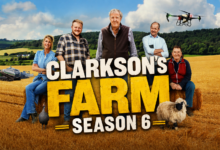
“There’s no filming happening on the farm at the moment. Or farming,” Clarkson explained bluntly. “It hasn’t stopped raining… and we’re still closed down with TB.”

The combination of environmental setbacks and livestock restrictions has created what Clarkson describes as a “problematic year” ahead — particularly from a financial perspective. Wheat and barley markets are under pressure, and he has already acknowledged that the farm is unlikely to generate profit from those staple crops this season.
Yet in typical Clarkson fashion, adversity has prompted a bold new move.
Rather than retreat, the 65-year-old has committed millions of pounds to support Britain’s struggling hop growers through his Hawkstone brewery. The venture is now purchasing output from Charles Faram Farms, one of the country’s leading hop cooperatives, in an effort to provide stability in a sector grappling with uncertainty.
Clarkson argues that without stronger government direction, domestic producers face mounting risks from fluctuating demand and imported competition. By guaranteeing contracts and long-term purchasing commitments, Hawkstone aims to offer farmers greater security.

He had considered growing hops at Diddly Squat itself, but the farm’s geography — perched roughly 1,000 feet above sea level in the Cotswolds — makes it unsuitable. “Ideally, you need deep, fertile soil and protection from the wind,” he noted. “Conditions unfortunately aren’t right.”
The investment underscores a broader strategy: if traditional arable farming margins are tightening, diversification may be the only viable route forward. Hawkstone beer, brewed using British ingredients, has become a key pillar of Clarkson’s agricultural ambitions, tying media influence directly to supply-chain support.
Despite the halt in filming, Clarkson moved to reassure fans online that the television series remains on schedule overall. Responding to social media queries about the next season’s release, he indicated that while filming pauses have occurred, production timelines are not derailed.
The candid interaction — typical of his direct, unfiltered style — highlights the balancing act between transparency and maintaining viewer anticipation.

For followers of Clarkson’s Farm, the update adds a layer of realism to a show already praised for exposing the unpredictability of modern agriculture. Weather volatility, disease outbreaks, and market instability are not scripted plotlines — they are the daily realities shaping Britain’s rural economy.
Clarkson’s admission that “we won’t make money on wheat and barley” reflects a sobering truth for many farmers facing tight margins and rising costs. His hop investment, meanwhile, signals an attempt to turn vulnerability into opportunity.
As Diddly Squat navigates rain-soaked fields and livestock restrictions, one question looms: can strategic diversification offset a season battered by forces beyond control?
If Clarkson’s Farm has consistently demonstrated anything, it is that agriculture rarely unfolds according to plan. And as filming resumes in clearer conditions, viewers may soon witness firsthand how this turbulent chapter reshapes both the farm’s finances and Clarkson’s evolving role within Britain’s farming landscape.