Clarkson, Hammond, and May Set for £24 Million Windfall as Grand Tour Company Winds Down
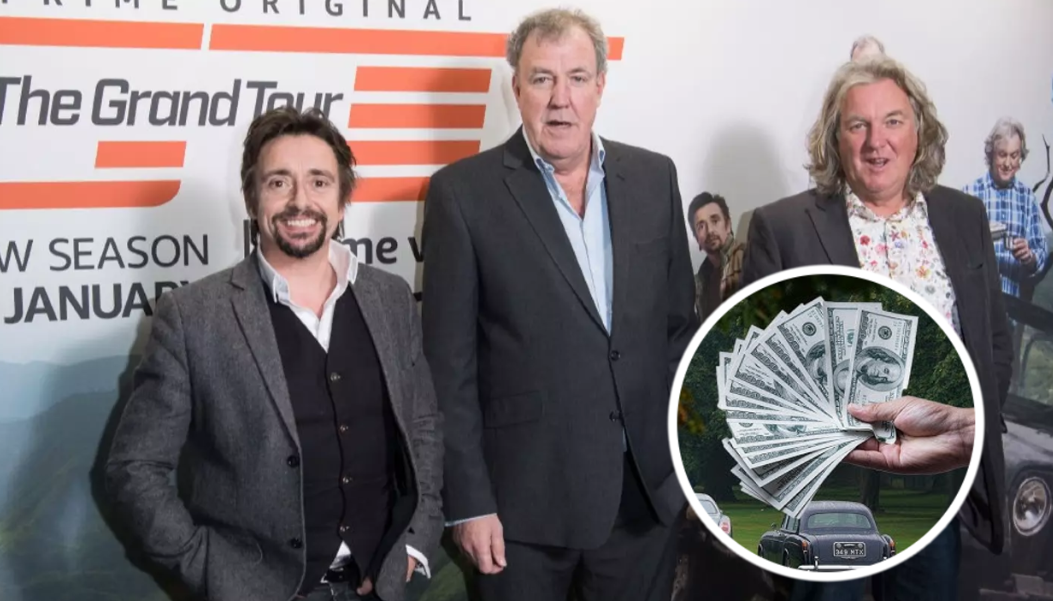
After more than two decades of high-octane adventures, globe-trotting road trips, and roaring engines, Jeremy Clarkson, Richard Hammond, and James May may be looking at one last big payday together. Newly published company documents suggest the former Top Gear and Grand Tour hosts could each walk away with around £6 million as their joint production company, W Chump & Sons, is officially liquidated.
The End of an Era
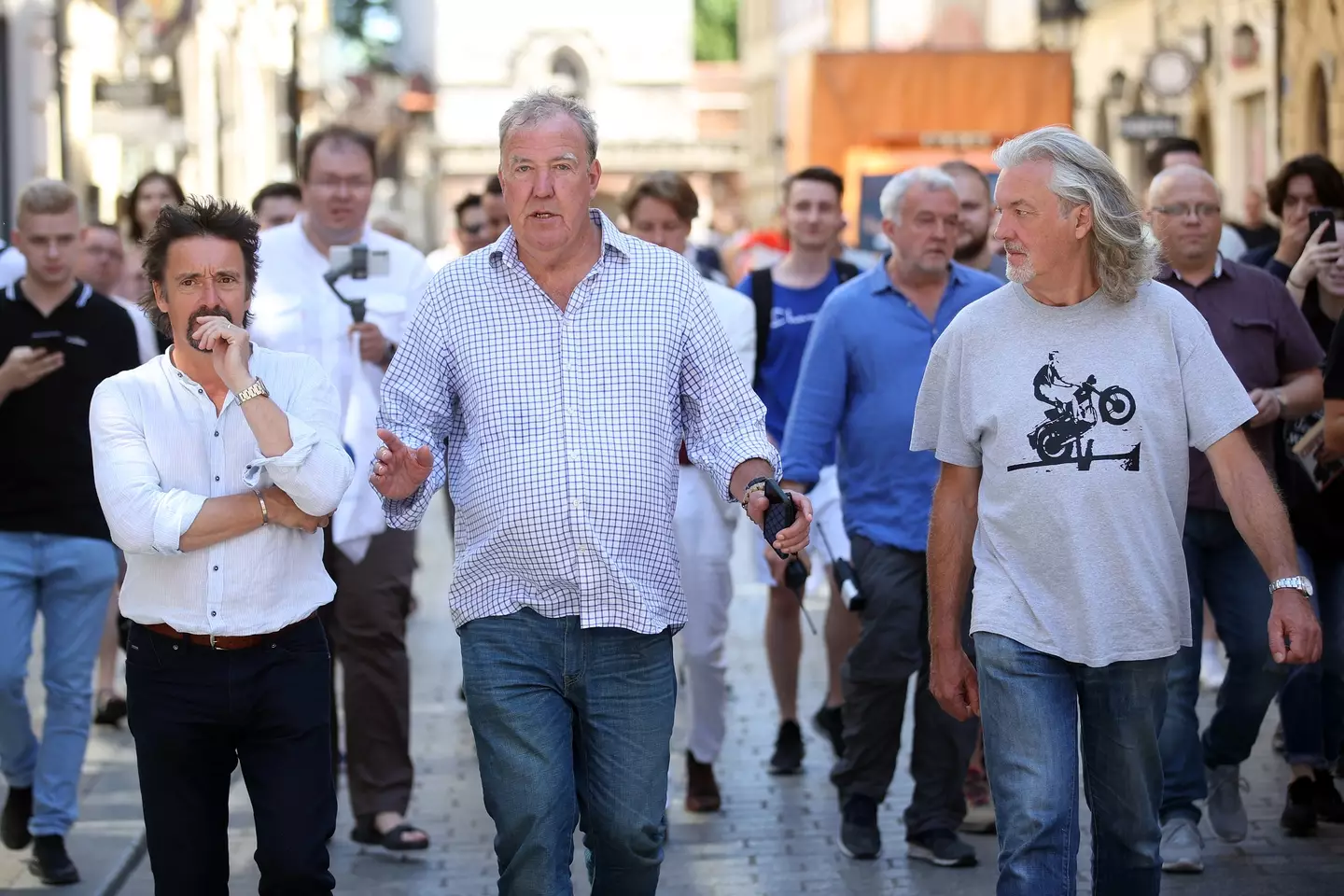
The trio first came together as the core presenters of the BBC’s Top Gear, transforming the motoring show into one of the most successful entertainment programs in the world. Their chemistry—Clarkson’s wit and abrasiveness, Hammond’s energy, and May’s calm intellect—drew millions of viewers.
But after Clarkson’s departure from the BBC in 2015 following a widely publicized fallout, the trio regrouped and launched The Grand Tour on Amazon Prime in 2016, working alongside long-time collaborator and executive producer Andy Wilman.
The series ran until 2024, featuring a string of exotic locations, ambitious road trips, and comedic challenges. It was seen as a worthy successor to Top Gear, cementing their legacy as a team.
The Company Behind the Show
To manage their new venture, Clarkson, Hammond, May, and Wilman founded the production company W Chump & Sons Ltd on July 2, 2015. This company became the backbone of The Grand Tour, handling production and financial aspects while giving the four men greater control over their work compared to their BBC days.
Now, records from Companies House show that as of September 1, 2025, liquidators have been appointed to wind down the company. At the time of liquidation, the company reportedly held assets worth just over £24 million.
If split evenly between the four directors, each of the men could receive a payout of around £6 million.
A Lucrative Farewell
For fans, the liquidation is a bittersweet milestone. On one hand, it represents the closing of a chapter that saw Clarkson, Hammond, and May dominate the automotive entertainment industry for nearly 25 years. On the other, it highlights the staggering success of their venture—financially and culturally.

Reports suggest that the winding up of W Chump & Sons is the clearest indication yet that the trio will not be working together on future television projects. Their most recent Grand Tour finale, One for the Road, was widely promoted as their final on-screen journey as a team.
Life After The Grand Tour
Although their joint television adventure appears to be over, all three presenters remain active in their individual pursuits:

-
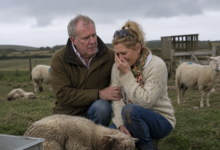
Jeremy Clarkson has found a second act in farming with the smash-hit Amazon Prime series Clarkson’s Farm. The show, which follows his often chaotic attempts to manage his 1,000-acre farm in Oxfordshire, has been renewed for a fifth season and continues to attract millions of viewers worldwide.
-
Richard Hammond has been busy with his car restoration business, The Smallest Cog, which also featured in a Discovery+ series. The venture allows Hammond to indulge his lifelong passion for classic cars while building something that reflects his personality and interests.
-
James May has diversified beyond motoring. He has invested in his own gin brand and is currently focused on his pub business, while also continuing occasional TV work. Known as “Captain Slow,” May has embraced a quieter lifestyle compared to the hectic filming schedules of his past.
The Legacy Lives On
While the liquidation of W Chump & Sons signals the official end of their joint venture, the legacy of Clarkson, Hammond, and May is firmly established. From redefining car television on Top Gear to reinventing themselves with The Grand Tour, they entertained millions, sparked countless debates, and became cultural icons in their own right.
Now, with a reported £24 million to divide among them, the trio and their long-time producer are reaping the rewards of nearly a decade of independent production. Fans may never see the three back on screen together, but their influence on television—and on car culture—will be felt for decades to come.