Bovine TB crisis worsens: Oxford scientist warns: Clarkson Farm could be just the beginning. Urgent action required
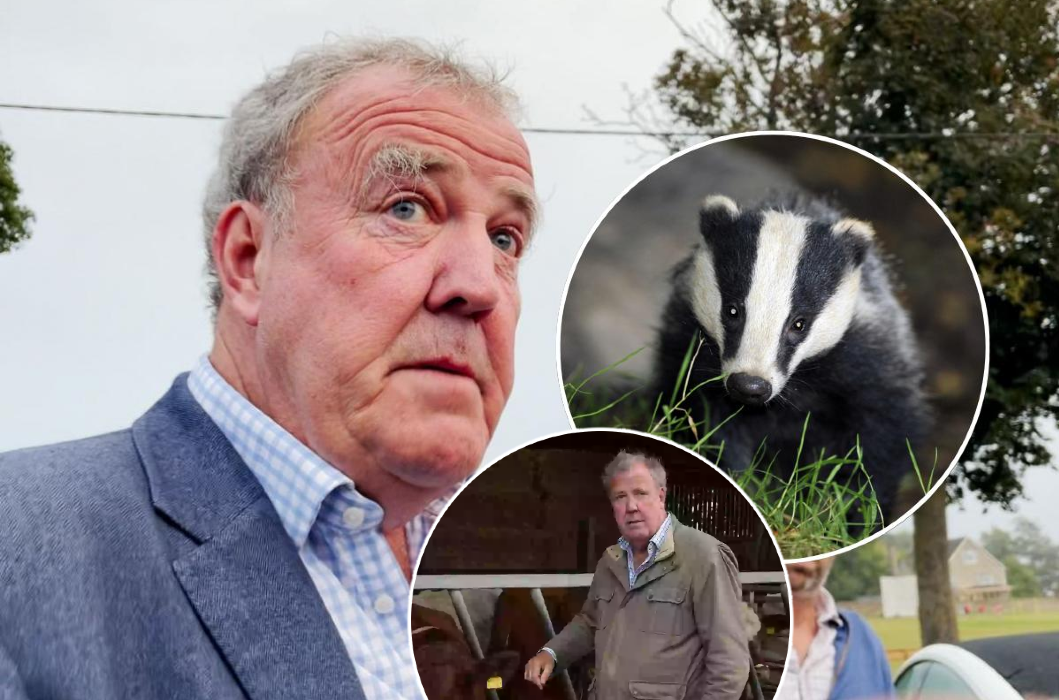
Clarkson’s Farm Puts Bovine TB Back in Spotlight as Oxford Scientist Demands Urgent Action
The fight to eradicate bovine tuberculosis (TB) in England has taken on renewed urgency after an Oxford scientist warned that the country risks missing its target of becoming TB-free by 2038.
The disease, which devastates cattle herds and cripples farm businesses, recently came to public attention again when Jeremy Clarkson’s Diddly Squat Farm in Chadlington reported TB cases. For farmers, the issue is not only a financial nightmare but also a deeply emotional struggle—one that affects livelihoods, mental health, and the survival of rural communities.
A Costly and Controversial Crisis
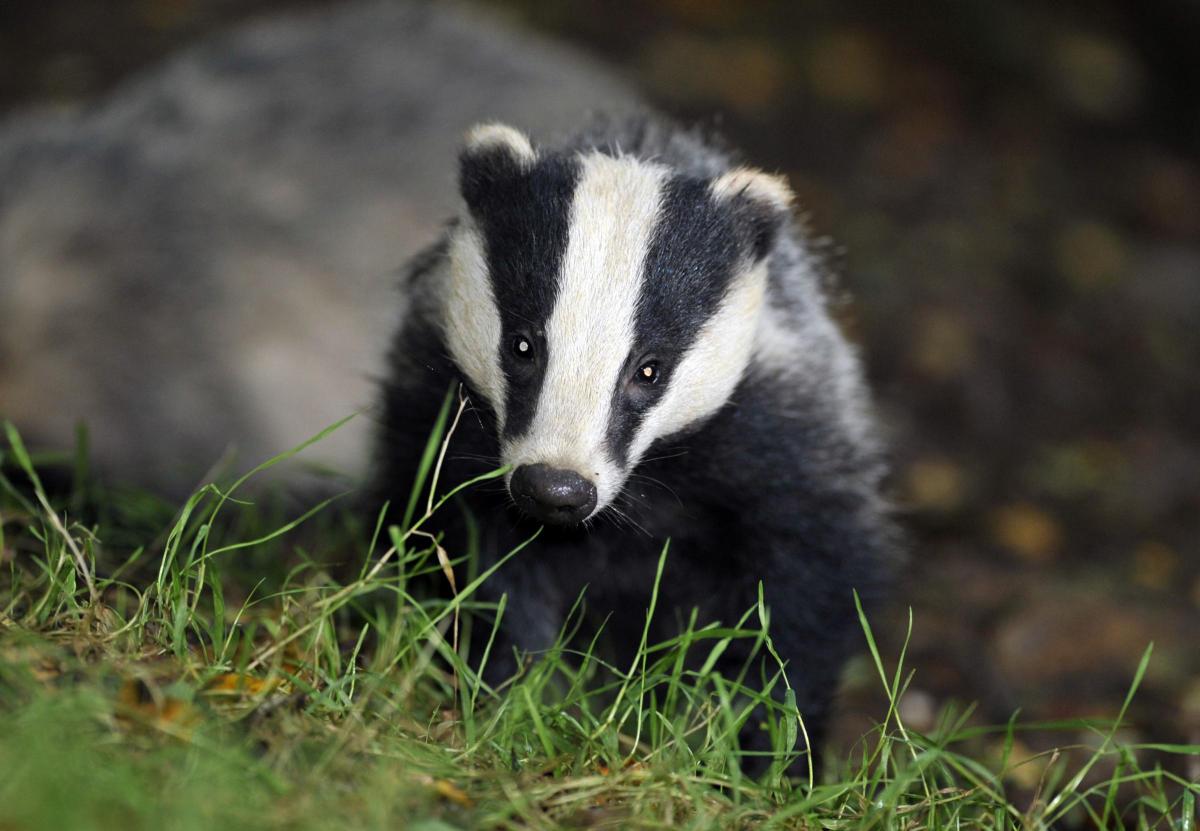
Bovine TB spreads both from badgers to cattle and between cows themselves. Efforts to control it cost taxpayers around £100 million every year, with the farming industry shouldering an almost equal financial burden. For decades, the government’s approach has relied heavily on culling badgers, a practice that has sparked fierce opposition from wildlife advocates and animal welfare groups.

Among the most vocal critics is Queen guitarist and animal rights activist Sir Brian May, who has long argued that the policy is both cruel and ineffective. Earlier this year, ministers announced that the government would phase out badger culling before the next election, a move welcomed by campaigners but leaving farmers concerned about what will replace it.

So far, hundreds of thousands of cattle and badgers have been compulsorily slaughtered in an effort to contain the spread, but the results have been far from conclusive.
“Step Change” Needed, Says Oxford Scientist
On Thursday, a panel of leading scientists released an updated report on England’s TB eradication strategy at the request of the government. Professor Sir Charles Godfray of the University of Oxford, one of the experts behind the report, was blunt in his warning: achieving TB-free status by 2038 is possible—but only with a dramatic shift in urgency.

“We need a step change… in the urgency in which we treat this disease, and the resources devoted to eradication,” he said.
Drawing a parallel to the COVID-19 pandemic, Sir Charles noted how concentrated effort, investment, and scientific innovation accelerated progress against the virus. While he was careful to stress that bovine TB is not comparable in scale or severity to Covid, he argued that it deserves the same kind of commitment in order to meet the government’s ambitious target.
Searching for Alternatives: Vaccines and Biosecurity
Scientists believe it is possible to meet the 2038 goal without further badger culling—but doing so will require “considerable effort” in non-lethal measures. These include expanding badger vaccination programs, improving farm biosecurity, and speeding up approvals for cattle vaccines.

A newly developed bovine TB vaccine is currently awaiting licensing, and experts have urged the government to accelerate the process. They argue that vaccinating cattle directly would mark a turning point in the decades-long battle against the disease.
For farmers, time is running out. Each outbreak means financial losses, emotional stress, and the painful culling of healthy animals. “It’s not just about economics,” Sir Charles emphasized. “It’s about farmers’ livelihoods, mental health, and the impact on rural communities, as well as the wider ecological issues.”
Government Response
Farming Minister Daniel Zeichner acknowledged the scale of the challenge but promised that the government would take the report’s recommendations seriously.
“Early next year, we plan to publish a comprehensive new strategy that will set out how we will eradicate this disease by 2038,” Zeichner said. “We know this will be challenging, and Sir Charles Godfray’s independent report will be key to informing the future strategy. We will now consider the report’s findings.”
Clarkson’s Farm and Public Awareness
Jeremy Clarkson’s Clarkson’s Farm has inadvertently played a role in raising public awareness about the issue. When TB cases were reported at his Oxfordshire farm, viewers of the hit Amazon Prime series saw firsthand the devastating effects the disease can have on small farming businesses. By putting a spotlight on the crisis, Clarkson has helped translate an often technical, scientific issue into something audiences can see and understand.
The Road Ahead
Whether through badger vaccinations, cattle immunizations, or stricter biosecurity, the road to eliminating bovine TB by 2038 will not be easy. What is clear, however, is that half measures are no longer enough. Scientists, farmers, and policymakers now face a pivotal choice: treat the disease with the urgency of a national crisis, or risk failing to meet the target altogether.
For farmers like Clarkson and countless others, the stakes could not be higher.