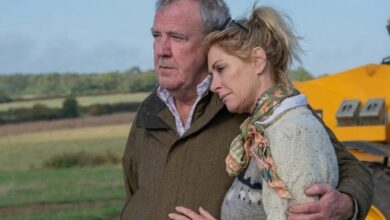
A Devon Dairy Farm Closes After 25 Years: The Harsh Reality Behind Britain’s Milk Crisis
A dairy farm in Devon has shut its gates for the final time, marking the end of a 25-year operation that once symbolised hard work, tradition, and rural resilience. Last week, 120 cows were sold at auction as the farmer behind the business was forced to walk away—not with retirement comfort, but with mounting debt and a difficult decision made after years of financial strain.
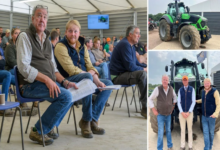
The sale, held last Tuesday, drew a crowd of local farmers, traders, and onlookers. Some came to bid on livestock and equipment, hoping to expand their own operations. Others came simply to witness what many described as “another farm disappearing from the landscape.” The atmosphere, according to attendees, was quiet and heavy, reflecting a wider sense of unease in the British dairy sector.
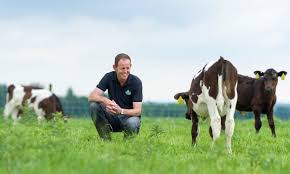
The farmer, aged 58, had spent most of his life dedicated to milk production. His routine was relentless: 3am starts, seven days a week, no holidays, and constant responsibility for livestock that depended entirely on him. Despite decades of commitment, the financial reality eventually became impossible to sustain.
At the heart of the collapse was a simple but devastating imbalance. The farm was producing milk at a cost of approximately 40p per litre, while the market price paid was only around 32p per litre. That 8p loss on every litre, sustained over three years, slowly eroded every financial buffer the business had.
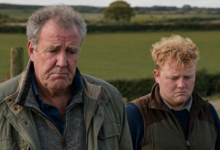

To survive, the farmer borrowed repeatedly—first from banks, then from family, and eventually from anyone willing to extend credit. Each loan was taken in the hope that conditions would improve, that milk prices would rise, or that input costs would fall. But none of those expectations materialised. Instead, costs continued to climb while returns remained stagnant.
Eventually, the financial pressure became unsustainable. Last month, the bank refused to extend further credit, effectively ending any possibility of keeping the farm operational. The decision triggered the liquidation process: cows were sent to auction, machinery was sold off, and the farm itself will now be rented out to a larger agricultural business.
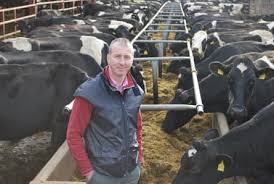
In a striking personal twist, the farmer has now taken a job driving a lorry—an occupation he says pays more, requires fewer hours, and allows him to finally step away from the exhausting cycle of dairy farming. While the job change brings financial relief, it also represents the end of a way of life built over decades.
The closure has reignited debate about the sustainability of Britain’s dairy industry. Farmers across the country face similar pressures: rising feed costs, volatile milk prices, energy inflation, and increasingly tight margins. Many argue that while supermarkets and retailers continue to promote British dairy products with national branding, the economic reality at farm level tells a very different story.
Industry observers warn that this case is not an isolated incident. Instead, it reflects a broader structural issue in which production costs regularly exceed farmgate prices, leaving many dairy operations operating at a loss. Without meaningful changes to pricing structures or government support mechanisms, more closures are expected.
For rural communities, the impact goes beyond economics. Each farm closure represents not only lost production but also the disappearance of generations of local knowledge, labour, and identity tied to the land.
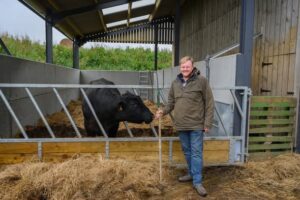
As one era ends in Devon, the question now facing the wider agricultural sector is increasingly urgent: how many more dairy farms can disappear before the system itself is forced to change?