Prince William’s 600-Acre Farm Hits the Market: What It Means for British Agriculture
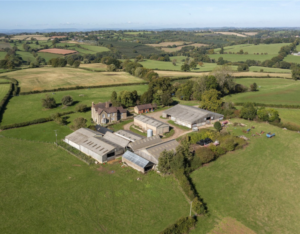
Prince William, heir to the British throne, has put a 600-acre farm in Herefordshire up for sale with a guide price of £6.65 million. The farm, located in Cradley near Ledbury, includes an eight-bedroom farmhouse, extensive farm buildings, and productive pasture and arable land. The sale comes as part of the Duchy of Cornwall’s ongoing efforts to “rebalance its portfolio” to maximize social and environmental impact, according to a spokesperson.
While the Duchy describes this as a strategic, long-term decision, many British farmers are left questioning what the sale signals about the future of agriculture in the country. Land prices have soared to approximately £18,000 per acre, putting ownership beyond the reach of most young farmers. The average farmer earns around £25,000 annually while working up to 80-hour weeks, making large purchases like this nearly impossible for newcomers to the field.
Prince William has previously emphasized that the Duchy is not a “traditional landowner” and that its holdings should serve a broader purpose. Over the next decade, the Duchy plans to sell off 20% of its properties—worth £500 million—to fund affordable housing and environmental initiatives. While this approach sounds beneficial in theory, it has caused concern in the farming community, where the sale of a high-profile estate sends a symbolic message that even the royal family may be stepping back from traditional farming.
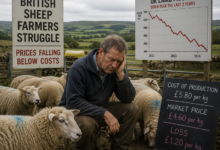


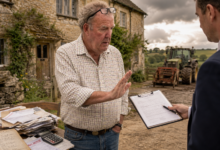
The local farming perspective is stark. Gareth Wyn Jones, a BBC reporter who covers agricultural issues, stated that government policies over the past 25 years have “absolutely crushed the industry.” With an average farmer age of 67 and few young people willing to take on the work, the sale of a 600-acre royal farm highlights the mounting challenges of entering the agricultural sector. Even with assurances that existing tenants will receive support, the perception is that British farming is increasingly being abandoned by those who have the resources and influence to sustain it.
The government has recognized the urgency of these issues, with an upcoming food security debate in Parliament. Sixty MPs are set to speak on the matter, and public sentiment overwhelmingly supports domestic agriculture, with 93% of citizens agreeing that food production is critical. Despite this, the message conveyed by a royal land sale is hard to ignore. If the heir to the throne can sell a productive farm, it raises doubts for young farmers considering whether entering the profession is worthwhile.
This sale underscores the complex pressures facing British agriculture today: rising land costs, an aging workforce, and the perception that even the most privileged landowners are stepping away. It also poses a question of symbolic importance: if the future king is divesting from farming, what hope remains for the next generation? While the Duchy focuses on broader social and environmental goals, the farming community is left to navigate a landscape that feels increasingly out of reach.
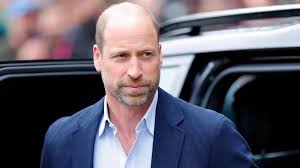
As the market prepares for this high-profile transaction, the broader conversation is clear. British agriculture is at a crossroads, and the sale of the Prince of Wales’ farm may serve as both a warning and a call to action for young farmers, policymakers, and the public alike.