TOP 10 SECRET OAK ISLAND DISCOVERIES THAT WERE NEVER MEANT TO BE REVEALED.
For more than two centuries, Oak Island has been a magnet for mystery hunters, treasure seekers, and conspiracy theorists. What began as a simple curiosity dig in Nova Scotia has evolved into one of the longest-running treasure hunts in modern history. Yet, despite decades of excavation and television coverage, many discoveries from the island remain surrounded by secrecy, ambiguity, and unanswered questions.

Some finds are well documented. Others, however, are only partially explained—or quietly set aside as “inconclusive.” And in the world of Oak Island, that label often raises more questions than it answers.
Here are ten of the most intriguing discoveries from Oak Island that continue to fuel speculation—and, according to some theories, were never meant to be fully revealed.
1. THE MONEY PIT’S MYSTERIOUS LAYERING SYSTEM
One of the earliest discoveries that sparked the entire Oak Island legend was the unusual layering system found in the Money Pit. Workers reported alternating layers of soil, charcoal, and wooden platforms at regular intervals, suggesting a deliberately engineered structure rather than natural formation.




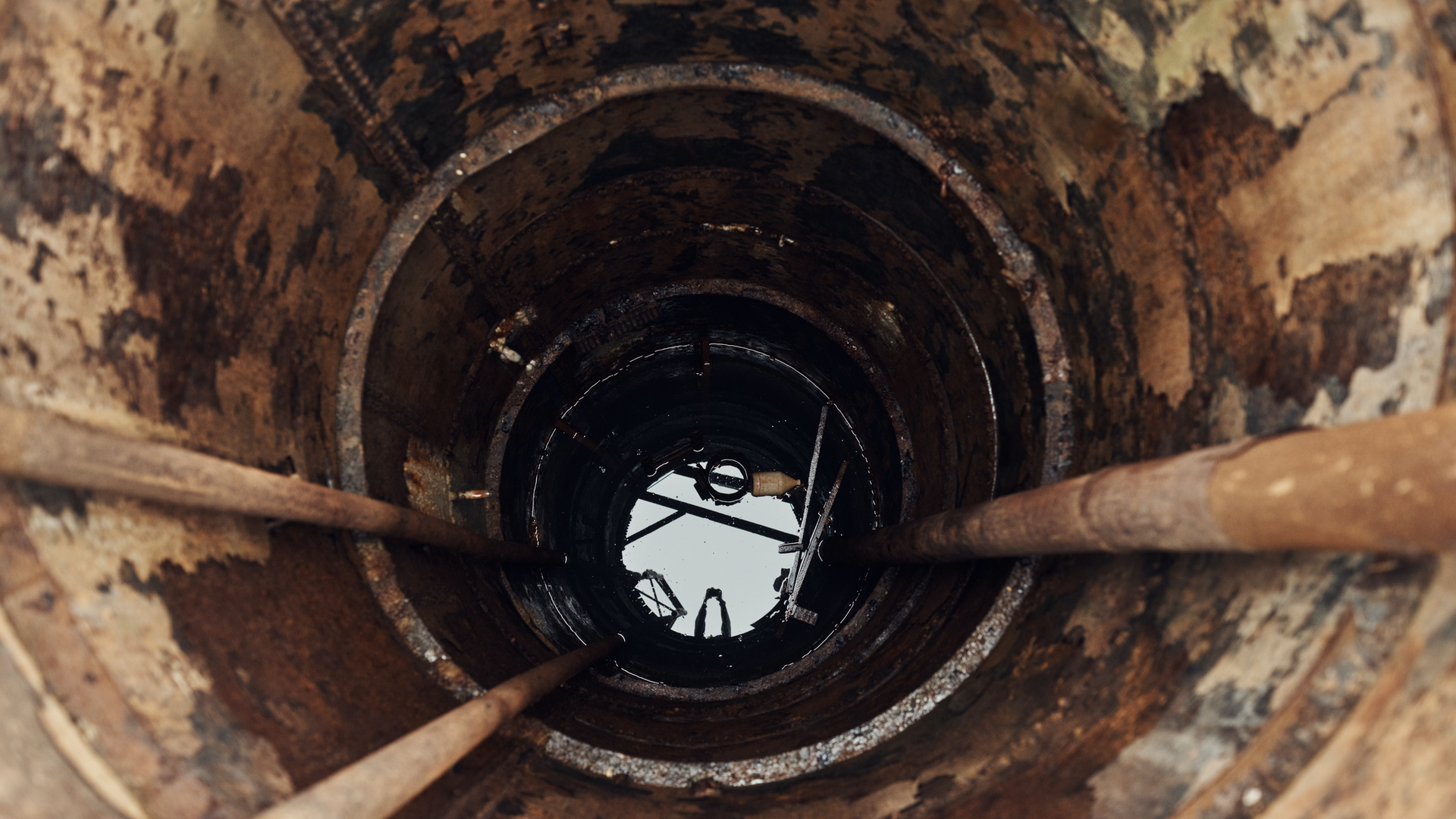
Despite extensive excavation, the full purpose of this design remains unclear. Was it a protective vault system—or something more complex?
2. THE FAMOUS “90-FOOT STONE”
A stone slab reportedly discovered around 90 feet deep contained carved symbols that some claim point to hidden treasure. Although interpretations have varied widely over the years, the stone itself was never preserved in a verifiable, publicly accessible form.

Its disappearance has led to decades of speculation about what it truly said—and why it vanished from the record.
3. ARTIFICIAL TUNNEL SYSTEMS UNDER THE ISLAND
Modern excavations have revealed a network of tunnels beneath Oak Island, many of which appear to be man-made. These tunnels are believed to have been constructed using advanced engineering techniques for their time.
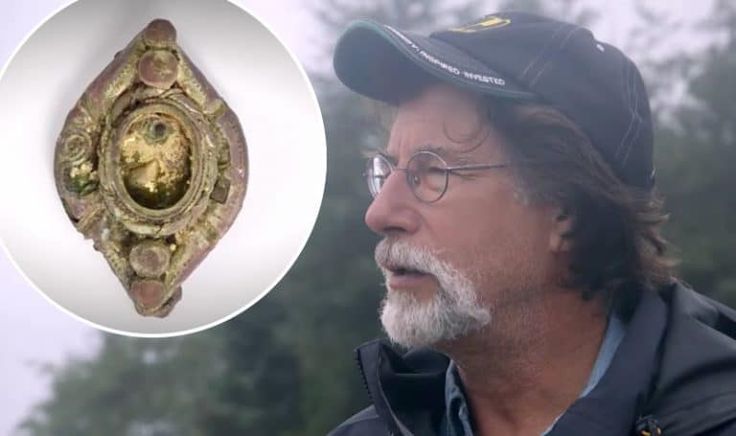
However, mapping the full extent of this underground system has proven nearly impossible due to flooding and structural instability.
4. HIGH METAL CONCENTRATIONS IN WATER SAMPLES
Testing conducted in various shafts has revealed unusually high levels of metals, including gold and silver traces in water samples. While some scientists argue this could be geological, others believe it may indicate decayed or submerged artifacts.
The source of these readings has never been conclusively identified.
5. THE “BOX DRY” VAULT THEORY EVIDENCE
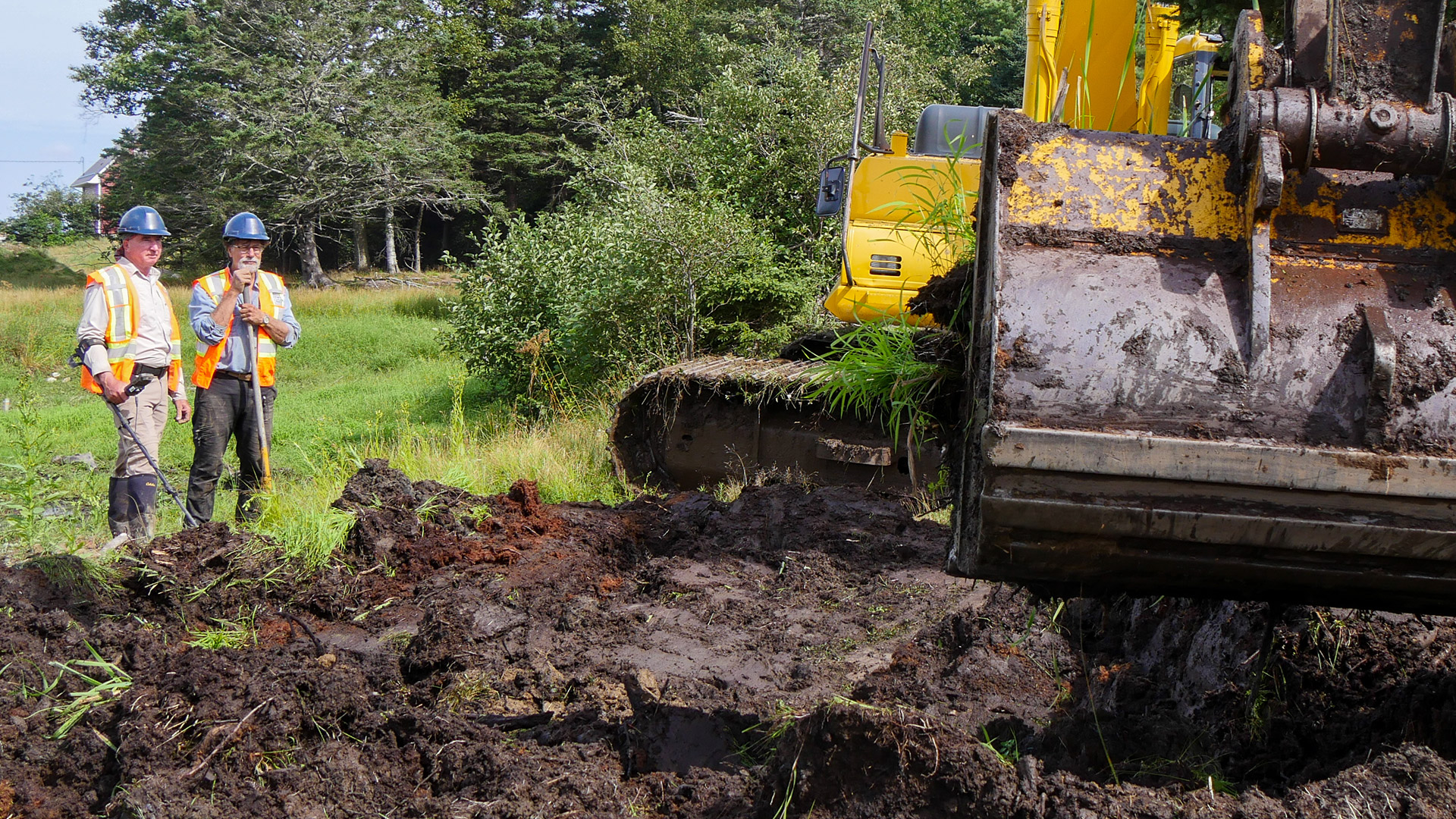
At Smith’s Cove, researchers discovered coconut fiber layers and stone drains—materials not native to the region. These findings support the theory that the island once contained a complex flood protection system known as the “box drains.”
Why such an advanced system would exist on a remote island remains one of the biggest mysteries.

6. HUMAN ACTIVITY DATING BACK CENTURIES
Carbon dating of wood samples recovered from deep shafts suggests human activity on Oak Island predates the original 1795 discovery by several centuries. Some estimates place construction activity as far back as the 1400s.
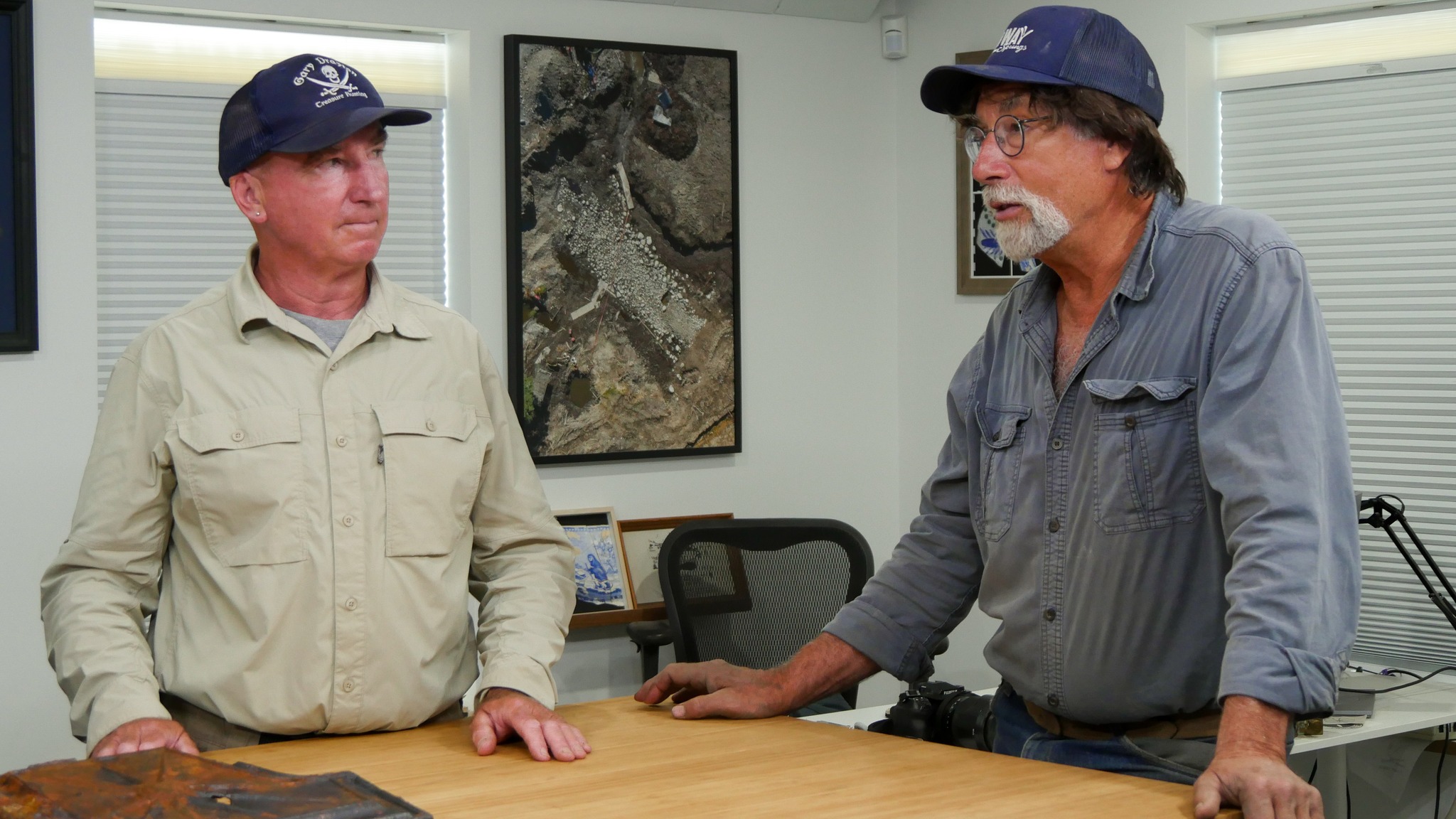
Who was responsible for this early activity remains unknown.
7. UNIDENTIFIED METAL OBJECTS IN BEDROCK
During drilling operations, teams have repeatedly encountered metallic anomalies embedded deep within bedrock. These objects are too deep to have been placed by modern activity, yet too structured to be natural formations.
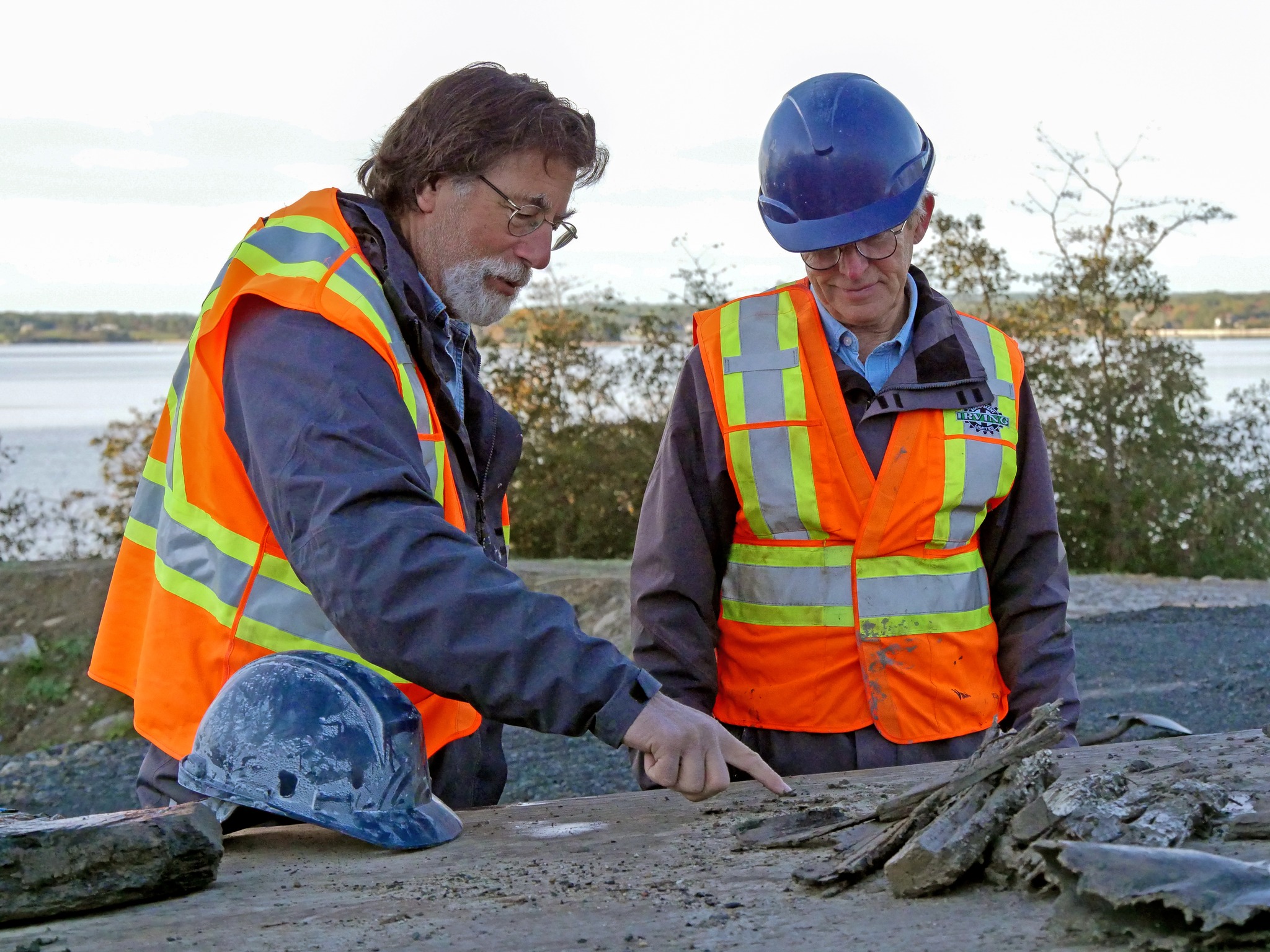
Their identity has never been confirmed.
8. POSSIBLE SHIP TIMBERS BURIED DEEP BELOW GROUND
Fragments of wood consistent with shipbuilding techniques have been recovered far beneath the surface. Some researchers suggest these may be remnants of intentional transport or burial operations.
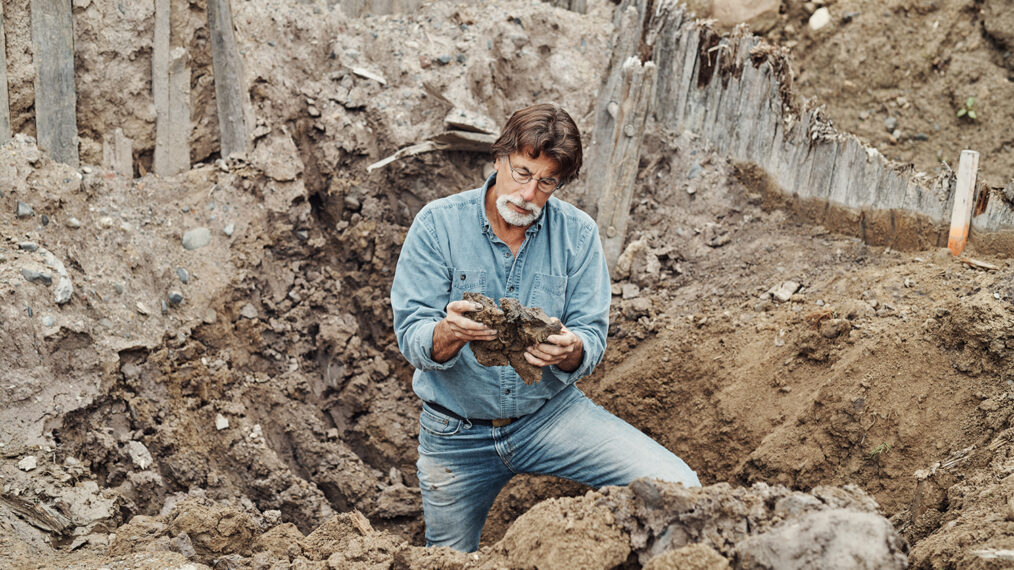
However, no definitive shipwreck site has ever been located on the island.
9. STRANGE TOOL MARKS ON UNDERGROUND TIMBERS
Recovered wooden beams show precise tool marks that do not match typical colonial-era construction methods. The consistency of these markings suggests skilled craftsmanship—possibly from trained builders or specialized teams.
The origin of these techniques remains disputed.
10. THE “CURSED ARTIFACT” FRAGMENTS THEORY
Among the most controversial findings are small artifacts recovered over the years that some believe may be part of a larger, intentionally hidden collection. While no single item confirms this theory, repeated discoveries of unrelated relic fragments continue to fuel speculation.
Whether coincidence or evidence of something larger is still debated.
A MYSTERY THAT REFUSES TO CLOSE
What makes Oak Island unique is not just what has been found—but what has not been explained. Every discovery seems to solve one question while opening several more. Despite modern technology, sonar scanning, and large-scale excavation, the island continues to resist full disclosure.
Some researchers believe the site hides a structured vault system. Others suggest it may be linked to historical treasure fleets or even secret societies. Skeptics argue that natural geology and centuries of digging have created the illusion of complexity.
Yet the fascination remains unchanged.
THE REAL LEGACY OF OAK ISLAND
Perhaps the most important discovery of all is not physical—but psychological. Oak Island has become a symbol of human obsession with hidden truth, where every fragment of wood or trace of metal can transform into a potential breakthrough.
And as long as unanswered questions remain buried beneath its soil, the island will continue to attract those convinced that the next dig… might finally reveal everything.
For now, Oak Island keeps its secrets—just as it always has.