Jeremy Clarkson’s Inheritance Tax Comments Spark Debate as Clarkson’s Farm Highlights Real Farming Pressures
Jeremy Clarkson has once again placed himself at the center of public discussion following comments made in the latest series of Clarkson’s Farm, where he addressed controversial changes to inheritance tax policy proposed by the Labour government. His remarks have sparked renewed debate about fairness in agricultural taxation, the realities of land ownership, and the growing divide between wealthy landowners and working farmers.
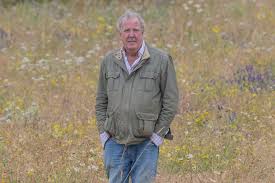
In the episode, Clarkson discussed how proposed inheritance tax adjustments were intended, according to supporters of the policy, to prevent wealthy individuals from exploiting farmland as a loophole for reducing tax liabilities. By purchasing agricultural land, some high-net-worth individuals have historically benefited from more favorable tax treatment compared to other forms of property or investment assets. Clarkson acknowledged this argument directly, even stating that the policy was aimed at “rich people, like me.”
However, what stood out to many viewers was his broader reflection on the issue. Clarkson was candid in noting that, while such reforms might not personally affect him, they could have significant consequences for ordinary farmers who rely on inherited land to maintain family-run agricultural operations. This distinction between large-scale landowners and smaller working farms became a key point in his commentary.
Rather than positioning himself purely as a target of the policy, Clarkson shifted focus toward the wider farming community. He emphasized that many farmers in the UK are not wealthy land barons, but rather families operating on tight margins, often passing land down through generations as both livelihood and legacy. For these individuals, inheritance tax changes could represent not a financial strategy issue, but a genuine threat to continuity.
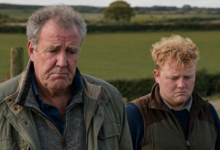

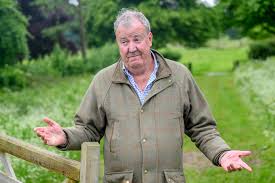
This perspective aligns closely with the broader themes of Clarkson’s Farm, a series that has consistently highlighted the gap between public perception of farming and the economic reality on the ground. Through his experience at Diddly Squat Farm, Clarkson has repeatedly showcased rising costs, unpredictable income, and the fragile balance that keeps many farms operational. His latest comments on inheritance tax add another layer to that ongoing narrative.
Supporters of Clarkson argue that his willingness to acknowledge his own position while advocating for broader farming concerns demonstrates a degree of transparency that is often missing in public debates about agriculture. By openly stating that he is wealthy enough not to be personally impacted, he avoids the perception of self-interest, while still using his platform to raise awareness of structural issues affecting the sector.
Critics, however, view the situation differently, suggesting that his prominence and media influence can shape public opinion in ways that may oversimplify complex tax policy discussions. The debate highlights the tension between political intent—closing loopholes used by the wealthy—and the unintended consequences such policies may have on genuine farming families.
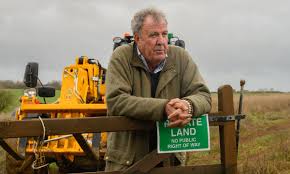
Despite differing interpretations, one outcome is clear: Clarkson’s comments have reignited public attention on the financial pressures facing British agriculture. Inheritance tax, land ownership, and farm succession are now part of a wider conversation about how the UK can balance fairness in taxation with the need to protect domestic food production and rural communities.
Ultimately, Clarkson’s contribution to the discussion reflects the unique position he occupies. As both a landowner and a public advocate for farming, he bridges two worlds that rarely intersect in mainstream media. Whether viewed as controversial or constructive, his remarks have once again ensured that the realities of British farming remain firmly in the public eye—alongside the ongoing challenges faced by those who work the land every day.