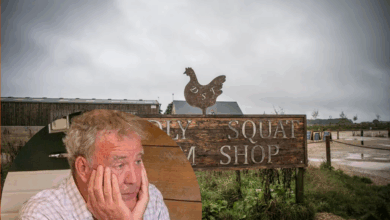
A £2.1 Million Cotswolds Farm Sale Highlights the Growing Crisis Facing British Agriculture
A 150-acre family farm in the Cotswolds has been sold for £2.1 million, marking the end of nearly 90 years of continuous family farming on the land. Once a working agricultural holding producing food for generations, the estate will now be transformed for development, reflecting a growing and controversial trend across rural Britain.

The sale, completed this week, saw the property purchased by a developer rather than a farming family. According to reports, the land will be repurposed for housing and commercial use, with barns converted into office spaces and fields removed from agricultural production entirely. What was once productive farmland will no longer contribute to Britain’s food supply.
The farmer, aged 72, made the difficult decision to sell after it became clear there was no succession plan in place. His children had already built lives elsewhere—one working in IT in Bristol, the other employed as a teacher in London. Neither were able or willing to continue the farming tradition, and even if they had been interested, rising land prices would have made continuation nearly impossible.
This single sale reflects a much broader structural issue in UK agriculture: affordability and generational transition. With land now averaging around £18,000 per acre in many regions, young farmers face extreme barriers to entry. A would-be farmer with £30,000 in savings would struggle to purchase even two acres, let alone a viable working farm capable of sustaining a business.

In contrast, developers with access to large capital reserves can acquire entire farms for millions, often outbidding agricultural buyers with ease. In this case, the £2.1 million purchase represents not just a transaction, but a transformation of land use—from food production to residential and commercial development.
For rural communities, the implications are significant. Each farm converted into housing or office space reduces the total area available for domestic food production. While development may address housing shortages, it simultaneously raises concerns about long-term food security and the erosion of traditional farming landscapes.
The original farm had been in the same family for close to a century. Over that time, it witnessed multiple generations of agricultural change, from manual labour and mixed farming to modern mechanised operations. However, despite adaptation over the decades, economic pressures and demographic shifts ultimately made continuation unsustainable.
The farmer reportedly accepted that, without younger family members to take over and with rising operational costs, maintaining the farm was no longer viable. Rather than see it fall into disrepair, he chose to sell—a decision increasingly common among ageing farmers across the UK.
Meanwhile, industry observers warn that this pattern is accelerating. As farming becomes less financially attractive and land values rise due to development pressure, more estates are expected to leave agricultural use. Critics argue that government messaging around food security and rural support is not being matched by effective mechanisms to protect farmland or support new entrants into the industry.
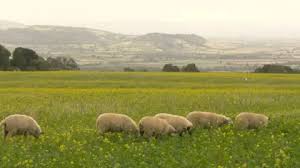
The contrast is stark: while policymakers discuss strengthening domestic food production, the market continues to incentivize conversion of farmland into housing developments. For young farmers hoping to enter the industry, the gap between aspiration and affordability continues to widen.
Ultimately, the sale of this Cotswolds farm represents more than a single family’s decision—it reflects a broader shift in how land is valued and used in modern Britain. As fields give way to housing estates and barns become offices, questions about the future of domestic agriculture grow increasingly urgent.
And for many in the farming community, one question remains unanswered: how many more family farms must disappear before the balance between development and food production is finally addressed?