UK Farmers Face Crushing Costs as Government Policies Put Food Security at Risk
The agricultural sector in Britain is confronting an unprecedented financial squeeze, with rising input costs and stagnant output prices pushing many farmers to the brink. According to the latest Andersons report, the country is now in the midst of a “cost of farming crisis” — a term the consultancy has never used before — reflecting the intensity of the economic pressure on those who feed the nation. Farmers are facing input cost increases of up to 8.4%, while output prices are down 5.8%, representing a 14% swing against producers.
Fertiliser costs have skyrocketed in recent years. Urea now commands £650-£700 per tonne, while ammonium nitrate sits at £495 — nearly double the prices from just three years ago. Fuel bills, especially for red diesel, are also surging, with some farmers reporting an extra £5,000 per month compared to last year. Electricity expenses have tripled, feed costs are up 40%, vet bills are up 30%, and labour costs are climbing with increases to the minimum wage and National Insurance contributions. Despite these escalating expenditures, wheat prices remain around £160-£170 per tonne, below the cost of production.
Oliver Collingham, a fourth-generation farmer in Nottinghamshire, voiced the frustration many feel: “The margins just haven’t been there on the farming side. If the pricing remains like that, it is already looking like it would be pointless us growing any cereals in 2026.” Collingham’s concerns are echoed across the country, with many producers questioning whether planting next year will even be financially viable.
Adding to the financial strain, the UK government has announced a new carbon tax on fertiliser, effective January 2027, which will add £100 per tonne to already inflated costs. The National Farmers’ Union (NFU) is calling for support, requesting that 70% of any fertiliser cost above £500 per tonne be covered — a policy already in place in many European countries, but absent in the UK. Without relief, farmers warn that they may leave fields fallow, which could reduce grain production and create serious food security risks.



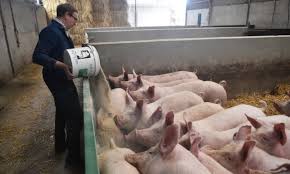
Politicians have acknowledged the problem but their reassurances have yet to translate into tangible support. Esther McVey, MP, noted that households could expect to see higher weekly food bills as a consequence of the government’s policies, framing it as an “attack on our farmers.” Meanwhile, promises of “record funding” remain largely unfulfilled, leaving farmers to manage soaring costs with little guidance.
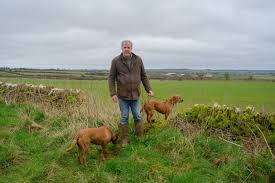
For many, the crisis is personal and immediate. Farmers walk their fields daily, monitoring crops, livestock, and soil conditions, all while balancing sky-high input costs against prices that do not cover basic expenses. The stress of these decisions weighs heavily: choosing whether to plant next season could determine the survival of their business, their family legacy, and their ability to contribute to Britain’s food supply.
The current situation has highlighted a fundamental tension in UK agriculture: the disconnect between government policy, global market pressures, and the reality of day-to-day farm operations. While policy discussions and public statements continue in Westminster, farmers on the ground are left questioning whether their voices are truly being heard.
As the cost of living rises and food prices fluctuate, the sustainability of British farming hangs in the balance. The sector is critical not just for food production, but for maintaining rural communities, supporting local economies, and ensuring long-term food security. Without urgent intervention, many producers may scale back or abandon their operations entirely — a scenario with consequences far beyond the farm gate.
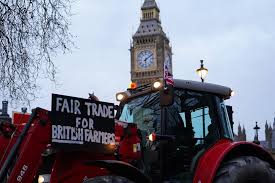
The question looming over the sector is simple but urgent: how many more farmers will have to consider leaving their fields unplanted before meaningful government action provides relief? Until the balance shifts, the UK risks losing more than crops — it risks losing the very people who make domestic food production possible.