Oak Island Research Center Investigates Split-Stone Feature and Companion Rock: Hidden Treasure or Marker?
The long-running mystery of Oak Island has taken another intriguing turn as the team at the Oak Island Research Center examines a peculiar split-stone formation along with a massive newly discovered companion rock. For decades, explorers and enthusiasts have speculated about the significance of unusual stone arrangements on the island, wondering whether they were remnants of early engineering, ceremonial markers, or clues to hidden treasure. The latest analysis is aimed at determining whether these stones were deliberately placed to conceal something valuable—or to mark a location linked to the island’s legendary riches.
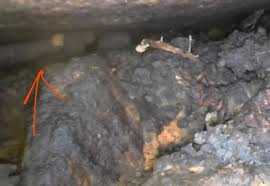
Using advanced 3D modeling technology, the researchers have been able to capture the precise orientation, weight, and alignment of the stones. The split-stone feature itself shows a sharp, clean division that doesn’t appear natural, suggesting that it was intentionally shaped or modified by human hands. Its newly discovered companion rock, considerably larger, rests nearby in a position that could indicate a deliberate pairing. The team is exploring whether the relationship between the two stones was symbolic, functional, or a combination of both.
Historically, Oak Island has been filled with such mysterious features. From the infamous Money Pit to hidden flood tunnels and engineered mounds, the island has baffled generations of treasure hunters. Many of these structures were designed to confuse, protect, or redirect those attempting to uncover the island’s secrets. If the split-stone feature and its companion rock were placed to conceal something, the implications could be significant. They might represent a key to understanding the original builders’ methods or even a guide to previously undiscovered caches of artifacts or treasure.
Beyond the possibility of concealment, some experts suggest the stones could serve as markers. In an era when navigation and mapping were less precise, placing conspicuous rocks in specific patterns could have acted as reference points for later retrieval of buried items. The alignment of these rocks with other known structures on Oak Island could indicate a deliberate design intended to guide explorers—or even the original constructors—to specific underground chambers or storage vaults. Each angle, each distance measured with 3D modeling, provides new insights into whether these rocks were functional, symbolic, or a combination of the two.




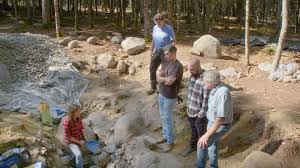
The team is not only measuring the stones but also studying their composition. By analyzing the type of rock, its source, and any tool marks, researchers hope to determine whether the stones were transported from elsewhere on the island or modified in place. Understanding these factors can provide critical clues about the scale of the engineering effort and the intentions of the original builders. This work is part of a broader attempt to piece together the complex puzzle of Oak Island using a combination of historical research, archaeology, and modern technology.
Public interest in Oak Island remains intense, and this latest development is already sparking discussions among fans and historians alike. Some believe that the stones could finally provide tangible evidence of the treasure that has eluded explorers for more than two centuries, while others caution that they may simply be part of a sophisticated engineering or drainage system from the island’s early settlers. Regardless, the combination of meticulous measurement, 3D modeling, and comparative analysis ensures that each hypothesis is rigorously tested.
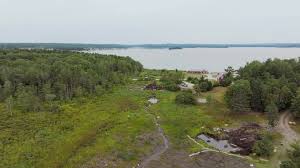
In conclusion, the split-stone feature and its massive companion rock add another layer of intrigue to the Oak Island mystery. Whether they conceal treasure or serve as markers, the investigation demonstrates the meticulous care and innovative technology applied to unraveling the island’s secrets. Each new discovery, analyzed in the context of centuries of legends, brings researchers—and viewers—closer to understanding what motivated the original builders and whether Oak Island’s long-standing enigma might eventually be solved.