The Curse of Oak Island: Why Real Discovery Cannot Be Staged
For over two decades, The Curse of Oak Island has captured the fascination of viewers worldwide, chronicling an intricate hunt for treasure and hidden history on Nova Scotia’s enigmatic island. Yet, despite the show’s undeniable popularity, there is a persistent chorus of skeptics who claim the series is “staged” or scripted. Those critiques fail to grasp the reality: this is not entertainment fabricated for the camera—it is a meticulous, high-stakes investigation that unfolds with all the messiness and unpredictability of real-life discovery.
The first point to understand is the immense physical and financial commitment required to explore Oak Island. Over the past decade, the team has poured enormous resources into excavation, permitting, and technical research. They employ professional archaeologists, historians, geologists, and metal-detection specialists. Drilling crews operate with precision, and advanced technology is used to study underground anomalies. This is far from a casual production; it’s a serious, multi-generational pursuit where every shovel of dirt carries historical significance.
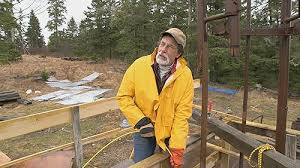
Critics often point to the show’s pace, describing it as “slow” or “repetitive.” However, anyone familiar with real investigations knows that progress is rarely linear. There are false starts, muddy trenches, broken equipment, and tiny, often confusing clues that only make sense after seasons of work. If Oak Island were staged, each discovery would appear as a polished, cinematic reveal—clean, quick, and theatrically satisfying. In reality, the show reflects the true nature of painstaking exploration: methodical, uncertain, and filled with setbacks.
Moreover, the cast is not performing for an audience—they are living and aging through the investigation. Rick and Marty Lagina, along with their crew, display genuine frustration, skepticism, hope, and sometimes despair as each clue is unearthed. Observing Rick’s voice crack with disappointment when a lead collapses or witnessing Marty’s oscillation between doubt and optimism cannot be replicated by actors. The quiet moments, when the team gathers around a small, seemingly insignificant find, carry weight precisely because of the real history and personal investment that precedes them. These reactions are authentic, not scripted for dramatic effect.

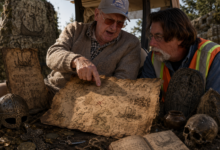
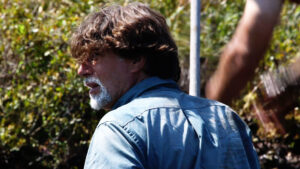
The show does employ edits, narration, and dramatic music, as any television program must to remain engaging. Yet these elements are merely enhancements, not fabrications. They make the story accessible to viewers without altering the underlying truth of the search. At its core, Oak Island is a long, grinding, and imperfect quest for answers—a process that cannot be artificially accelerated without undermining the complexity of the investigation.
Skeptics who dismiss the series as “fake” may be conflating patience with boredom. True discovery, especially in archaeology and historical exploration, takes time. It requires dedication, endurance, and an acceptance that results are uncertain. Oak Island has thrived precisely because it embraces the slow reveal, showing both triumphs and failures as they occur. By documenting the human struggle alongside the search for treasure, the series demonstrates that the journey itself—replete with challenges, mistakes, and incremental successes—is as compelling as the ultimate goal.

In the end, the simplest explanation is that Oak Island is real. It is a testament to curiosity, persistence, and human ingenuity. Those who criticize it for lacking cinematic immediacy overlook the most important truth: the greatest discoveries are rarely instant, and true history is often buried beneath layers of effort, patience, and meticulous investigation. The Curse of Oak Island is not staged; it is a window into the painstaking work required to uncover secrets that have eluded generations, and it continues to captivate audiences because of its authenticity, not in spite of it.