BREAKING: Clarkson’s Farm Festival Parade Disrupted by PETA Protester — What Happened and Why It Matters.
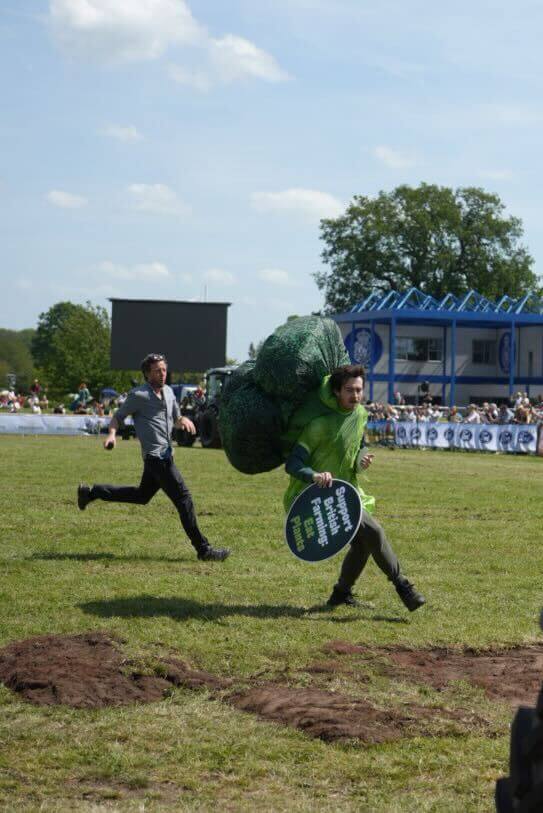
The inaugural Clarkson’s Farm Festival at Stoneleigh Park in Warwickshire took an unexpected turn on 22 May when a PETA supporter disrupted the tractor parade. Dressed in an inflatable broccoli costume and carrying a sign reading “Support British Farmers, Eat Plants,” the protester ran alongside Jeremy Clarkson’s tractor, shouting calls to “go vegan!” before being quickly intercepted by security. The stunt, which attendees have dubbed the “cruciferous crusader,” highlighted the growing tension between traditional animal farming practices and calls for a plant-based agricultural future.
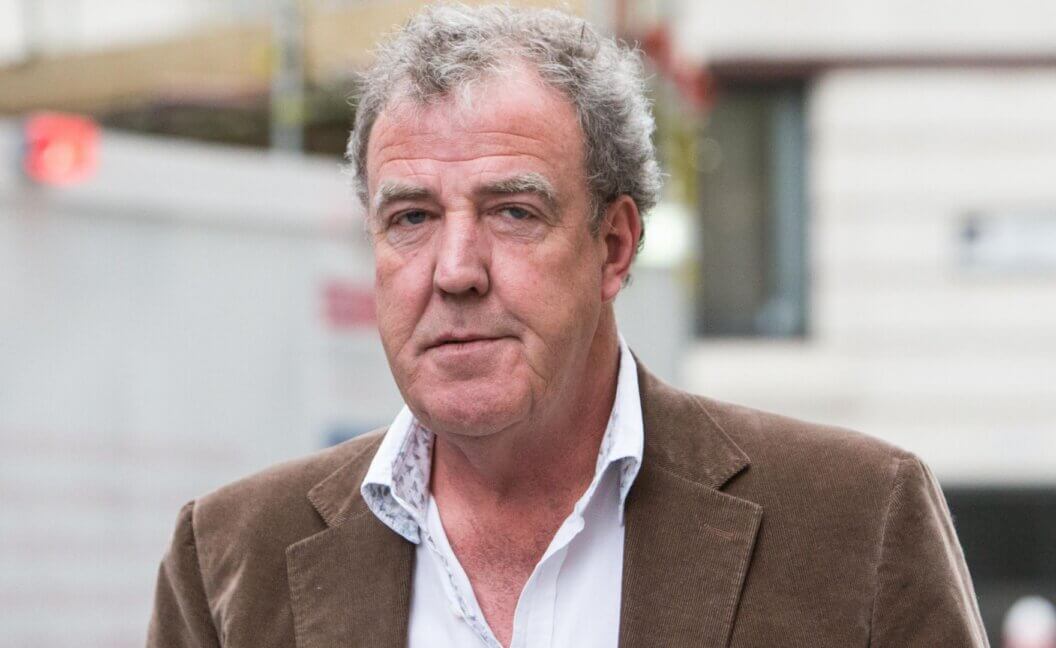
The incident occurred as Clarkson completed laps on his tractor, celebrating his 1,000-acre Diddly Squat Farm in Oxfordshire — the centerpiece of his popular Prime Video series, Clarkson’s Farm. While the show has been praised for shedding light on the challenges of modern British farming, critics like PETA argue that it does not fully capture the ethical and environmental consequences of animal agriculture. According to PETA, the festival interruption was meant to raise awareness about the conditions many farm animals face, while also promoting a sustainable, plant-based alternative.
Animal agriculture, PETA stresses, is responsible for widespread animal suffering. Chickens are often confined to overcrowded, windowless sheds; pigs may have their tails docked without anesthesia; and cows are forcibly separated from their calves. The organization describes slaughter practices in the UK as inhumane, citing methods such as CO2 chambers that can cause extreme distress and pain, as well as electric or captive bolt stuns that sometimes fail to render the animal unconscious. PETA emphasizes that farmed animals are sentient beings with complex behaviors, personalities, and emotional lives. Pigs, for example, demonstrate advanced problem-solving skills, can recognize individual faces, and even decorate their living spaces when given the opportunity.

Beyond animal welfare, PETA also highlights the environmental toll of traditional farming practices. Animal agriculture is a leading contributor to greenhouse gas emissions, water pollution, and biodiversity loss, accelerating climate change. Studies show that a global shift to plant-based diets could reduce food-related carbon footprints by up to 75% and free up roughly the same percentage of agricultural land. For PETA, this demonstrates that supporting farmers and protecting the environment are not mutually exclusive — plant-based farming can achieve both goals.
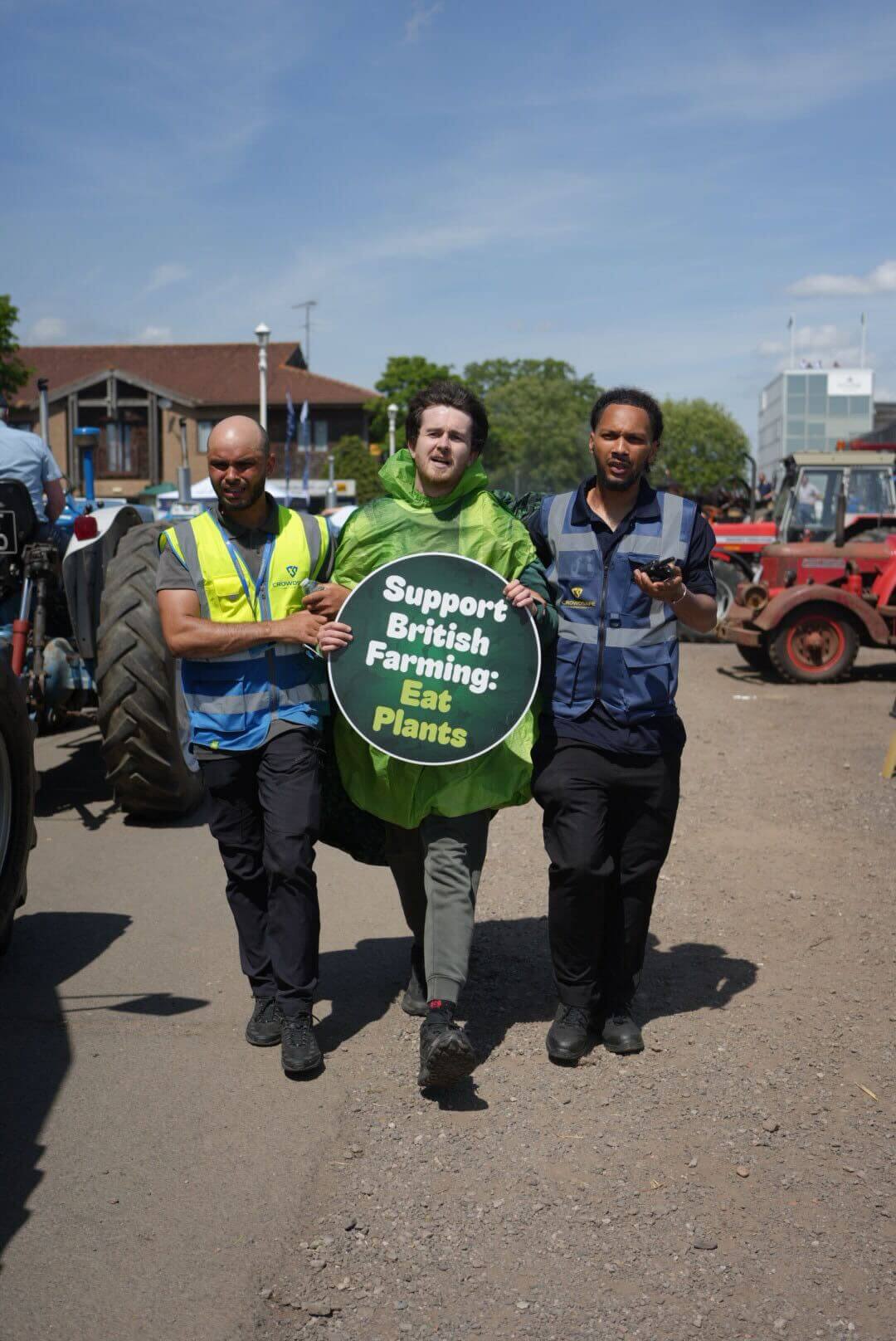
At the festival, the protester’s message was clear: the future of British farming should prioritize plant-based solutions that avoid harming animals while promoting sustainability. By targeting a high-profile event like Clarkson’s Farm Festival, PETA aimed to spark discussion among attendees and viewers about the broader implications of animal agriculture. The stunt underscored the ethical and environmental debates surrounding the farming industry and encouraged consumers to consider plant-based alternatives as a way to support both farmers and the planet.
Jeremy Clarkson, for his part, continued to engage with festival-goers and fans despite the disruption. The incident did not halt the festival’s events, which included tractor parades, farm demonstrations, and opportunities for visitors to learn about Diddly Squat’s operations. However, it did amplify ongoing conversations about the role of animal agriculture in the UK and its compatibility with modern ethical and environmental standards.
PETA encourages individuals interested in making the switch to plant-based diets to access resources like their free vegan starter kit, which includes recipes, tips, and guidance for beginning a vegan lifestyle. The organization also invites people to subscribe to its newsletter to receive updates, action alerts, and educational content on animal welfare and sustainable agriculture.

The unexpected interruption at Clarkson’s Farm Festival is a vivid reminder that farming today exists at the intersection of tradition, entertainment, and ethical scrutiny. As the popularity of shows like Clarkson’s Farm continues to grow, so too does public awareness of the broader issues associated with animal farming. Whether through advocacy, education, or consumer choice, events like this provoke critical discussion about how food is produced and how the farming industry can adapt to meet the challenges of ethics, sustainability, and climate change.
Fans and critics alike are left considering the larger implications of the protest: How will the industry respond? Will more plant-based innovations find their way into mainstream farming? And how will high-profile figures like Jeremy Clarkson navigate these ethical debates while continuing to entertain and educate audiences about modern farm life?