Jeremy Clarkson Helps Launch New Warwickshire Farm Festival With Glastonbury Ambition.
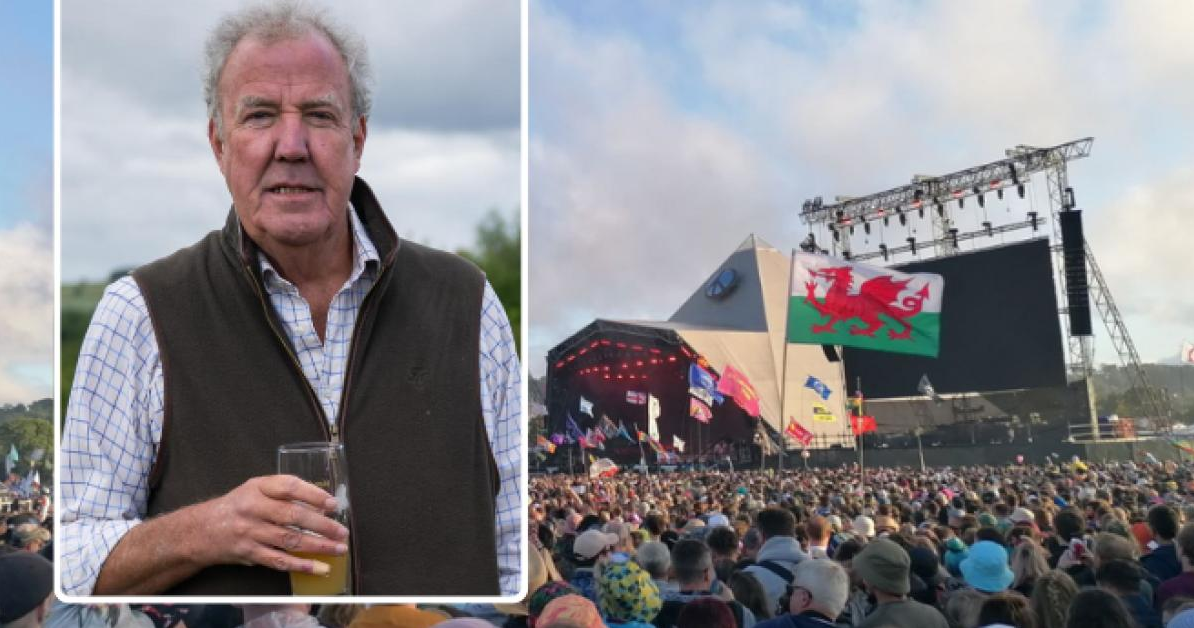
Jeremy Clarkson is preparing to bring his farming world to a much bigger stage as he helps launch a new countryside festival in Warwickshire next week.
The broadcaster, farmer and Clarkson’s Farm star is due to appear at the first Great British Farm-Fest, which will take place at NAEC Stoneleigh from Friday, May 22 to Sunday, May 24. The three-day event is being promoted as a major new celebration of British agriculture, combining farming, live entertainment, food, rural skills and music.
Organisers have described the event as a meeting point between a major music festival and a traditional agricultural show. The aim is to create a countryside event with enough scale, energy and public appeal to compete with some of the UK’s best-known summer festivals, while keeping farming at the centre of the experience.
Clarkson will be joined by several familiar faces from the rural and television world, including Kaleb Cooper, Lisa Hogan, Charlie Ireland and Adam Henson. Their appearances are expected to include stage discussions, farming conversations and competitions designed to give visitors a closer look at the realities of agricultural life.

The event also has a strong music line-up. Confirmed performers include Sophie Ellis-Bextor, Groove Armada, Blur bassist and cheesemaker Alex James, and Radio X presenter Chris Moyles. That mixture of celebrity farming figures and established music acts is being used to give the festival a broader appeal beyond traditional countryside audiences.
For Clarkson, the festival marks another step in his growing role as one of the most visible public voices for British farming. Since Clarkson’s Farm first followed his attempts to run Diddly Squat Farm in Oxfordshire, the presenter has become closely associated with debates about rural business, farm costs, food production, weather pressures and the daily demands placed on farmers.
Festival director Chris Hughes has praised Clarkson’s influence on the farming conversation, saying the presenter has helped make the public more aware of the hard work behind British agriculture. According to Hughes, the partnership was a natural fit because both sides wanted to celebrate the effort, resilience and passion found across the industry in a way that felt open and entertaining.

That approach appears to be central to the Great British Farm-Fest. Rather than presenting farming as a niche subject, the festival is trying to make it part of a wider family and entertainment experience. Visitors are expected to see displays, talks, activities, food and drink areas, live performances and farming-themed attractions across the site.
The festival’s publicity has leaned heavily into the idea of putting the countryside centre stage. Organisers have said they want to showcase the talent of the British farming industry in a fresh way, pairing well-known farmers and television personalities with musicians and DJs.
The presence of Clarkson is likely to be one of the event’s biggest draws. His farm shop, pub and television series have already shown how much public interest there is in rural life when it is presented with personality, humour and honesty. The Great British Farm-Fest now appears to be building on that same connection, offering fans a chance to see the people behind the show while also exploring a wider picture of British farming.

The event comes at a time when agriculture continues to face rising costs, changing consumer habits and intense debate over the future of food production in the UK. By combining entertainment with farming issues, the festival is positioning itself as both a countryside celebration and a public platform for the industry.
Whether it can truly grow into a rival for Glastonbury remains to be seen. But with Clarkson, Kaleb Cooper, Lisa Hogan and a major music line-up attached to its first year, the Great British Farm-Fest is clearly aiming to make a strong entrance.
For fans of Clarkson’s Farm, the Warwickshire event offers more than a music weekend. It is another sign that the world built around Diddly Squat has expanded far beyond one Oxfordshire farm, becoming part of a much larger national conversation about farming, entertainment and the future of the British countryside.