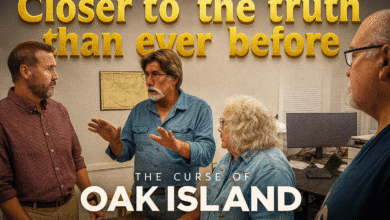
What’s Next for the Treasure Hunt? Bones and 200-Year-Old Keepsakes Raise New Questions.
For more than two centuries, Oak Island has held its place as one of the most persistent treasure mysteries in North America. The basic legend has remained remarkably durable: generations of searchers have returned to the island believing that something valuable, important or carefully hidden lies beneath its soil. The island’s story has inspired repeated excavations, countless theories and a long-running television franchise built around the idea that every new clue could point to a deeper truth.
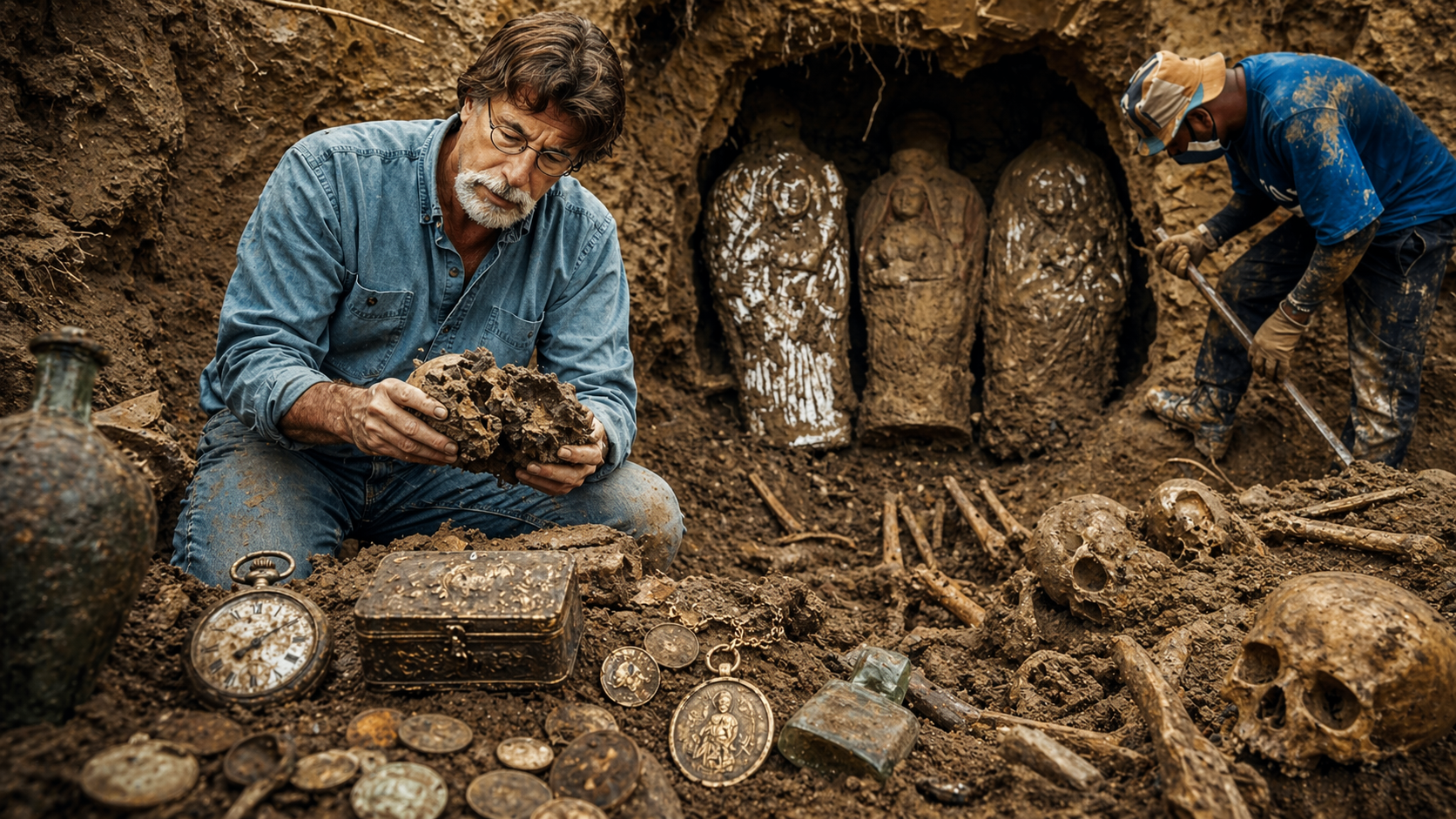
That is why discoveries such as bone fragments and centuries-old personal objects matter so much. They do not prove that treasure has been found. They do something more interesting for the story: they suggest that the island may have hosted more people, more activity and more distinct chapters of history than earlier search narratives allowed. And when those clues appear to point back around 200 years, they naturally raise a fresh question. Were these simply traces left by known searchers, or signs of an earlier, more organised presence that still has not been fully explained?
The bone evidence has been especially attention-grabbing. Public discussion around the Oak Island investigation has long referred to human bone fragments recovered from the Money Pit area, with later commentary noting that the finds became part of a wider attempt to reconstruct who may have been on the island and when. At the same time, outside archaeological commentary has cautioned that such finds are often more ambiguous than television storytelling makes them appear. Bone fragments can raise questions about human presence, movement and site disturbance, but they do not automatically reveal a complete story on their own.




That caution is important, because the keepsakes and relics are arguably just as revealing. History’s own Oak Island material highlights a range of objects found over the years, including decorative items and other artefacts linked to earlier phases of activity on the island. One particularly intriguing example is a jewelled brooch found near Lot 21, close to where early settler Daniel McGinnis had lived, showing how even apparently personal or ornamental objects can reopen questions about who was present and what they may have brought with them.
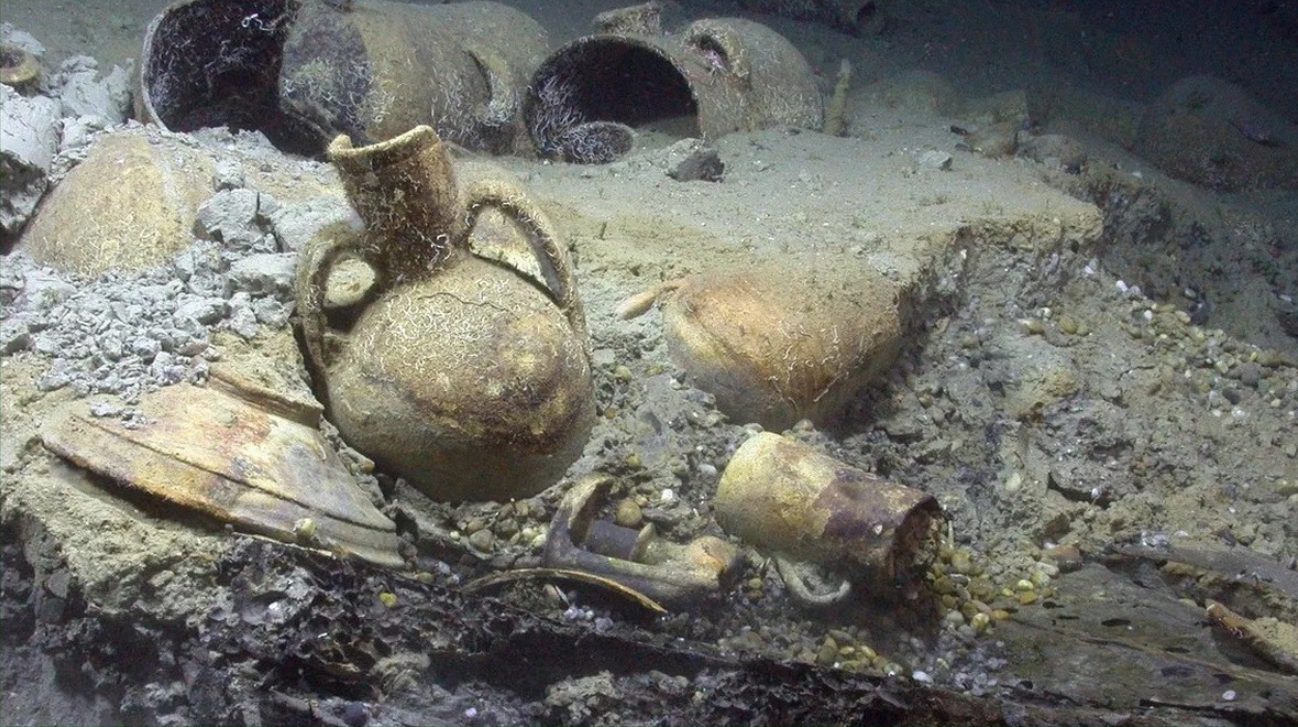
When objects like that are placed beside bone fragments and long-running reports of shafts, wood, parchment and engineered-looking features, the island begins to feel less like the site of one mystery and more like a layered archive of repeated arrivals. Historical summaries of the Oak Island mystery describe multiple groups reaching the island across different periods, from the original late-18th-century discovery story onward to 19th-century and early-20th-century search operations. In that sense, signs that a party once came here are not surprising. What remains uncertain is whether the latest finds belong only to those documented treasure hunters, or whether they hint at a more complex chapter that predates or falls outside the best-known search history.
That distinction is where the treasure hunt now becomes more compelling.

If the fragments and keepsakes can be tied more clearly to a specific era, the search could begin shifting away from broad myth and toward a narrower historical reconstruction. Instead of asking only where the treasure might be, investigators would be pushed to ask who was on the island, what they were doing, how long they stayed and what infrastructure they may have built or reused. That would not make the mystery smaller. It would make it sharper. A stronger timeline could help separate later search debris from genuinely earlier activity, and that could change how future digs are interpreted. This is an inference from the pattern of finds and the island’s documented multi-period search history, rather than a confirmed conclusion from one official report.
It also explains why every apparently modest discovery now carries more weight. A bone fragment is no longer just a startling object. A keepsake is no longer just a curiosity. Together, they suggest people lived, worked, searched or passed through here in ways that may not yet fit neatly into the accepted version of the story. Even small personal items can imply routine human presence rather than a single dramatic event. And if a group did arrive with purpose, bringing belongings and leaving traces behind, then the search may need to pay as much attention to social history as to buried treasure.
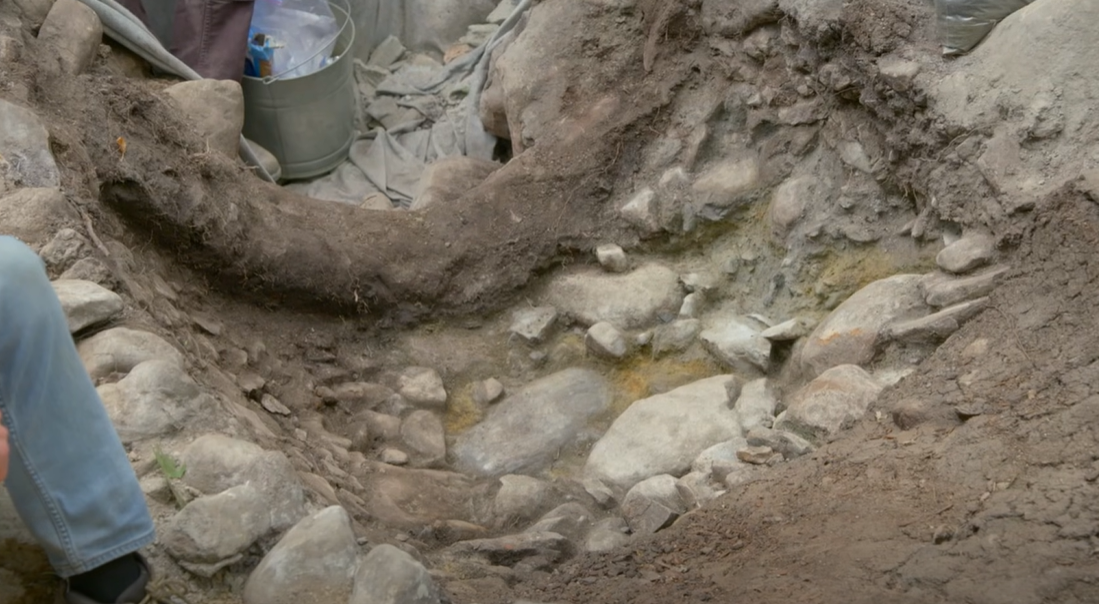
Of course, Oak Island has generated many clues before, and not all of them have led to a final breakthrough. The legend still remains a legend in one crucial sense: despite more than 200 years of excavation and theory, no universally accepted treasure discovery has closed the case. That fact alone is part of what keeps the hunt alive. New finds do not end the mystery; they rearrange it.
And that may be exactly what is happening now.
The latest combination of bone evidence, older keepsakes and renewed attention to signs of past arrivals does not hand the treasure hunters a simple answer. Instead, it opens a more intriguing possibility: that the key to what comes next may lie not in one spectacular object, but in understanding the people who were here before. If the island’s hidden story is ever solved, it may come from connecting these scattered traces into a clearer picture of human activity across time.
That is why the next stage of the hunt matters so much. The search is no longer only about what might be buried. It is about who may have come, what they left behind, and whether those traces point to an overlooked chapter that could finally explain why Oak Island has kept drawing people back for over 200 years.