Freddy and Juan Build a Massive Gold Recovery System — But Will It Actually Deliver?
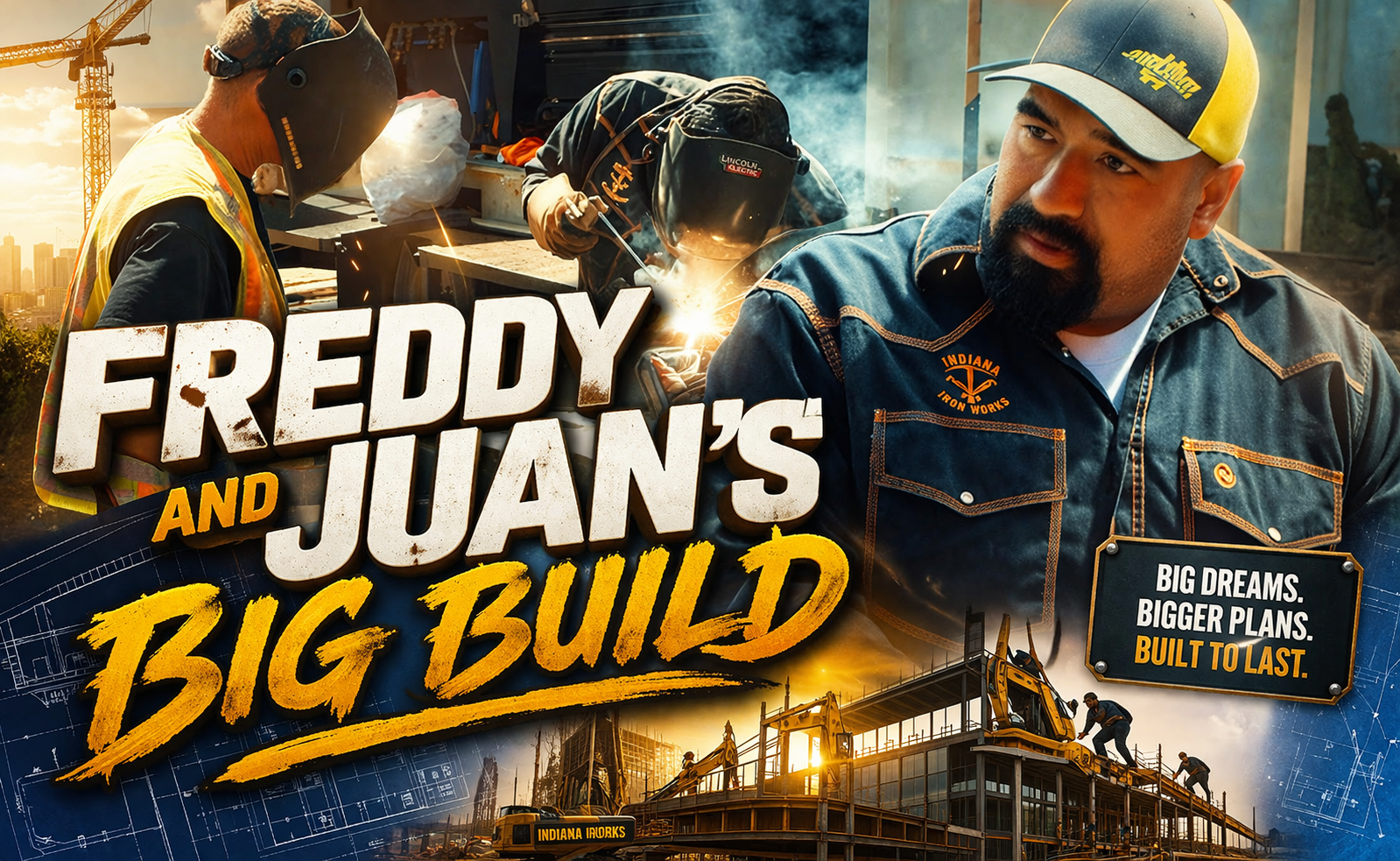
In the unforgiving world of placer mining, success often hinges on one critical factor: how much gold you can actually recover from the ground you move. For struggling mine owners, even a rich claim can turn into disappointment if their equipment fails to capture the fine gold slipping through their systems. That is where Freddy Dodge and Juan Ibarra step in—two of the most respected problem-solvers in the Gold Rush universe.
In the latest episode of Gold Rush: Mine Rescue with Freddy & Juan, the duo takes on one of their most ambitious challenges yet: designing and building a high-volume gold recovery system capable of transforming a struggling operation. But as always, the question remains—will their solution deliver where others have failed?
A Mine Losing Gold at Every Turn
When Freddy and Juan arrive on site, the problem is immediately clear. The mine owners have been processing large volumes of material, yet their gold totals remain frustratingly low. The issue is not a lack of gold in the ground—it is a failure to capture it.




Fine gold, often invisible to the naked eye, is being washed away due to poor sluice design, inefficient water flow and inadequate recovery systems. Every hour of operation is effectively sending potential profit downstream. For the owners, the situation is becoming unsustainable.
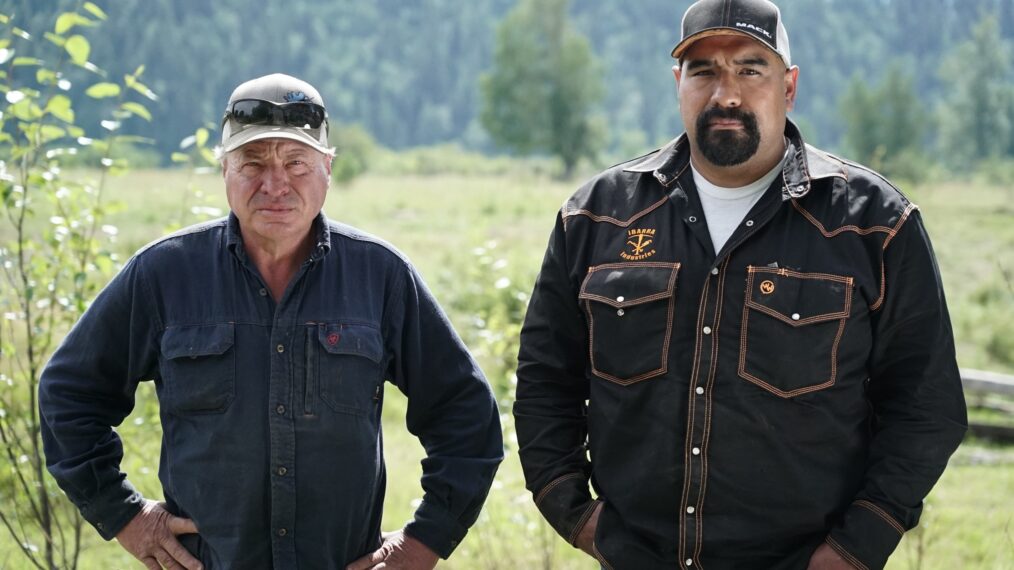
Freddy, known for his sharp eye and decades of mining experience, quickly diagnoses the core issue. The existing system simply cannot handle the volume being pushed through it. Meanwhile, Juan, whose mechanical expertise has rescued countless operations, begins mapping out what needs to change.
Designing a High-Volume Solution
Rather than patching the existing setup, Freddy and Juan opt for a complete overhaul. Their plan: build a high-capacity recovery system that can process more material while dramatically improving gold retention.
The design focuses on three key elements—flow, classification and capture.

First, they rework the feed system to ensure a consistent and controlled flow of material. Uneven feeding, they explain, is one of the most common causes of gold loss. By stabilising the input, they can create optimal conditions for recovery.
Next comes classification. By properly separating larger rocks from finer material before it enters the sluice, the system reduces turbulence and allows gold particles to settle more effectively. It is a simple concept, but one that is often overlooked in struggling operations.
Finally, the heart of the build: a redesigned sluice system equipped with improved riffles, matting and water control. The goal is to maximise contact time between the gold and the recovery surface, ensuring even the smallest particles are captured.
Building Under Pressure
As with many of their rescues, time is not on their side. The mine owners are already operating on thin margins, and every day without improvement adds to the financial strain.
Construction begins immediately, with Freddy and Juan working alongside the crew to assemble the new system. There are challenges along the way—equipment limitations, tight space and the constant pressure to get the system running as quickly as possible.
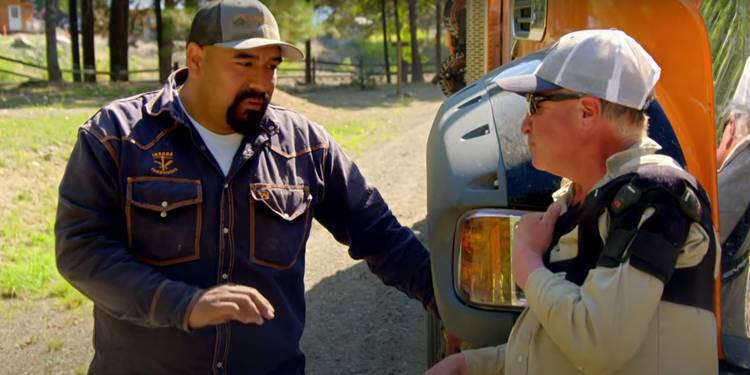
Juan takes the lead on fabrication, modifying components on the fly to fit the specific needs of the site. Freddy, meanwhile, oversees the overall design, ensuring each element works in harmony with the others.
The build is not just about engineering—it is about adapting to real-world conditions. No two mines are the same, and success depends on tailoring the solution to the ground, the equipment and the team.
The Moment of Truth
Once the system is complete, everything comes down to the test run.
The plant roars to life, processing material at a higher rate than before. Water flows smoothly through the sluice, and the feed remains consistent. On the surface, the improvements are clear—but in mining, appearances mean little without results.
The real test comes during the cleanup.
As the mats are lifted and the concentrates are collected, the tension builds. This is the moment that determines whether the entire effort has been worth it. If the system works as intended, the gold should be there—captured, visible and measurable.

Results That Could Change Everything
When the final gold is revealed, the difference is undeniable.
The new system shows a significant increase in recovery, particularly in fine gold that was previously being lost. For the mine owners, it is a turning point. What once seemed like a failing operation now has a path forward.
Freddy and Juan’s design has not only improved efficiency but restored confidence. The crew can now operate knowing that their hard work is no longer being wasted.
More Than Just a Fix
What makes this build stand out is not just the immediate results, but the long-term impact. By addressing the fundamental issues in the system, Freddy and Juan have given the mine a sustainable solution rather than a temporary fix.
Their approach highlights a key truth in gold mining: success is not just about finding gold—it is about keeping it.
Conclusion
Freddy Dodge and Juan Ibarra have once again demonstrated why they are among the most trusted experts in the field. Their high-volume gold recovery system represents a blend of experience, innovation and practical problem-solving.
But beyond the machinery, this episode tells a broader story about resilience and adaptation. In a business where margins are tight and conditions are unpredictable, the ability to evolve can make all the difference.
For this struggling mine, the question was whether the new system would deliver. The answer, it seems, may have just changed everything.