Jeremy Clarkson Shares Candid Thoughts on Organ Donation as He Reflects on Health and Future Plans
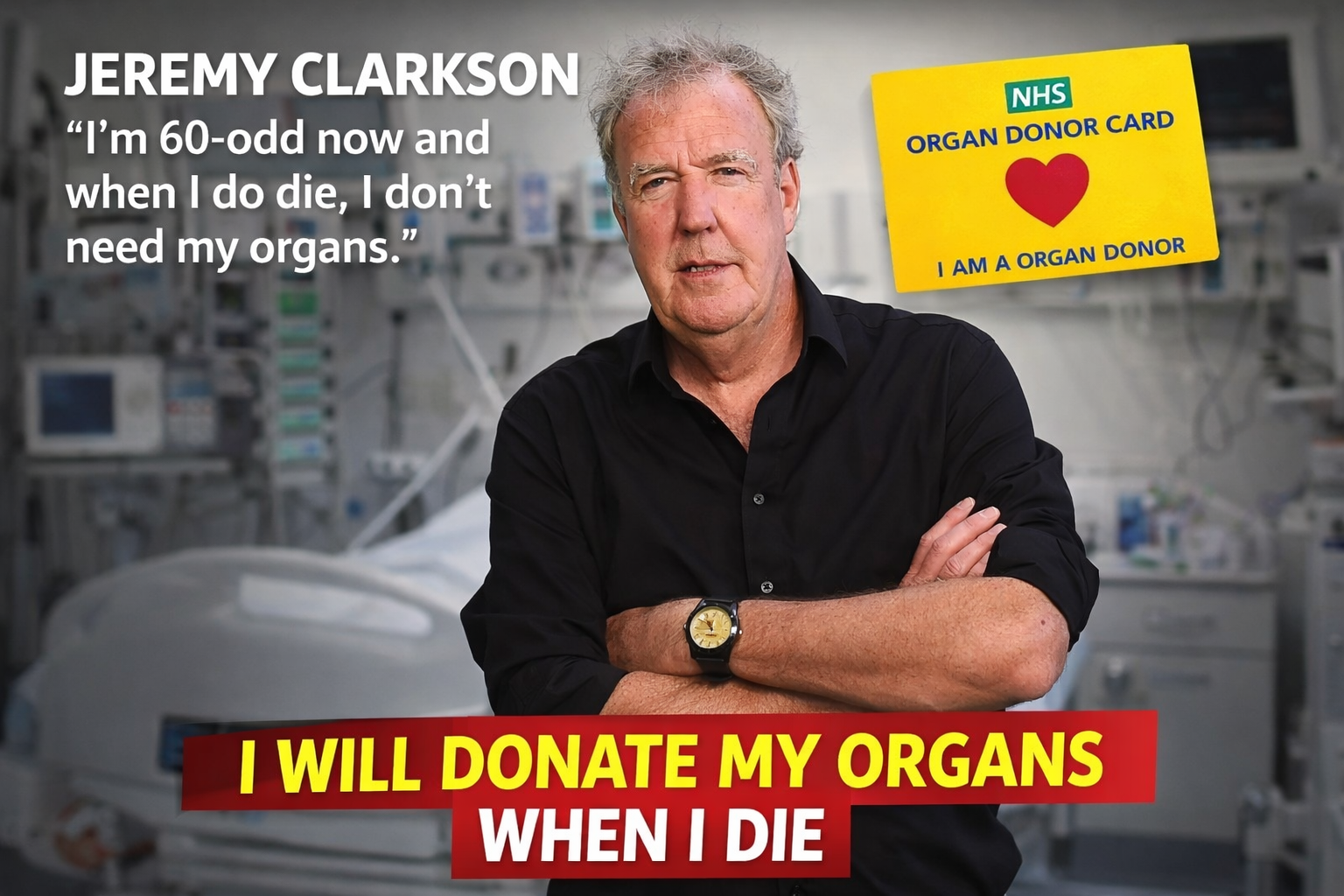
Jeremy Clarkson has once again sparked conversation with a deeply personal and unexpectedly candid revelation—this time about his views on organ donation. The Clarkson’s Farm star, known for his unfiltered opinions and sharp wit, has opened up about why he has chosen not to donate his organs after his death, offering a perspective that blends humour, reflection, and a hint of uncertainty.
The 65-year-old broadcaster, who rose to global fame through Top Gear and The Grand Tour, now spends much of his time managing Diddly Squat Farm in Oxfordshire and running The Farmer’s Dog pub nearby. In recent years, Clarkson has shifted from motoring to agriculture, becoming a prominent voice for British farmers while also giving audiences a more personal glimpse into his life through his hit Amazon Prime series.
However, behind the scenes, Clarkson has also been reflecting on more serious matters. Following emergency heart surgery in 2024 after experiencing chest pains, he has become increasingly focused on his health and future. In his latest column for The Sunday Times, Clarkson revealed that he has been putting his affairs in order—thinking about everything from his will to his funeral arrangements.

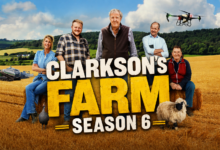
Among those considerations is the question of organ donation, a topic Clarkson approached with characteristic honesty.
“I know I should carry one. It’s the right thing to do,” he wrote, acknowledging the widely accepted importance of organ donation. But he went on to explain why he has hesitated to take that step, offering a surprisingly philosophical reason.
Clarkson admitted to having what he described as a “nagging doubt” about the possibility of being wrong about larger existential questions. In his own words, he expressed concern that if he were to donate his organs—particularly his eyes—and it turned out that some form of afterlife exists, he might regret that decision. It is a comment delivered with humour, yet it also reflects a deeper contemplation about life, belief, and personal choice.
The statement has prompted mixed reactions, with some appreciating Clarkson’s openness while others question his reasoning. Yet, as with many of his public comments, it has succeeded in sparking discussion.

Clarkson’s reflections come at a time when he has been increasingly vocal about broader issues affecting rural Britain. As the face of Clarkson’s Farm, he has highlighted the realities of modern farming, from financial pressures to regulatory challenges. His advocacy has extended beyond television, including participation in protests against a planned inheritance tax on agricultural properties valued over £1 million, set to take effect in April 2026.
For Clarkson, these issues are not abstract. They directly impact his own farm and the wider farming community he has come to represent. In his writing, he has frequently expressed frustration at policies he believes could make it harder for future generations to continue family-run farms.
Against this backdrop, his recent comments about planning for the future take on added significance. Clarkson is not only thinking about his personal legacy, but also about the broader environment in which that legacy exists.
His willingness to discuss topics such as health, mortality, and personal beliefs marks a shift from the more carefree persona many viewers associate with his earlier career. While humour remains a constant, there is a growing sense of reflection in his recent work—an acknowledgment that life, even for someone as outspoken as Clarkson, is not without its uncertainties.
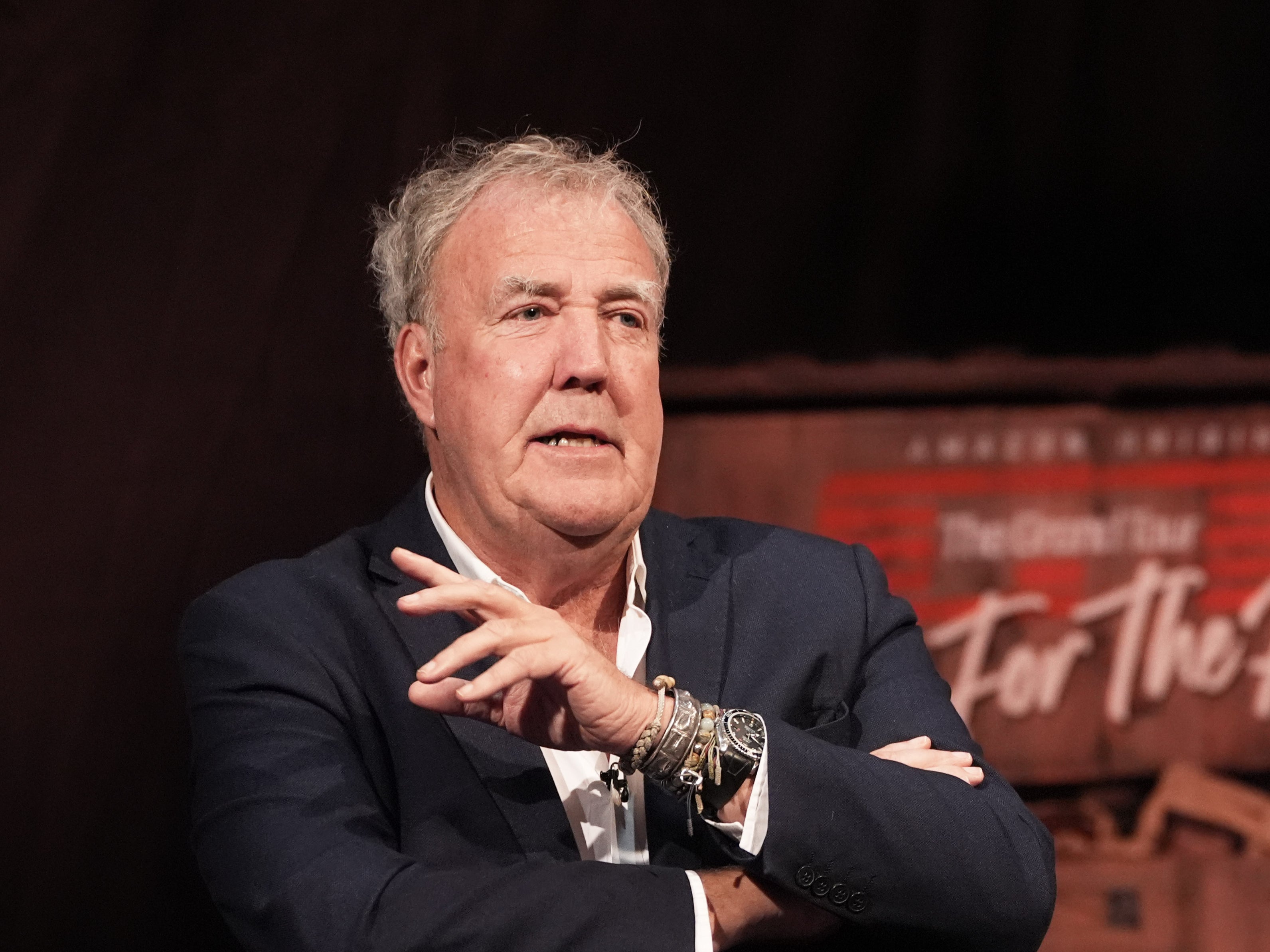
Despite these deeper reflections, Clarkson shows no signs of stepping away from the spotlight. The fifth season of Clarkson’s Farm is expected to return to Prime Video later this year, with reports suggesting a release window around May. The series continues to draw strong audiences, combining entertainment with an honest portrayal of farming life.
As anticipation builds for the new season, Clarkson remains a figure who can both entertain and provoke thought. His comments on organ donation may divide opinion, but they also reinforce what has long defined him—an ability to speak openly, challenge expectations, and keep audiences engaged.
Whether discussing farming, policy, or personal decisions, Clarkson continues to navigate his public and private life in a way that is uniquely his own. And as he looks ahead, balancing humour with reflection, one thing is clear: he is not afraid to explore difficult topics, even when the answers are far from simple.