Gold Rush S16E16 Recap: What Caused the Sluice to Go Quiet at the Worst Possible Time?
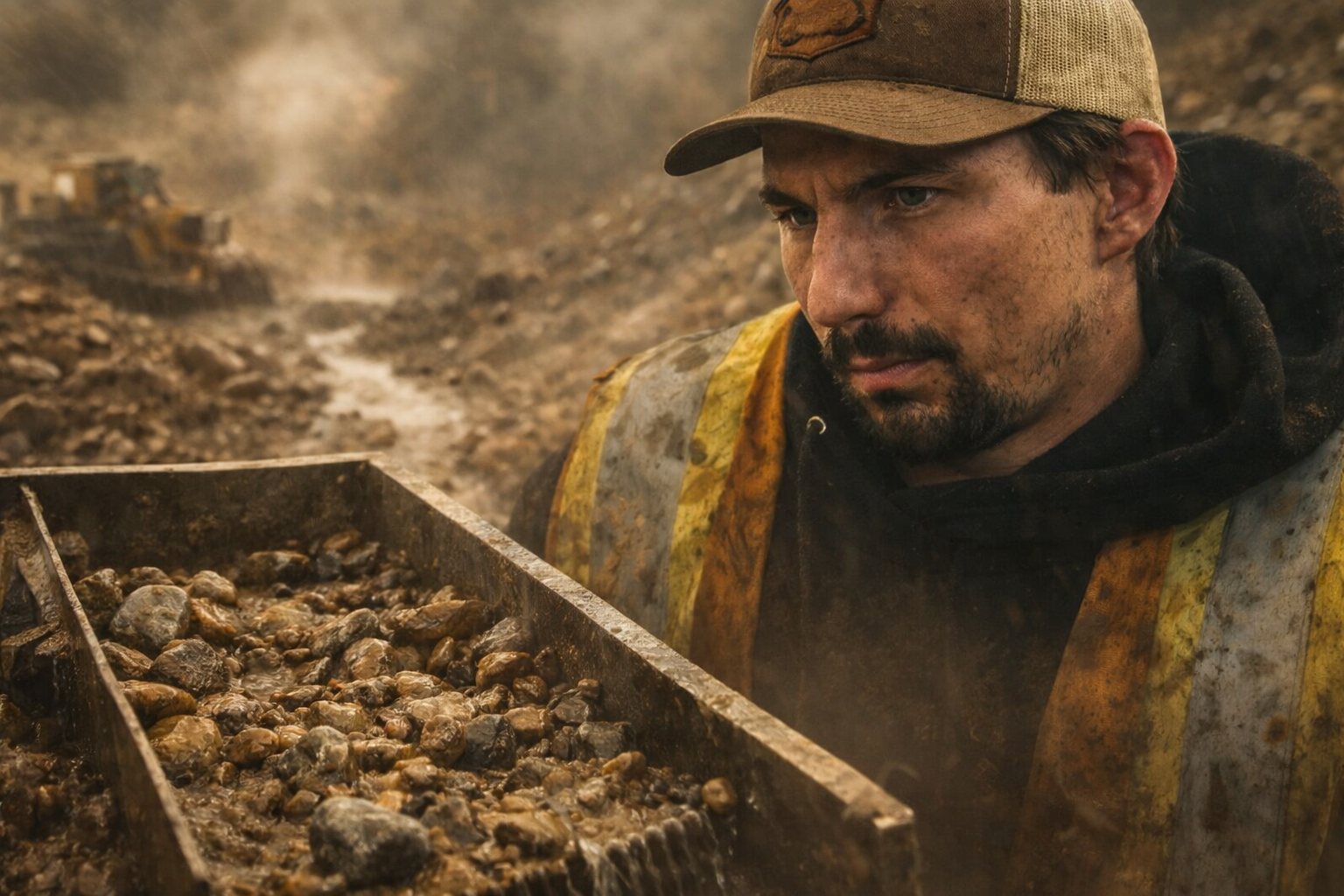
In gold mining, few sounds are more reassuring than the steady rush of water through a sluice box. It is the sound that signals progress, production, and the possibility that the long days of digging and hauling pay dirt may soon translate into ounces of gold.
But in Season 16 Episode 16 of Gold Rush, titled The Silence of the Sluice, that familiar sound suddenly disappears — and when it does, the consequences ripple across the operation.
For crews working in the Klondike, a silent sluice rarely means anything good.
A Season Under Pressure
By the time Episode 16 unfolds, the season has already reached a critical stage. Weeks of work, massive fuel costs, and relentless equipment wear have placed enormous pressure on every crew racing to meet their seasonal targets.
Parker Schnabel, known for pushing his team and equipment to the limit, has been running multiple wash plants in an ambitious effort to maintain momentum late into the season. With millions of dollars already invested in ground preparation, machinery, and labor, every hour of production matters.



A functioning sluice system sits at the heart of that production chain. It is where the gold is ultimately captured after tons of pay dirt are processed through the wash plant.

So when the sluice suddenly stops running, everything grinds to a halt.
The Moment the System Falls Silent
At first, the problem seems small — a momentary disruption that might resolve itself quickly. Crews have grown used to minor mechanical hiccups during long mining days.
But the silence persists.
Without water flowing through the sluice, the wash plant cannot process pay dirt. Excavators must pause. Conveyor belts slow down. Operators begin scanning the system for signs of trouble.
Within minutes, what appeared to be a brief interruption begins to look like something far more serious.
For a mining operation moving hundreds of yards of material every hour, even a short shutdown can cost significant production. A longer delay could threaten the entire week’s output.
The Hidden Vulnerability of Mining Systems
Gold mining machinery is built to handle extreme workloads, but it operates in some of the harshest conditions imaginable.

Mud, freezing temperatures, abrasive gravel, and constant vibration place enormous strain on pumps, pipes, and sluice systems. Even a single failure in the water delivery system can trigger a cascade of problems across the entire wash plant.
In Episode 16, the crew begins tracing the source of the silence.
Is it a pump failure?
A blockage in the water line?
Or a structural issue within the sluice system itself?
Each possibility carries its own risks — and its own potential repair time.
The Clock Starts Ticking
As the crew investigates the problem, the pressure grows.
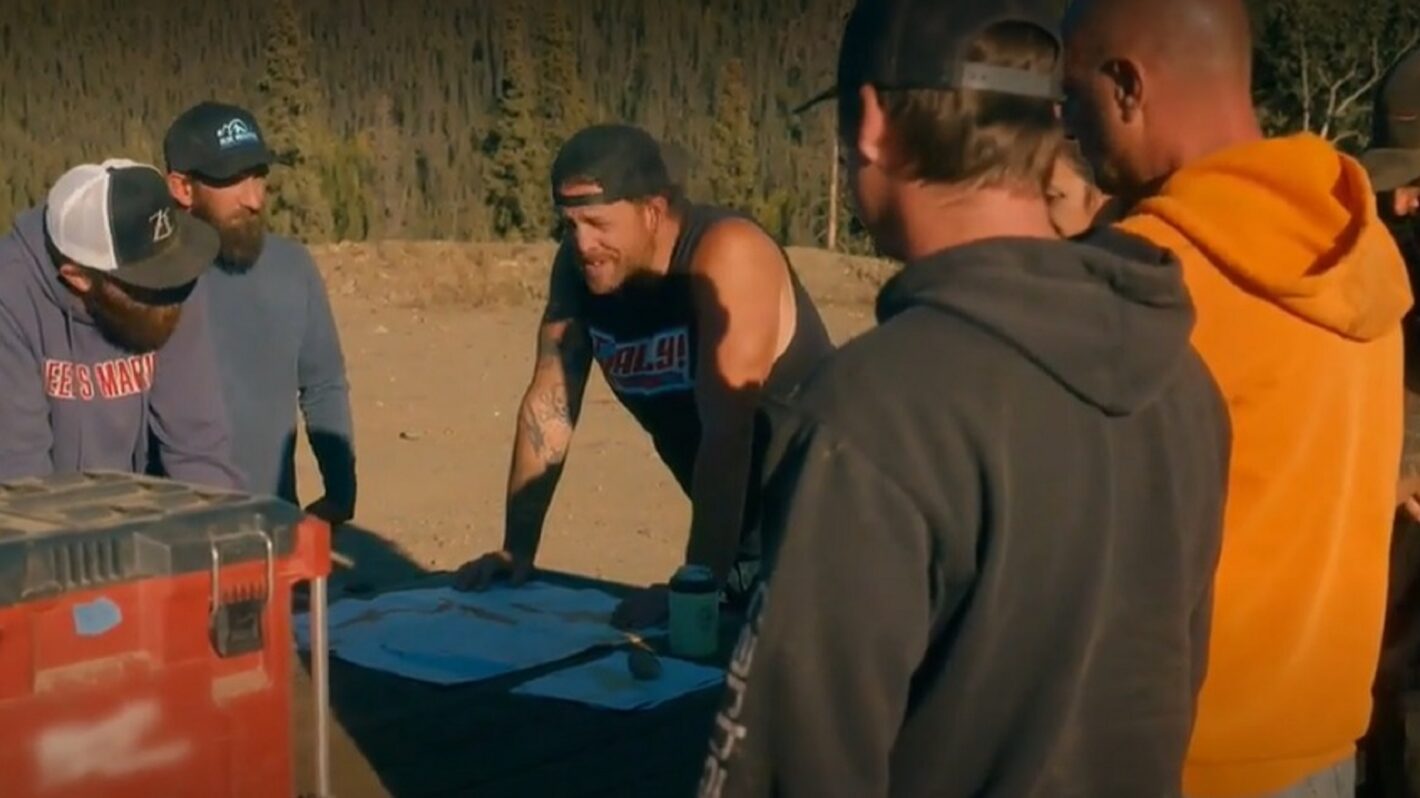
Every idle minute represents lost gold. Excavators sit ready with piles of pay dirt waiting to be processed. Truck drivers and machine operators stand by, aware that the delay could stretch far longer than expected.
For the crew leaders, decisions must be made quickly.
Do they shut the entire system down to inspect the problem more thoroughly?
Or attempt a quick repair and restart the plant before production losses mount?
The tension surrounding these decisions forms the core drama of the episode.
Why the Sluice Matters So Much
To viewers unfamiliar with mining operations, the sluice may seem like just one part of a much larger machine.
In reality, it is the final and most crucial step in the gold recovery process.
As pay dirt moves through the wash plant, water and vibration separate heavier materials from lighter sediment. The sluice box contains riffles designed to trap gold particles while allowing gravel and sand to wash away.
Without water flow, the entire recovery process stops.
No matter how much pay dirt has been excavated or prepared, none of it can produce gold until the sluice is operating properly again.
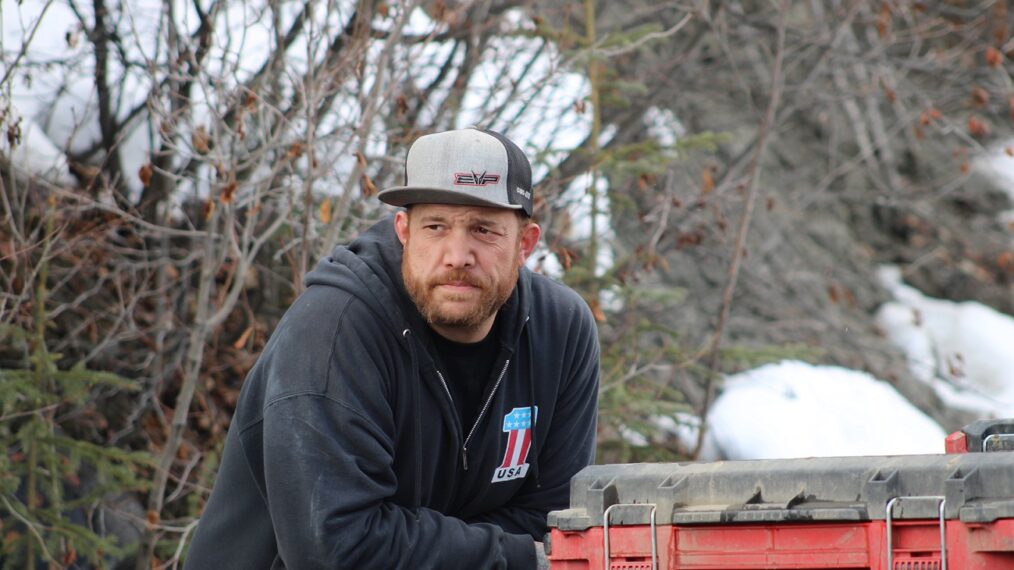
A Defining Moment in the Season
The silence at the sluice in Episode 16 serves as a reminder of just how fragile large-scale mining operations can be.
Even with modern machinery, experienced crews, and carefully planned operations, a single mechanical issue can bring production to an immediate halt.
Moments like these test the resilience of every crew working in the Klondike.
For Parker Schnabel and other mining leaders featured in Gold Rush, success often depends on how quickly problems can be identified and resolved under pressure.
The crews that adapt quickly keep their season alive.
Those that cannot risk watching valuable days of production disappear.
The Sound Everyone Wants to Hear Again
As the investigation continues and repairs are attempted, the entire crew waits for one simple signal — the return of water rushing through the sluice.
When that sound finally returns, it represents far more than machinery restarting.
It signals that the hunt for gold is back on.
In the unforgiving environment of the Klondike, where weather, equipment, and timing constantly test every operation, the difference between success and disappointment can sometimes come down to a single moment.
And in Episode 16, that moment arrives when the sluice finally falls silent — and everyone realizes just how much depends on getting it running again.