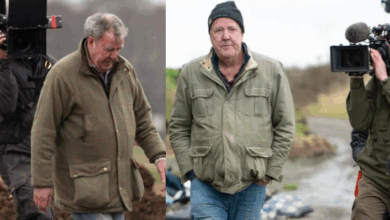
The Clarkson–Gates £100M Farm Story Goes Viral – Here’s What’s Really Happening.
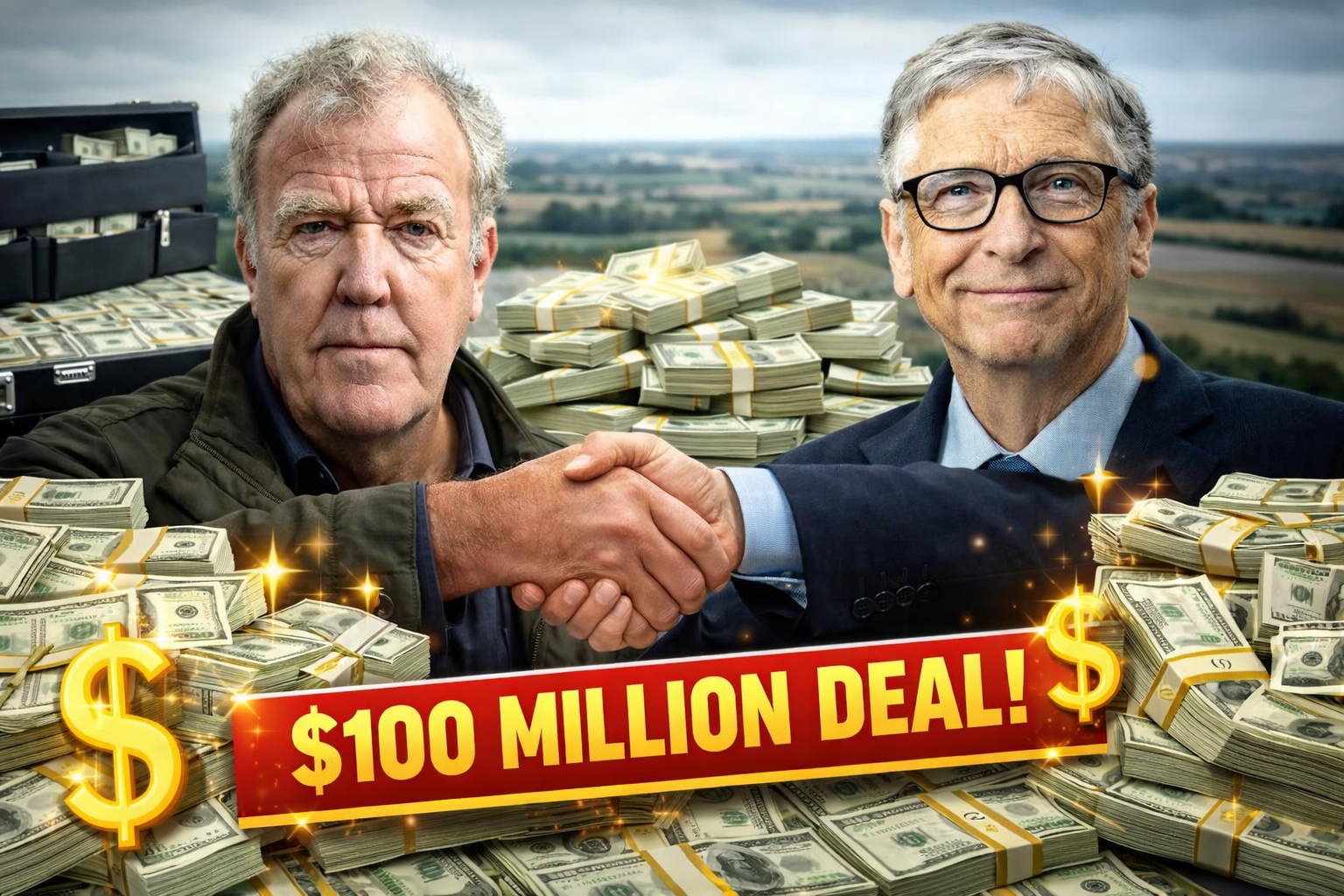
A viral social media video claiming that Jeremy Clarkson refused a £100 million offer from Bill Gates to buy his Oxfordshire farm has been confirmed as fictional — despite widespread online speculation.
The clip, which circulated heavily on Facebook in early February 2026, was framed as a dramatic confrontation between “The Farmer and the Billionaire.” Its title suggested Clarkson had turned down a nine-figure bid for Diddly Squat Farm, the rural property made famous through the Amazon series Clarkson’s Farm. The narrative leaned heavily into themes of corporate land acquisition, sustainability politics, and rural resistance.
But the story does not withstand scrutiny.
The Disclaimer Hidden in Plain Sight
At first glance, the video appeared formatted like a breaking news report, complete with dramatic timestamps and a structured storyline. However, the accompanying post included a lengthy disclaimer — partially hidden beneath Facebook’s “See more” link — clarifying that the content was a “creative storytelling project.”
The disclaimer explicitly stated that the narrator was not Jeremy Clarkson and that the video was a dramatized commentary inspired by broader debates around corporate land ownership. It also stressed that the claims were part of “social commentary” rather than factual reporting.

Despite this, the headline and opening lines were crafted to resemble legitimate news coverage. The phrase “Why I said NO” implied a direct quotation from Clarkson, reinforcing the illusion of authenticity.
The strategy appears deliberate: eye-catching claims at the top, disclaimers further down.
Clarkson Responds
Clarkson himself responded indirectly to the rumour. In a comment under a now-deleted post that repeated the claim, he reportedly dismissed the story bluntly, calling it “bollocks.”
There has been no verified evidence of any such £100 million offer from Gates or any Gates-linked entity. No credible financial reporting or official statements support the idea that Diddly Squat Farm was targeted in this way.
The Broader Context
The rumour gained traction partly because it tapped into existing public narratives. Gates has previously invested in farmland in the United States, a fact frequently cited in online discussions about corporate land ownership. Meanwhile, Clarkson has been vocal about agricultural policy and rural economics in the UK.
Blending those two public figures into a dramatic land-sale standoff made the story emotionally compelling — even if untrue.
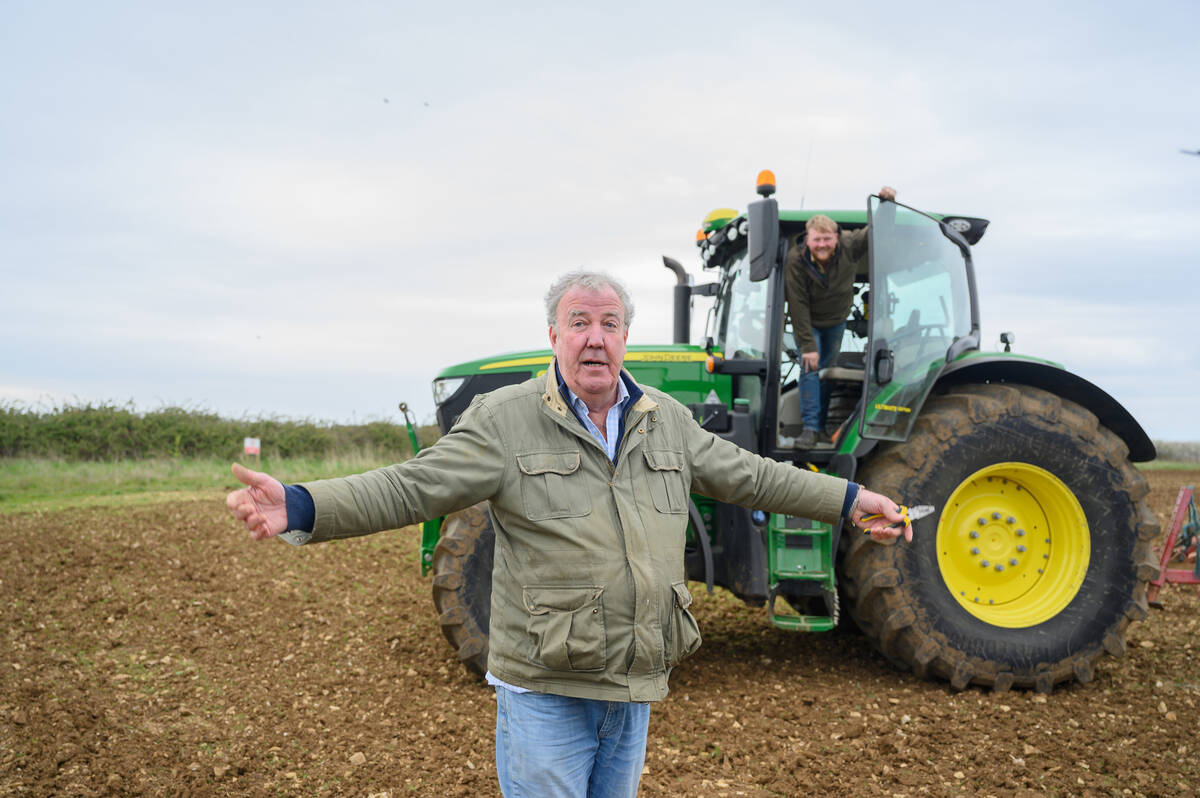
The viral post also exploited themes familiar to viewers of Clarkson’s Farm: independent farmers versus bureaucracy, financial pressures on rural communities, and tension between traditional agriculture and modern corporate structures. By positioning Clarkson as a symbolic defender of “the countryside,” the video amplified its emotional appeal.
AI and Dramatized Narratives
This incident highlights a growing challenge in the digital media landscape. Advances in AI-generated video and voice technology allow creators to produce convincing content that mimics real personalities. Even when disclaimers are present, they may be overlooked if the headline or opening frames present the material as factual.
The structure of the video — including dramatic timestamps, legal disclaimers, and references to shell companies and “legal warfare” — was designed to create a sense of investigative legitimacy.
Yet closer inspection reveals that the creators clearly labeled the piece as fictional commentary. The issue lies less in hidden fabrication and more in how social media platforms compress and present information. Many viewers engage only with headlines and clips, not full disclaimers.

No Sale, No Offer
As of now, Diddly Squat Farm remains under Clarkson’s ownership, and there is no evidence of any £100 million proposal from Bill Gates or related entities.
The viral clip serves as a reminder of how easily dramatized narratives can blur into perceived fact — especially when they involve high-profile names and emotionally resonant themes.
In this case, the “farmer versus billionaire” storyline may have captured attention. But it was a scripted narrative, not a documented negotiation.
For viewers and readers alike, the episode underscores the importance of looking beyond headlines — particularly when the truth may be sitting just below a “See more” button.