Gold Rush Season 16: Why The King of Kino Becomes Rick Ness’s Hardest Chapter Yet.
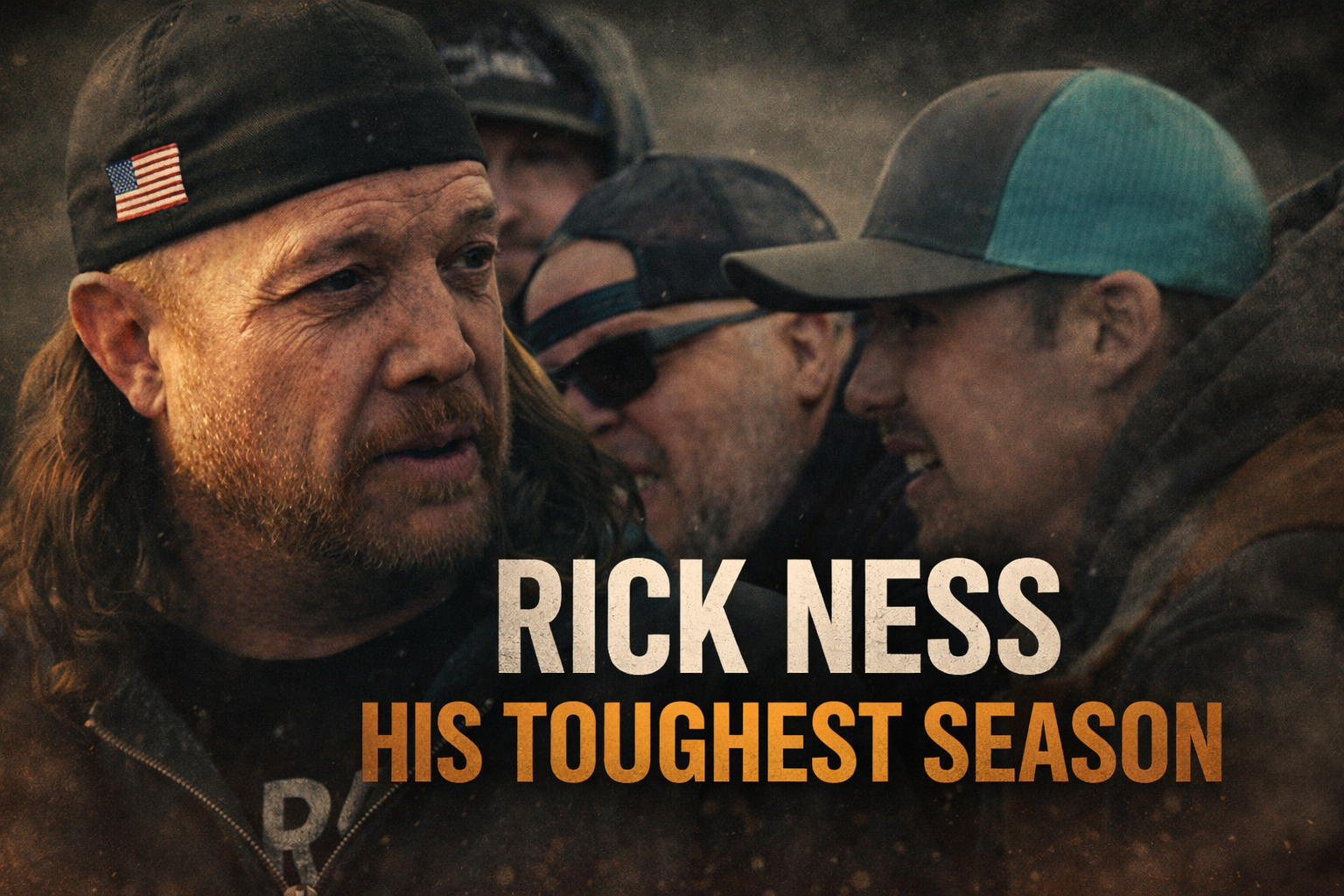
Season 16 of Gold Rush has been defined by pressure from the very first cut, but no miner has endured a steeper climb than Rick Ness. While soaring gold prices and strong production numbers have lifted rival crews, Rick’s season has unfolded as a prolonged test of endurance—marked by delays, financial strain, and decisions that carry consequences far beyond a single cleanup.
That struggle comes sharply into focus in the special episode The King of Kino, which shifts the lens almost entirely onto Rick and his crew. Much like the earlier Season 16 special No Days Off, centred on Parker Schnabel and his relentless expansion, this episode slows the pace to examine one miner’s journey in detail. But the contrast could not be clearer. Where Parker’s story was about growth and dominance, Rick’s is about survival.
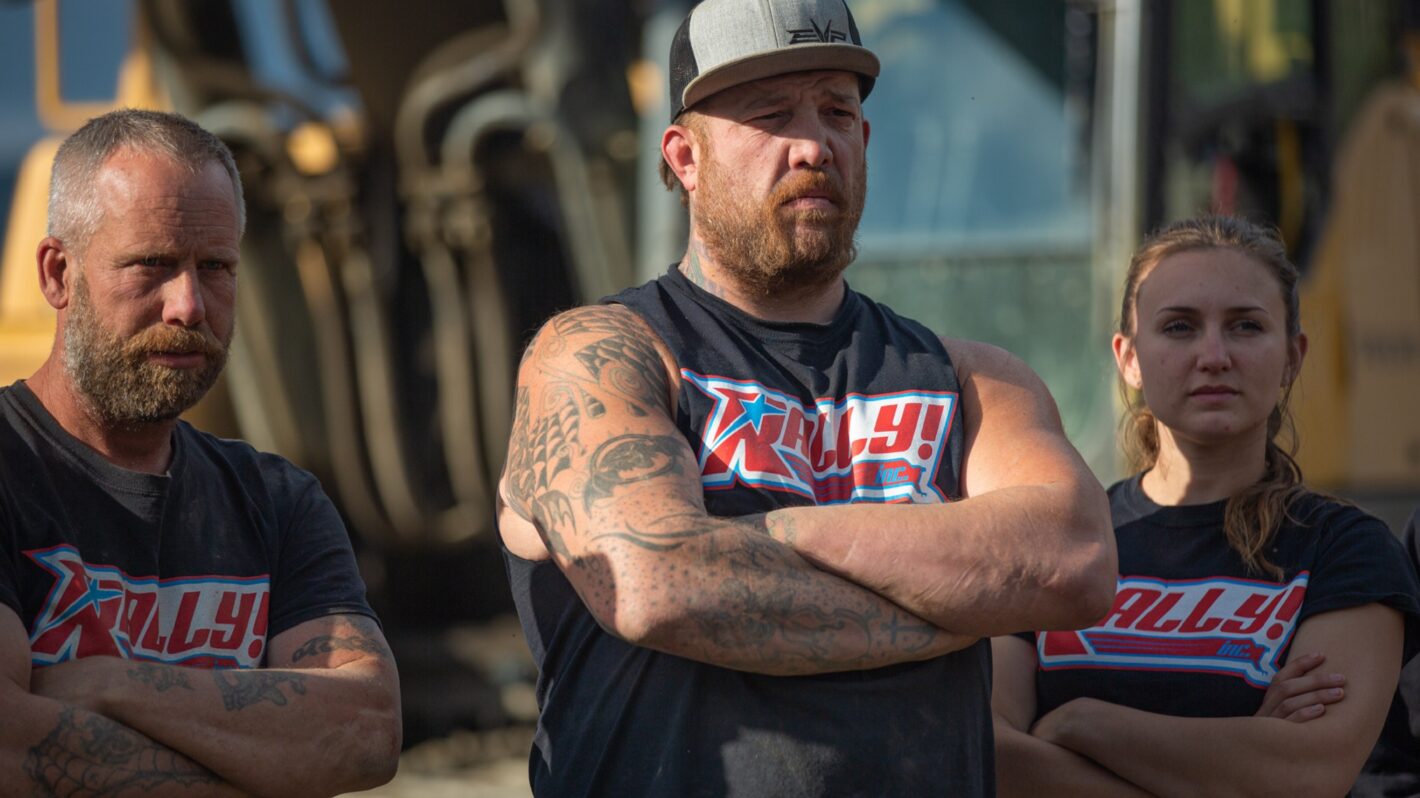
From the opening weeks, Rick found himself trapped by circumstances outside his control. Without a valid water permit, he was forced to abandon Duncan Creek before meaningful mining could even begin. Time slipped away as costs continued to rise. Equipment payments, fuel, wages, camp logistics—everything demanded cash, yet no gold was coming in. Each idle day chipped away at morale and confidence.




With options narrowing, Rick made a risky decision to move his operation to Lightning Creek under a deal with landowner Troy Taylor. The move was driven by urgency rather than certainty. Even before stripping overburden, expenses piled up at an alarming rate. Heavy machinery, transport, and labour costs mounted, all while the sluice boxes remained empty.

Rick pressed on, determined to make Lightning Creek work. His crew battled mechanical breakdowns, difficult terrain, and unpredictable ground conditions. When gold finally appeared in the boxes, the relief was short-lived. The returns were disappointing. The ground simply lacked the rich pay Rick needed to justify the investment. Each cleanup brought more tension and harder questions.
Walking away was not easy. Abandoning Lightning Creek meant accepting that weeks of labour and significant money would never be recovered. Yet staying meant continuing losses with little hope of improvement. The pressure weighed heavily on Rick, who knew that every decision affected not just his own future, but the livelihoods of everyone working alongside him.
Then came a long-awaited development: Rick’s water permit for Vegas Valley was finally renewed. The news injected cautious optimism into the camp. It opened the door to returning to Duncan Creek, ground with better geological data and a more predictable history. But the choice carried its own cost. To go back, Rick had to shut down Lightning Creek entirely, leaving behind sunk expenses and unfinished hopes.

Rick chose certainty over stubbornness and moved back to Duncan Creek. Yet even there, reality offered little comfort. Early production failed to meet expectations, and progress slowed. More concerning were the safety issues. Steep pit walls and unstable ground created ongoing risk, with the possibility that inspectors could halt operations altogether if conditions were deemed unsafe.
To address the danger, Rick faced another brutal decision: invest weeks reshaping the pit—flattening walls and widening cuts—to make the site safe, or search for new ground that might offer quicker returns before the season slipped away. Either path carried serious consequences. Safety improvements meant time and money with no guarantee of payoff. Moving again meant chasing opportunity with limited time left.
That crossroads defines The King of Kino. In one of the episode’s most tense moments, Rick sets out late at night to stake new ground—a symbolic act driven by instinct, urgency, and refusal to quit. It is not framed as bravado, but as a final push born from experience and belief.
This special does not promise easy answers. Instead, it reveals the human cost of mining when plans unravel and margins disappear. For Rick Ness, The King of Kino captures a season where resilience matters more than ounces—and where every decision carries weight long after the cameras stop rolling.