The Disappearance Fans Can’t Ignore: What Happened to Mitch Blaschke on Gold Rush?
Where Is Mitch Blaschke? The Quiet Shift Behind Parker Schnabel’s Biggest Gold Rush Gamble
As Gold Rush powers through one of its most ambitious seasons yet, much of the spotlight has understandably fallen on Parker Schnabel and his audacious push toward a historic 10,000-ounce season. Multiple wash plants, soaring gold prices, and record-level spending have turned Season 16 into a high-pressure, high-reward spectacle.
Yet amid the roar of machinery and seven-figure weigh-ins, longtime viewers have noticed something unusual: Mitch Blaschke isn’t on screen nearly as often as before.
For fans who have followed the show for years, Mitch’s reduced visibility feels unsettling. For much of Gold Rush’s modern era, Mitch was more than just Parker’s head mechanic. He was the stabilizer, the fixer, the calm voice when chaos threatened to derail the season. When wash plants failed, sluice runs clogged, or gold inexplicably vanished, Mitch was usually at the center of the solution. His presence reassured both Parker and the audience that problems, however severe, could be solved.
So what changed?





Not a Disappearance—A Promotion in Disguise
The short answer is this: Mitch hasn’t become less important. He’s become more trusted.
Season 16 is fundamentally different from previous years. To realistically chase 10,000 ounces, Parker had to abandon the traditional model of one central operation with all senior leadership clustered together. The scale of the goal demanded decentralisation.
Instead of micromanaging every breakdown, Parker split his empire into semi-independent units. Each major site now runs with its own leadership, decision-making authority, and accountability. At Indian River, Mitch Blaschke and Brennan Ruault were given near-total control of daily operations. At Dominion Creek, Tyson Lee stepped into a far more visible leadership role. Parker repositioned himself as an overseer, tracking gold totals, managing risk, and stepping in only when something threatens the entire season.
That structural shift alone explains much of Mitch’s absence from the camera.
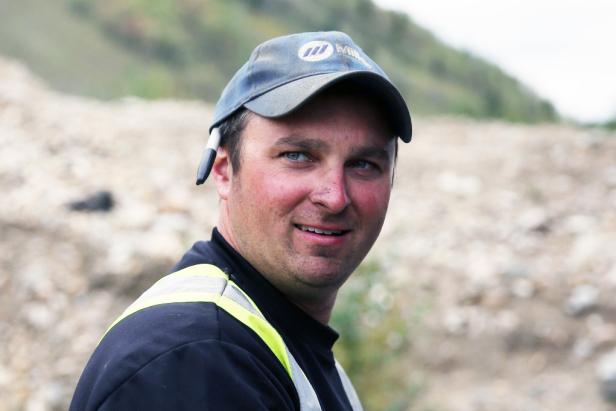
Reality TV Follows Problems—Not Stability
There’s an irony here that seasoned Gold Rush fans will recognise. When Mitch dominated screen time in earlier seasons, it was usually because something was wrong. Broken trommels, gold loss, emergency rebuilds—Mitch was visible because he was urgently needed.
This season, Indian River hasn’t produced that level of recurring disaster. The plant has run efficiently, consistently, and without the kind of dramatic failures that demand on-camera intervention. In reality television, smooth success rarely makes compelling drama. Crises do.
In other words, Mitch’s lower profile may actually be the strongest evidence yet that he’s doing his job exceptionally well.
Trust You Don’t Have to Explain
Perhaps the most telling change is Parker’s behaviour. He doesn’t hover over Indian River. He doesn’t second-guess Mitch’s decisions on camera. That silence isn’t neglect—it’s confidence.

Mitch has reached a point in Parker’s organisation where oversight is minimal because results are dependable. Earlier in Parker’s career, the operation was fragile enough that he needed Mitch close, visible, and ready to respond at a moment’s notice. Now, Parker is running something closer to a mining network than a single crew.
Mitch’s role has evolved from visible problem-solver to embedded leadership—quietly ensuring one critical arm of the operation runs smoothly while Parker manages bigger strategic risks elsewhere.
Why Fans Shouldn’t Worry
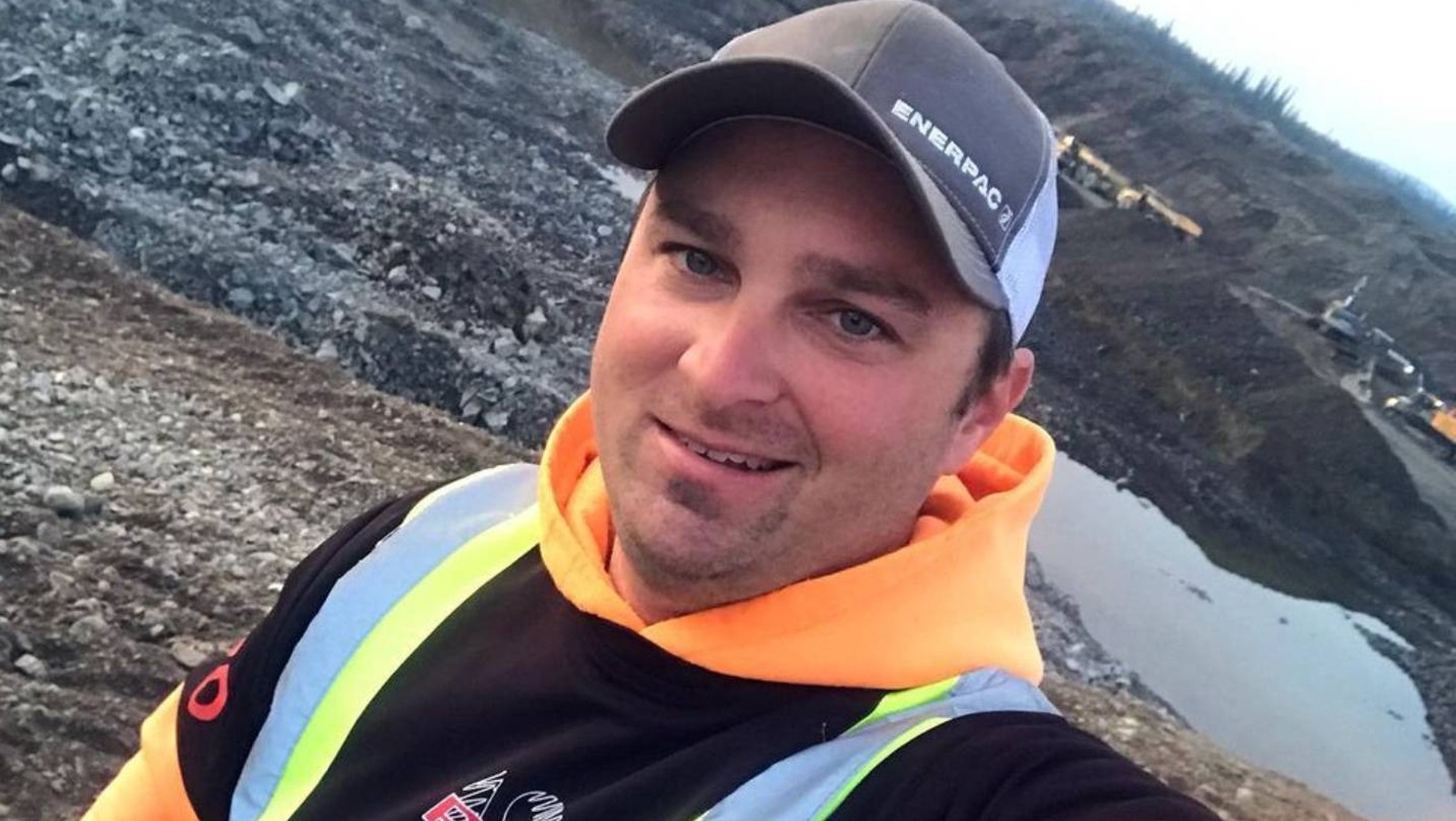
Gold Rush has always shifted its narrative focus to wherever pressure is highest. This season, that pressure sits with expansion, financial exposure, and new leadership stepping into the spotlight. It’s not that Mitch Blaschke matters less. It’s that his competence has made him less of a storyline.
If anything, his reduced screen time suggests he has become exactly what every large-scale operation needs: a leader whose success doesn’t require constant explanation.
And in a season defined by scale, risk, and ambition, that may be Mitch Blaschke’s most important role yet.