Oak Island’s Swamp Bricks: Breakthrough Discovery or the Season’s Biggest Misdirection?
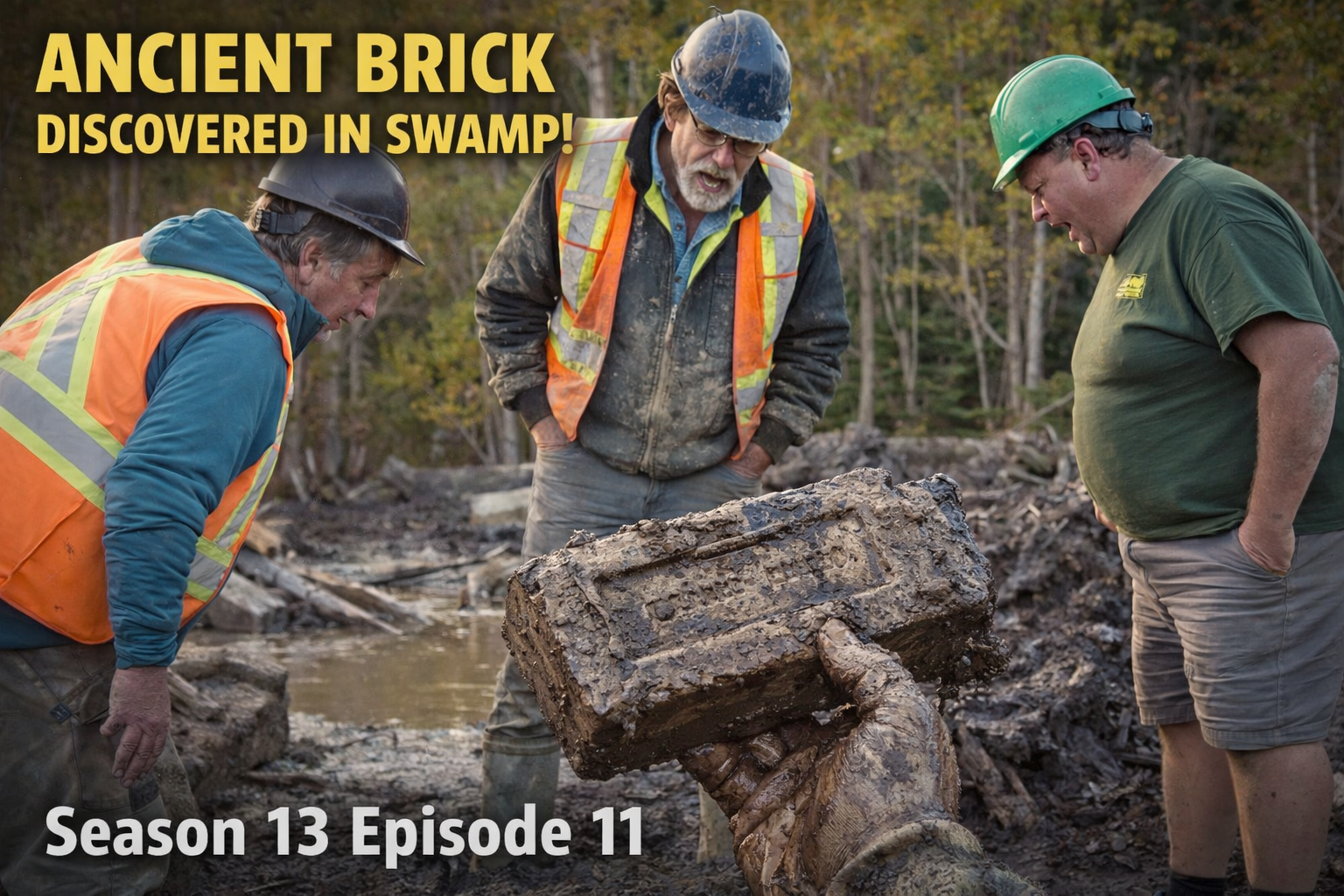
The moment felt electric. In the murky northern section of Oak Island’s swamp, a shovel struck something solid—not wood, not stone, but fired brick. In Season 13, Episode 11 of The Curse of Oak Island, the team revealed what they described as “a heck of a lot of bricks” buried deep beneath centuries of rot, sulfur, and sediment.
To the casual viewer, bricks mean construction. Construction means intention. And intention, on Oak Island, inevitably points to vaults, tunnels, and hidden treasure. The show’s editing leans heavily into that implication. Music swells. Medieval orders are mentioned. Suspense builds.
But when the excitement settles, a far more uncomfortable question emerges: do these bricks actually support the vault theory—or do they undermine it entirely?
Why Bricks in a Swamp Don’t Add Up
In the 17th and 18th centuries, bricks were not cheap, disposable building materials. In Nova Scotia, timber and stone were abundant. Brick, by contrast, required kilns, skilled labor, and high-temperature firing—an industrial process rarely undertaken in colonial outposts unless absolutely necessary.

That reality alone makes hundreds of fired red bricks buried in a swamp an economic anomaly. Engineers of the period also understood one basic rule: you do not build brick structures on peat and muck. Without bedrock, brick walls crack, shift, and collapse. Any vault roof built atop a bog would fail within years, if not months.



So if these bricks were not structural, what were they for?
The Overlooked Maritime Explanation
To maritime historians, the answer may be far less mysterious—and far more consequential.
For centuries, European ships relied on brick ballast to stabilize their hulls. Fired bricks were dense, stackable, and less prone to shifting than loose stone. When ships unloaded heavy cargo—gold, supplies, or military materials—they often dumped ballast to rebalance or scuttle vessels.
Oak Island’s swamp was likely once an open tidal harbor. If a ship entered fully laden, offloaded its cargo, and either sank or was deliberately abandoned, its ballast could easily remain behind—settling into the mud as the vessel decayed.
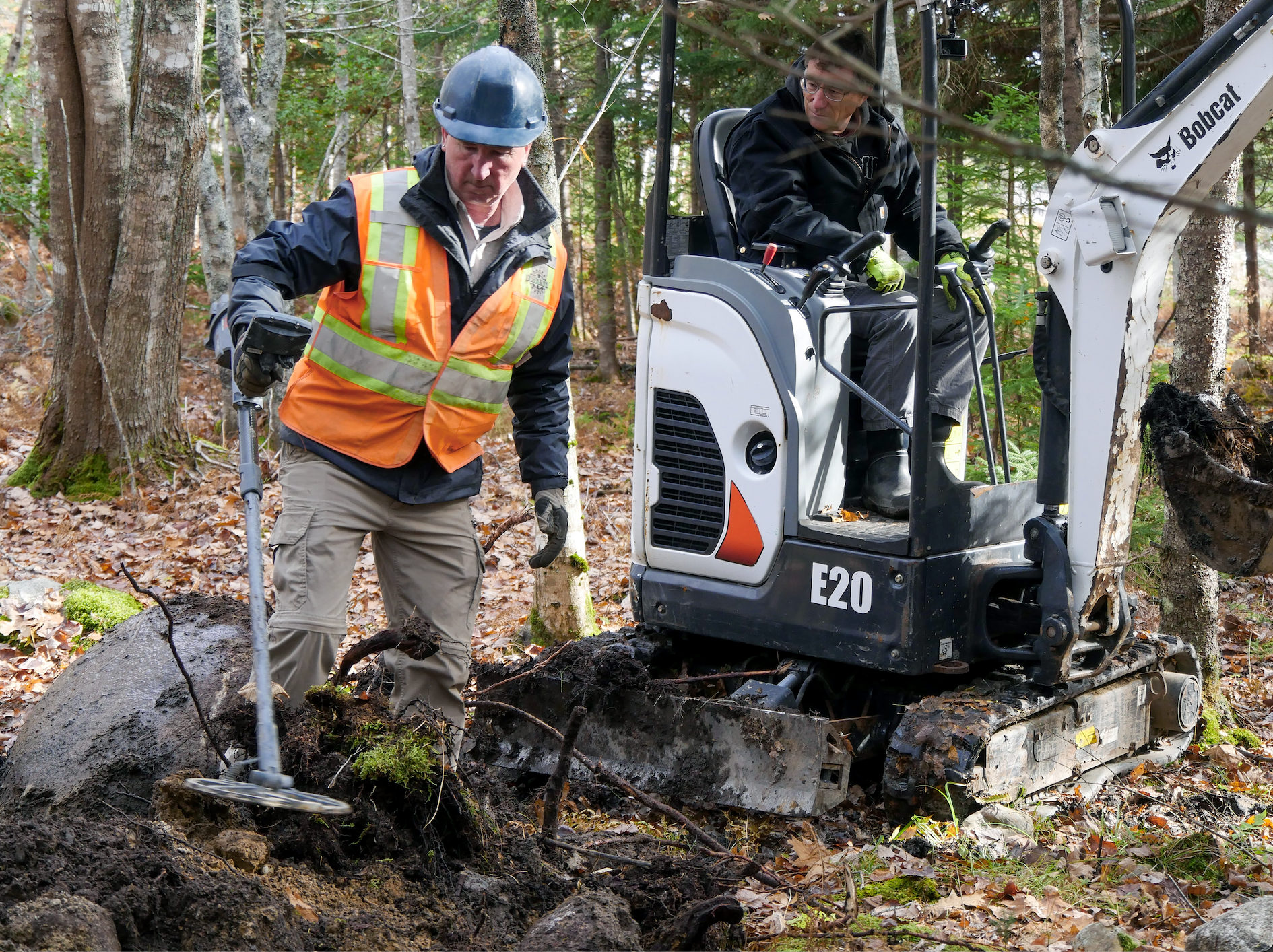
A loose, scattered concentration of bricks is consistent with ballast dumping or a shipwreck. A mortared, ordered layout would suggest construction. So far, viewers have seen piles—but not walls.
The Telling Absence of Brick Analysis
What makes the discovery troubling is not what has been shown—but what has not.
The episode offers no clear close-ups of brick faces. No visible maker’s marks. No discussion of manufacturing technique. And most notably, no mention of optically stimulated luminescence (OSL) testing, a standard archaeological method used to date when brick clay was last fired.
OSL testing could quickly determine whether these bricks date to the 1600s—or the late 1800s searcher era. Either result would dramatically reshape the narrative. The lack of such analysis raises the possibility that conclusions are being delayed for storytelling purposes rather than scientific ones.
If Not Ballast, Then What?
There is one alternative explanation that keeps the mystery alive without defying engineering logic.
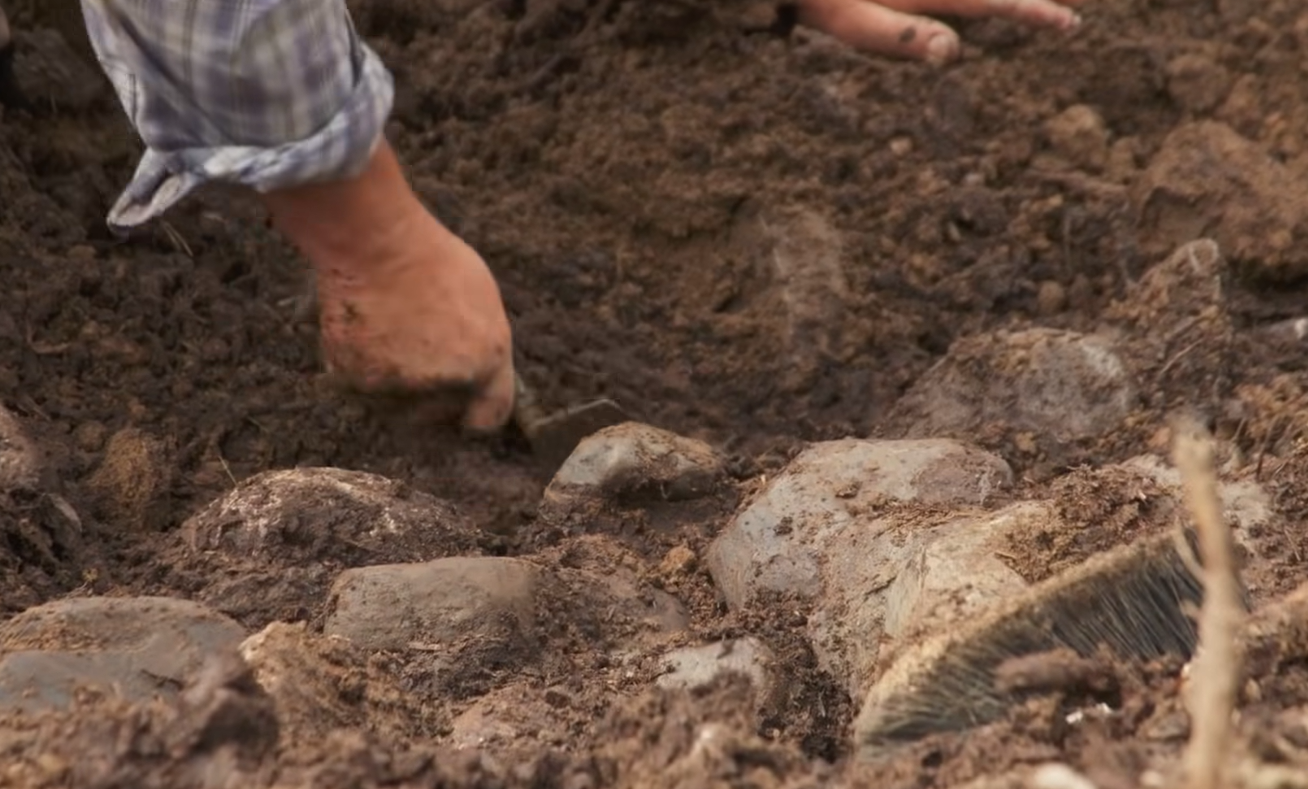
Bricks were sometimes used in early European hydraulic systems—particularly in French and Dutch designs—to reinforce dams, sluices, and water-control structures. If the swamp functioned as part of a managed flood system tied to the Money Pit, bricks could have played a role in stabilizing clay-lined channels or drainage controls.
That theory would suggest not pirates, but organized military engineers—a far more complex operation than typically acknowledged.
What the Bricks Really Represent
At minimum, the swamp bricks confirm significant human activity. They were transported intentionally. They served a purpose. But the leap from bricks to “vault” remains unsupported.
The most plausible interpretation remains maritime: the ghost of a ship, not the roof of a treasure chamber. And if a ship was there, the more important question follows naturally—what cargo justified its presence?
As Season 13 continues, viewers should watch carefully—not for dramatic narration, but for evidence. Are bricks stacked with mortar? Or scattered without order? Are they dated? Or deliberately left ambiguous?
On Oak Island, the difference between a dump and a discovery often comes down to what the camera chooses not to show.