Jeremy Clarkson Says He Holds ‘No Grudge’ Against BBC Despite Tumultuous Past – A Look at His New Vision for UK Broadcasting.
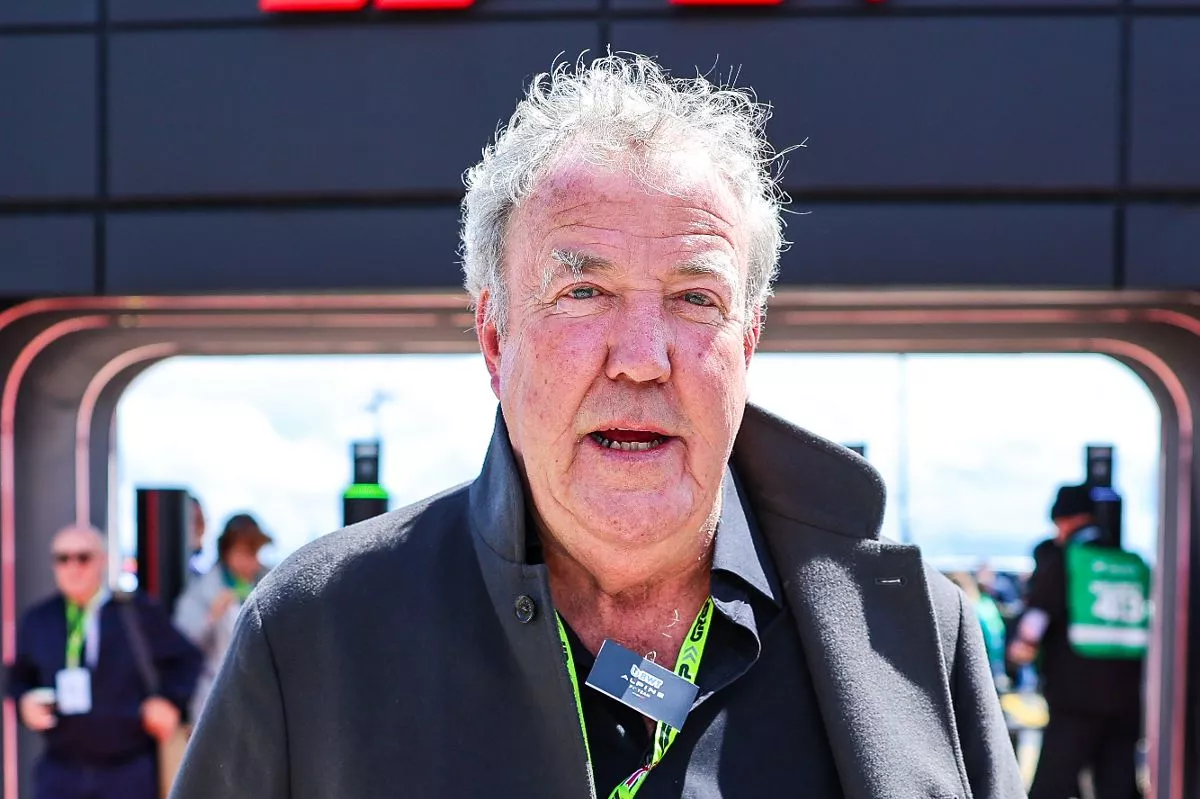
Jeremy Clarkson, the former Top Gear host turned farmer and TV star, has revealed that he holds “no grudge” against the BBC, despite the dramatic and highly publicized fallout that led to his departure a decade ago. Speaking candidly in a recent piece for The Sunday Times, Clarkson reflected on his exit from the BBC in 2015 and the subsequent rise of his career, particularly his success with Amazon’s The Grand Tour and Clarkson’s Farm.
Clarkson, who owns the Diddly Squat Farm and The Farmer’s Dog pub in the Cotswolds, was a household name as the lead presenter of Top Gear alongside Richard Hammond and James May for over a decade. However, his tenure at the BBC came to an abrupt end after his contract was terminated due to allegations of verbal and physical abuse against a producer. The move by the BBC sparked a media firestorm, and Clarkson was soon replaced, with his co-stars following suit. However, Clarkson, ever the irreverent personality, made a swift comeback, embarking on a new chapter with The Grand Tour, which has since gained immense success on Amazon Prime.

Following the Top Gear debacle, Clarkson also launched the hit Clarkson’s Farm series, which takes viewers through the highs and lows of managing his 1,000-acre farm in the UK. The show quickly became a fan favorite, making stars of his co-cast members, including Kaleb Cooper and Lisa Hogan, as it documented Clarkson’s attempts to run a farm—an endeavor that proved far more difficult than he ever expected. With four successful seasons under his belt, Clarkson’s farming exploits have turned into a major success, all the while he continues to draw attention and ruffle feathers in the UK media landscape.
Despite his immense success following his departure from the BBC, Clarkson says he bears no ill will toward the corporation. “I don’t have a grudge,” Clarkson says, explaining that he remains unbothered by the past. In fact, he admits that he feels “a tiny bit smug” about the state of affairs at the BBC today. Clarkson’s retrospective comments come at a time when the BBC is embroiled in several controversies, including the revelations about disgraced former presenter Jimmy Saville, allegations surrounding news anchor Huw Edwards, and criticism over its coverage of events like the Gaza war and the Glastonbury festival.
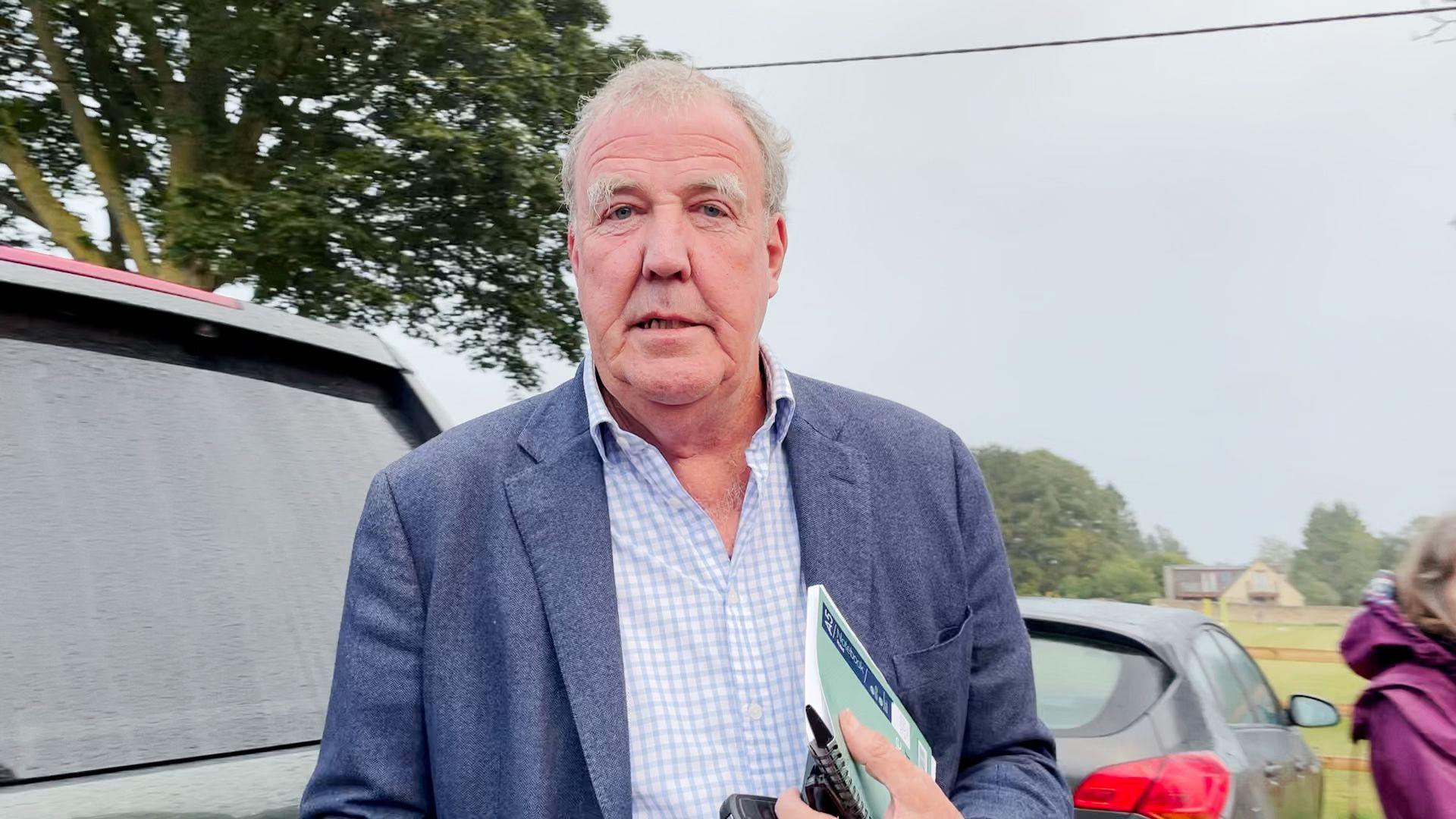
In his column, Clarkson went on to discuss the BBC’s recent struggles, noting that the broadcaster’s Christmas Day ratings were the worst they’ve ever been. It’s clear from his remarks that Clarkson, despite the public fallout, has taken some satisfaction in the BBC’s struggles since his departure.
Clarkson also proposed a radical overhaul of the UK’s broadcasting system. Drawing on his decades of experience in television, he suggested that all the nation’s broadcasters be brought under a “one massive Union flag umbrella,” with scheduled programming being slashed in favor of a more streamlined approach. Moreover, Clarkson suggested that the BBC’s license fee should be cut significantly, but should remain intact for news services.
His sharp remarks come at a time when the BBC has faced increased scrutiny for both its internal scandals and its handling of major news events. Clarkson, who is no stranger to controversy, has shown time and again that he’s unafraid to speak his mind, even when it might not be the most popular opinion.

As Clarkson continues to enjoy success with his farming series and remains a vocal critic of the BBC’s policies, it’s clear that his departure from the broadcaster was only the beginning of a new, highly successful chapter in his career. With Clarkson’s Farm continuing to grow in popularity and his influence in the UK media landscape expanding, Clarkson is poised to remain a dominant voice in British broadcasting, even if he remains at odds with the very institution that once employed him.
For those who continue to follow his journey, Clarkson’s candid thoughts on the state of the BBC, the challenges faced by the farming community, and his own evolving career show no signs of slowing down. Whether his criticisms will spark a larger shift in UK broadcasting remains to be seen, but one thing is clear—Jeremy Clarkson isn’t going anywhere.