Parker Schnabel’s High-Pressure Call at Sulphur Creek Could Define Gold Rush Season 16

Six weeks into the mining season, Parker Schnabel found himself standing at a decisive moment in Gold Rush Season 16. His bold objective—extracting more than $35 million worth of gold—was still achievable, but only if every remaining decision landed correctly. Across his operation, the numbers looked encouraging. At Dominion Creek, Tyson Lee had already stacked more than 1,500 ounces. Meanwhile, at Sulphur Creek, Mitch Blaschke was quietly building momentum, delivering consistent gold week after week.
Yet one problem overshadowed everything else: time. Sulphur Creek was operating under a water license that was rapidly approaching its expiration. Once that deadline hit, mining would have to stop immediately—no extensions, no exceptions. From day one, Parker pushed the crew hard, knowing every hour mattered. The initial plan was straightforward: mine fast, recover what they could, and shut down before the clock ran out.
As the weeks passed, however, the ground told a different story. Mitch’s wash plant delivered a standout cleanup of more than 350 ounces in a single week, a clear sign that Sulphur Creek still had serious potential. Parker suspected that earlier miners, working with outdated equipment, had left valuable gold behind. Gold has a habit of settling into pockets, and Parker believed this ground still had more to give.
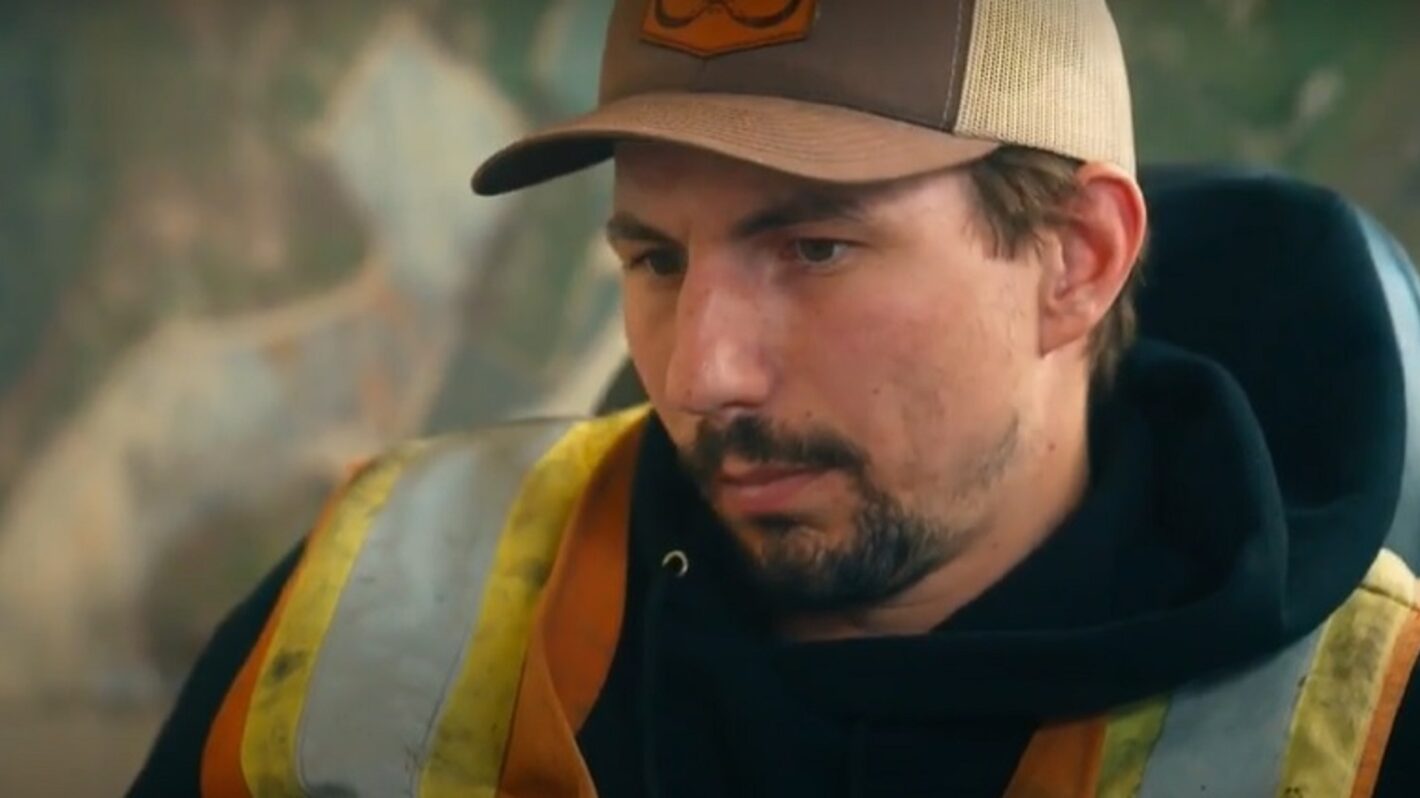
The pace at Sulphur Creek became relentless. Stripping, hauling, and feeding the plant ran almost nonstop. But just as the operation found its rhythm, pressure intensified. One of Mitch’s strongest operators was reassigned to help open ground elsewhere, leaving Sulphur short-handed at a critical moment. Despite the setback, the crew pushed on.




Then came a turning point. While inspecting a deep, muddy cut, the team realized a section of upper ground had never been tested. A quick pan was taken, more out of curiosity than expectation. When the water cleared, the result stopped everyone in their tracks. The pan was littered with bright gold. That single test changed the entire conversation. It was now clear that more pay remained—but the question was whether there was enough time to reach it.
Expanding the cut would mean additional stripping, hauling, processing, and reclamation, all while the water license deadline continued to close in. One misstep could leave the crew buried in unfinished work with no legal way to continue. Still, walking away from visible gold was never Parker’s instinct.
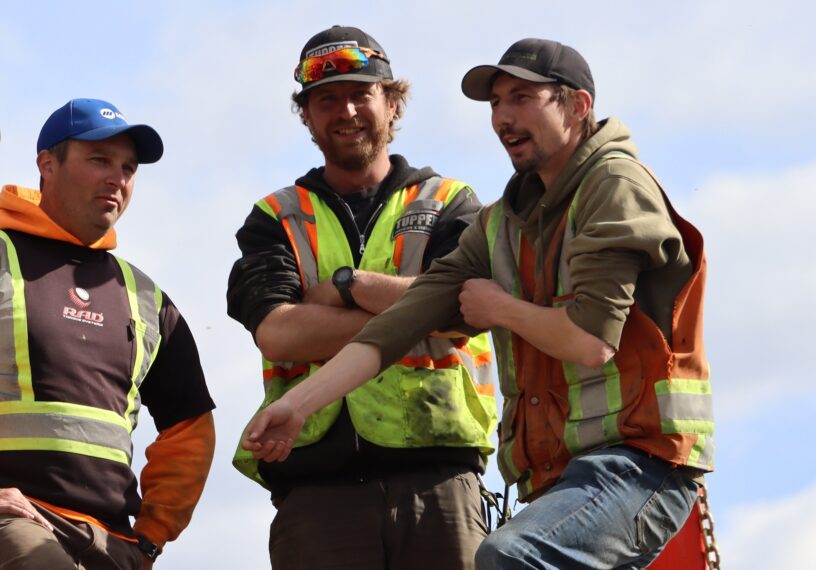
After surveying the area, Parker became convinced the pay streak extended further—possibly all the way to the road. He made the call to expand the cut by two more acres and ordered Mitch to push as hard as possible before time ran out. Extra trucks were brought in. Two excavators were added. A loader was assigned full-time to keep the wash plant fed. The goal was simple: keep dirt moving and never let the plant go dry.
Then, just as the operation reached full speed, an excavator went down. Every hour offline meant thousands of dollars lost, and there was no time to spare. Tension spread quickly until mechanic Taylor Matejka traced the issue to a faulty parking brake and got the machine running again before the delay became critical.
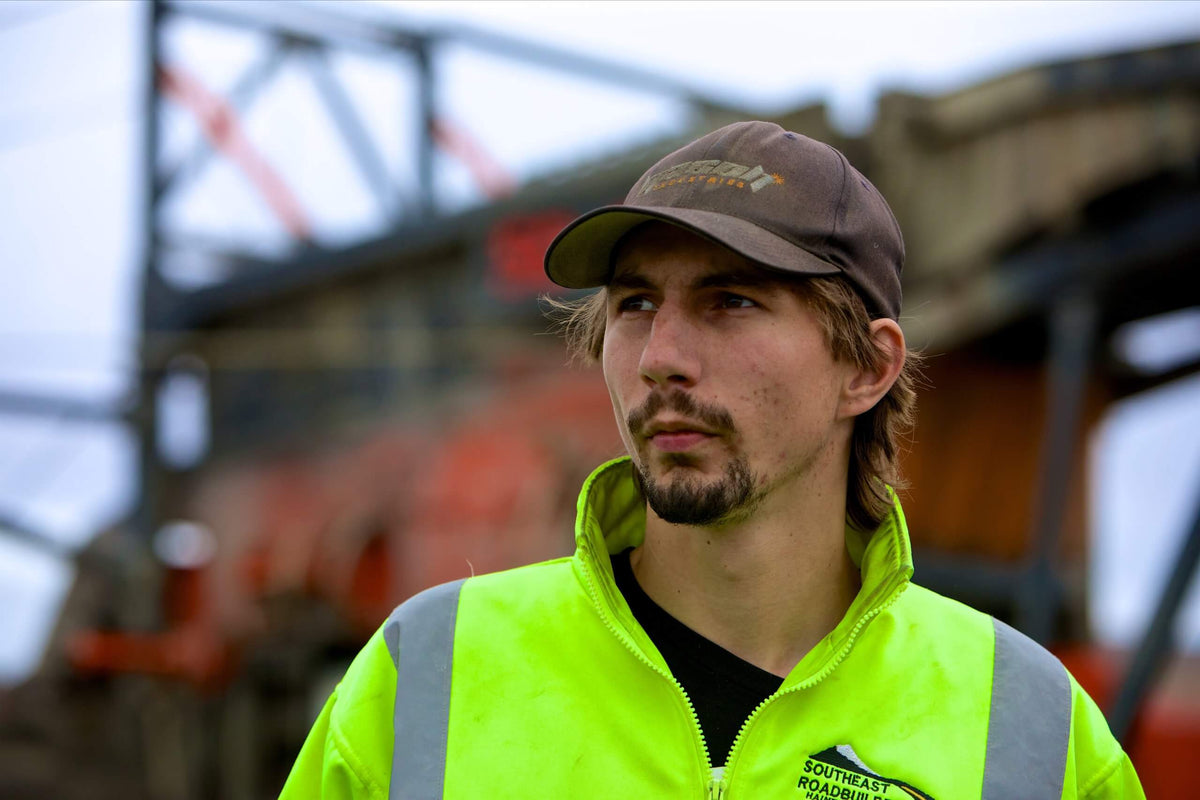
What followed was a brutal push. Long days, constant hauling, and non-stop processing defined the stretch. Finally, the crew broke into the pay layer they had been chasing. Rich material began flowing, and when the gold was weighed, the result justified the effort: 46.5 ounces in a single week.
At Sulphur Creek, the margin for error was razor-thin. The pressure was immense, and the risks were real—from equipment strain to crew fatigue and the unpredictable nature of the ground. But Parker’s decision to commit fully paid off. As the water license neared its end, the outcome proved that experience, timing, and decisive leadership can still turn a narrow window into one of the strongest weeks of the season.