The Curse of Oak Island Season 13, Episode 5: New Clues, Ancient Mysteries, and a Turning Point in the Hunt
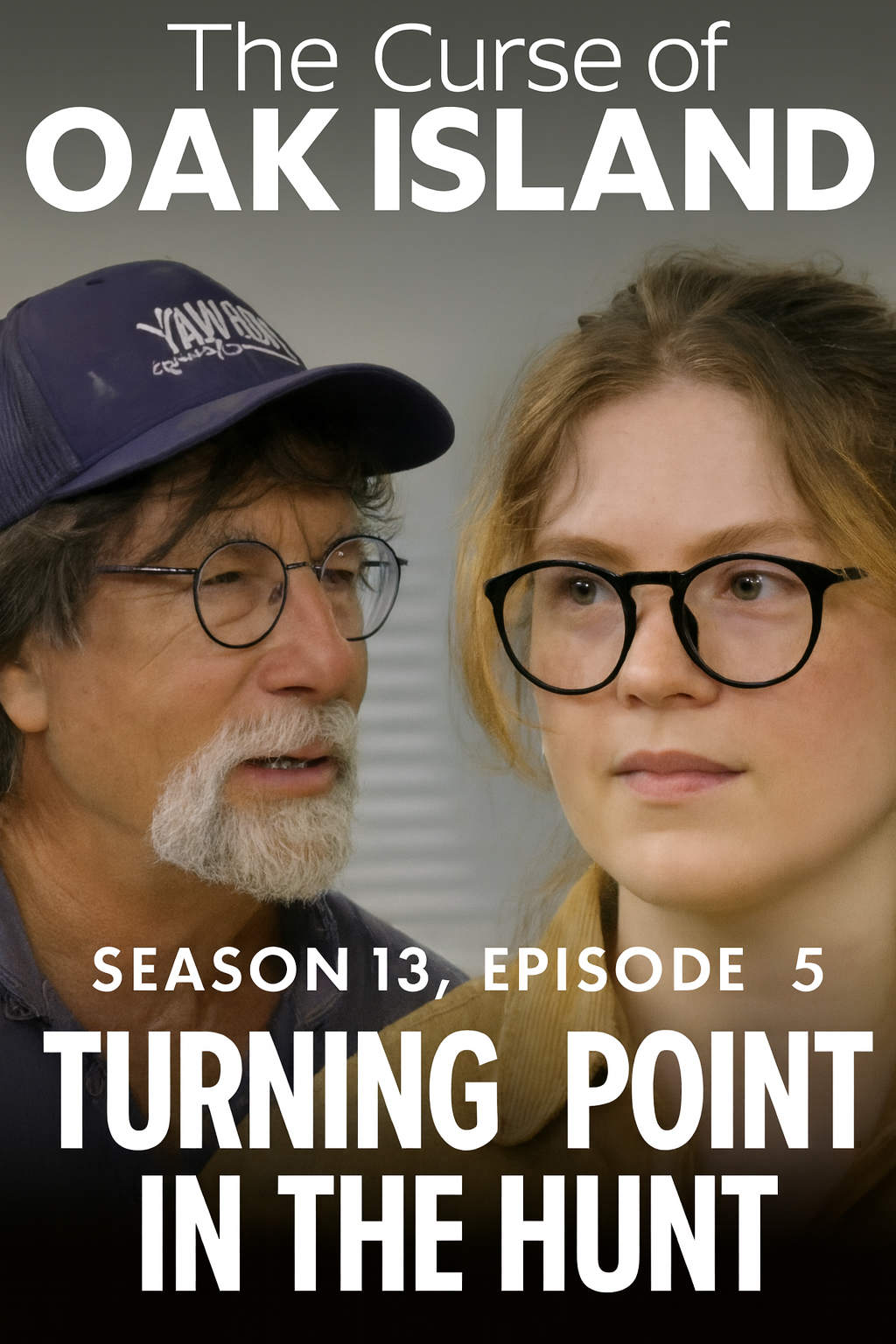
Season 13 of The Curse of Oak Island continues to push deeper into both the physical layers of the island and the mysteries that have haunted it for more than two centuries. Episode 5 stands out as one of the season’s most compelling installments, weaving together archaeology, geology, metallurgy, and emotional reflection as the team chases tantalizing clues across several key areas: the Money Pit, the swamp, and the increasingly significant Lot 5.
What follows is a breakdown of a pivotal episode in which optimism, frustration, science, and history collide in powerful ways.
1. The Money Pit: A Disappointing Result That Still Raises Hope
The episode opens with Rick and Marty Lagina overseeing a renewed drilling effort at the Money Pit. Targeting borehole G4.5, the team aims to intersect a suspected solution channel—a natural void where treasure or collapsed structures may have fallen centuries ago. 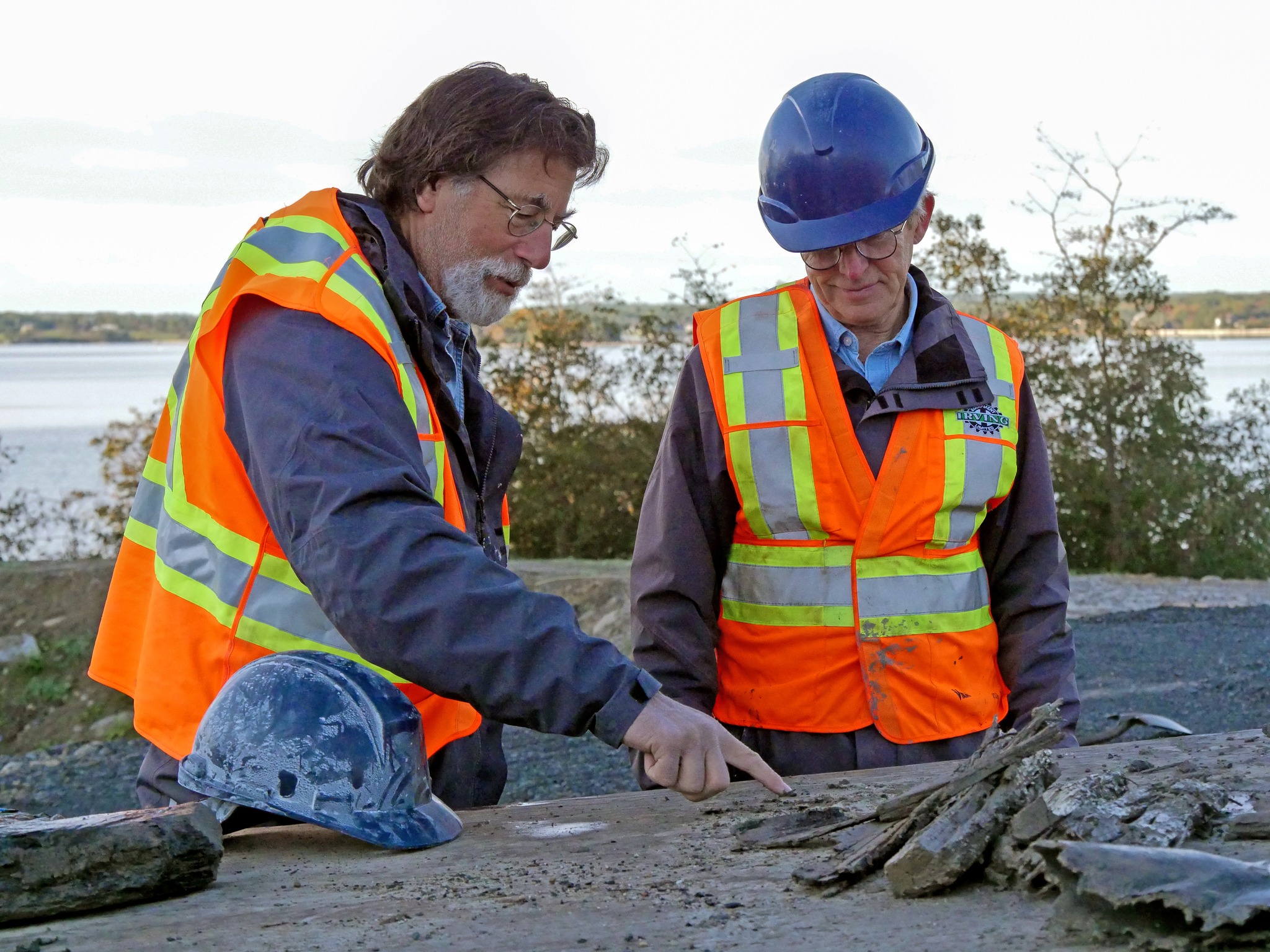
The theory is compelling:
-
The original vault at 90 feet collapsed,
-
-
Subsequent collapses allowed materials to drop deeper,
-
Forming a potentially artifact-rich cavern.


But as the drilling continues past 200 feet, the team encounters dense, compact soil rather than the soft, watery material they hoped for. The absence of metal, wood, or artifacts stings, and Rick admits disappointment.
Yet the data still supports the channel’s shape and location. Marty notes that they simply may not have struck the correct pocket yet. Unlike past setbacks, the team faces this one with measured optimism. The geology still points toward something promising—just not in G4.5.
2. The Swamp Delivers Again: A Medieval Hand Cannon?
While the Money Pit yields frustration, the swamp once again becomes the island’s most surprising source of ancient clues. Last episode, the team uncovered what appeared to be a fragment of a hand cannon, an early firearm dating as far back as the 12th century.
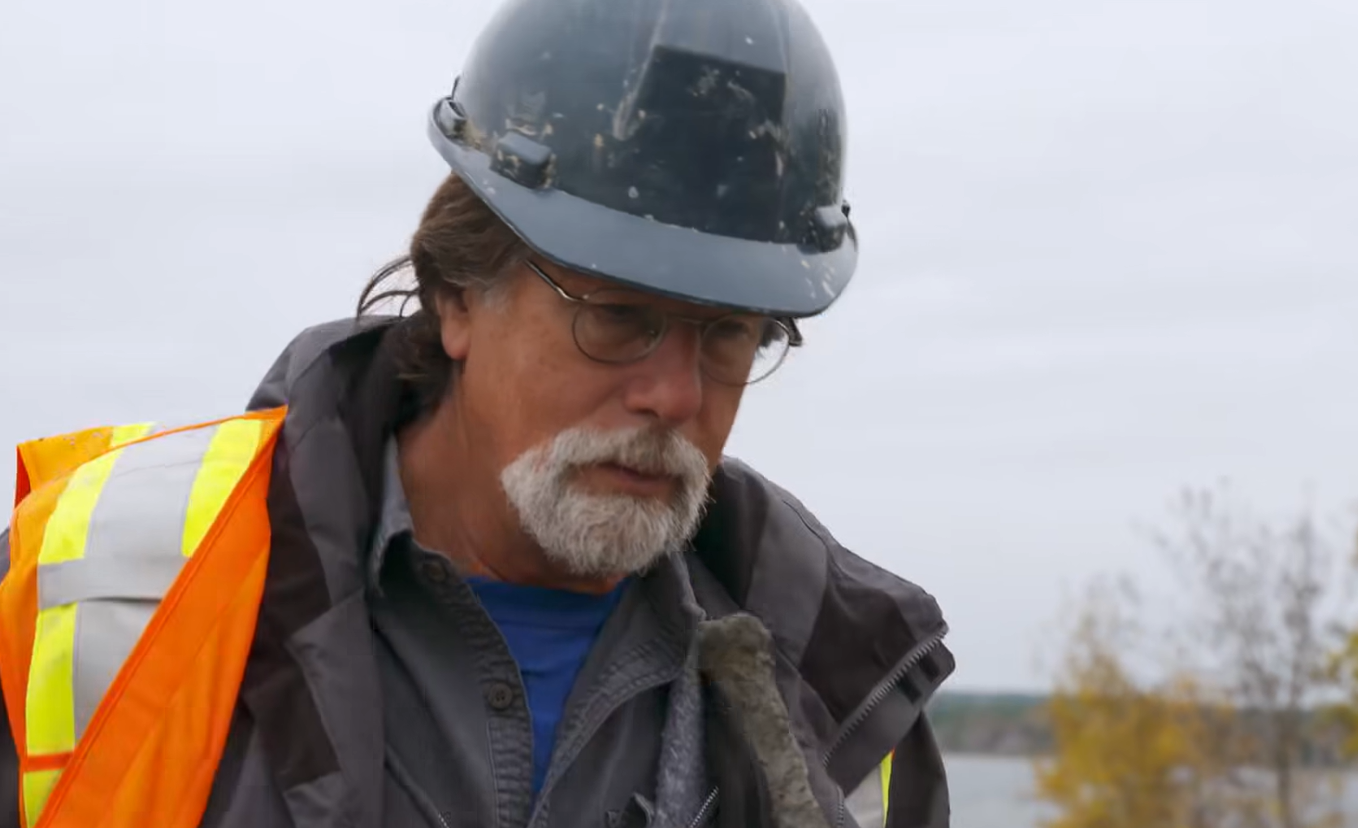
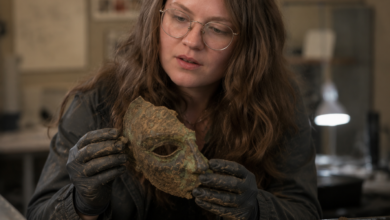
In Episode 5, Emma Culligan and Laird Niven take the artifact into the Oak Island lab. Their findings deepen the mystery:
-
Metallurgy suggests 1700s or older, eliminating modern origins.
-
Low-impurity iron matches early European forging methods.
-
CT scans reveal a touch hole, confirming it is a firing device.
Military historian Matthew Bozzoni suggests it may date between the 1200s and 1500s, which raises profound questions. How could such a weapon—a medieval tool of war—have ended up buried in a Nova Scotian swamp centuries before European settlement?
Bozzoni offers a twist: early firearms were sometimes used as rock-breaking tools. Combined with the nearby 800-year-old stone-paved area, it’s possible the hand cannon was used in construction, not combat—an astonishing idea that challenges long-held assumptions about the island’s past.
3. A Corduroy Road: Evidence of Ancient Transport
Gary Drayton and Billy Gerhardt return to the western swamp and uncover one of the episode’s most important structural discoveries: a possible corduroy road—a medieval-style log roadway used to haul heavy cargo across marshland.
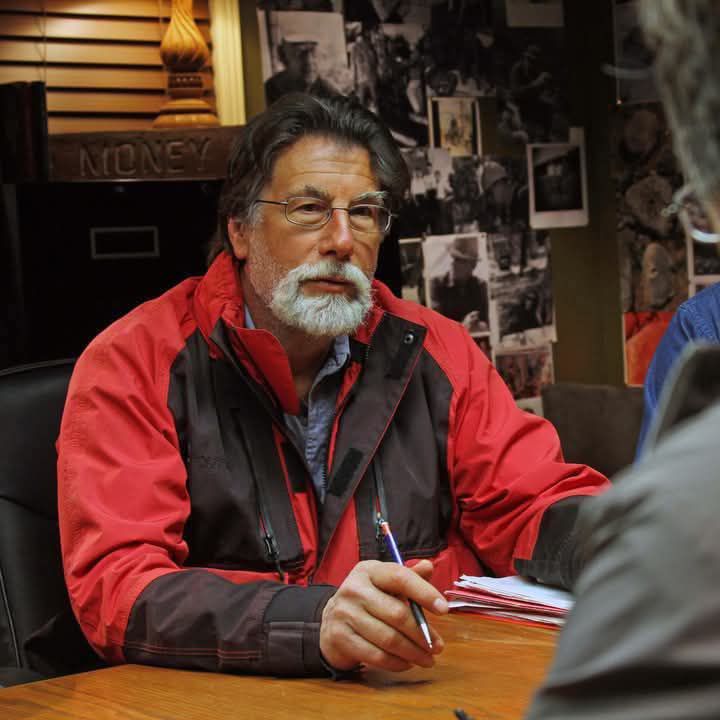
Signs of deliberate engineering include:
-
Logs stripped of bark, laid with purpose
-
Clay and shaped stones underneath
-
Coal traces matching samples from the Portuguese-style stone roadway
The implication is enormous: someone transported heavy materials into the swamp long before recorded settlement. Gary’s finds—a large iron buckle and a small iron needle buried deep in clay—strengthen the theory that something significant was hauled, stored, or built here.
4. Lot 5: A Stone Structure With Templar Echoes
Meanwhile, on Lot 5, the team exposes more of the mysterious circular stone structure first revealed earlier in the season. The findings are hard to ignore:
-
Stones resemble Portuguese-style construction seen on Lot 26.
-
Charcoal evidence suggests activity as early as 1474.
-
The orientation aligns east–west, consistent with Templar and Masonic traditions.
-
The feature’s diameter — 6 feet 72 inches — reflects symbolic geometry linked to Nolan’s Cross.
Is it a marker? A boundary? A ritual structure? The intentional design hints at something beyond agricultural activity.
5. A Quiet Moment and a Bigger Question
A touching scene unfolds when Marty finds Rick alone at Smith’s Cove after the drilling disappointment. Rick admits he hoped for at least a coin fragment—but also expresses deep gratitude for the journey, the partnership, and the pursuit.
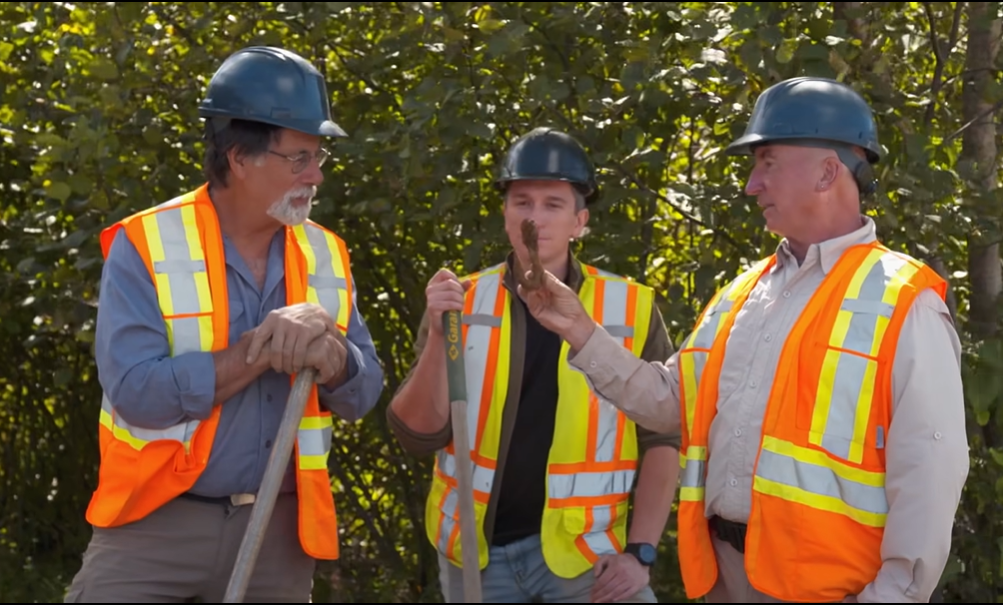
This emotional moment grounds the episode, reminding viewers why the mystery matters.
Conclusion: Failure Below, Breakthroughs Above
Episode 5 contrasts frustration in the Money Pit with extraordinary discoveries on the surface:
-
A medieval hand cannon
-
A corduroy road
-
Coal traces
-
An iron buckle
-
A possible pre-Columbian stone structure
And with every new clue, the central question grows louder:
What if Oak Island’s greatest secrets aren’t 200 feet deep—but scattered across the surface, hiding in plain sight?