Who Bankrolls Oak Island? The Power Behind the Dig
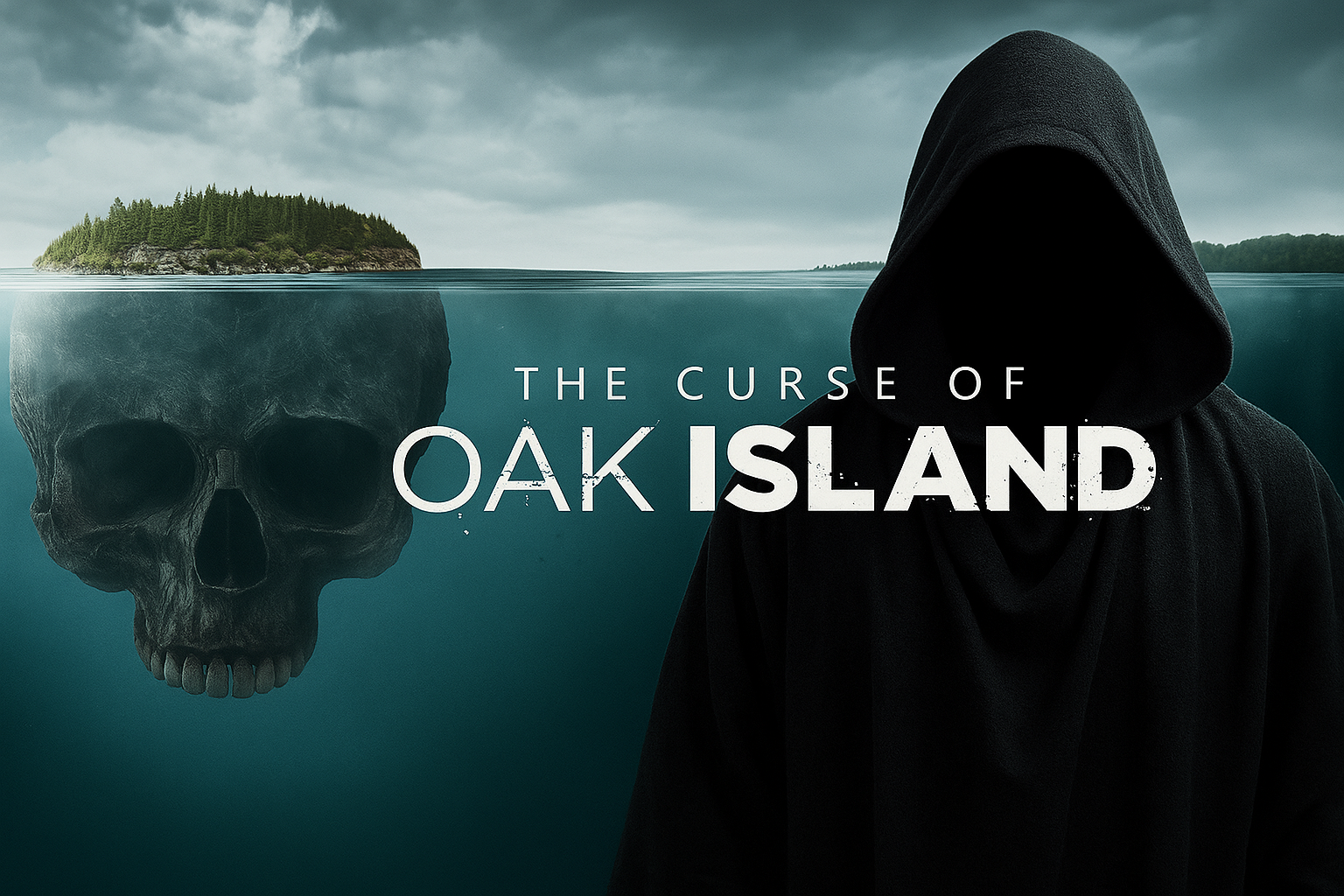
Who Really Pays for The Curse of Oak Island?
Inside the Money, the Deals, and What the Team Allegedly Earns
Byline: An investigative look at how a hit treasure-hunting series finances exploration—and what that could mean for the people on camera.
The Financing Engine: Network, Producers, and Private Capital
At its core, The Curse of Oak Island is powered by a traditional reality-TV model: the network (History) commissions the series, the production company (notably Prometheus Entertainment under the late Kevin Burns) budgets and executes, and advertisers and product placement help offset costs. That television revenue funds the filming, field logistics, specialized crews, and a portion of the digging—supplemented by private investment from principal cast members who have their own business success and stake in the search. Oak Island Tours Inc., the island’s operating entity, also participates in tourism and related activities that can help underwrite the long, expensive seasons of exploration.

How the Digging Gets Paid For
Large-ticket expenses—heavy equipment, fuel, barging, geotechnical drilling, dive operations, artifact conservation, and historical research—are a blend of production budget, sponsorship/product placement, and the personal resources of the show’s leaders. Marty Lagina’s background in energy and renewables (after building and selling Terra Energy and later launching Heritage Sustainable and Mari Vineyards) has long been cited by fans as proof the brothers can co-fund deeper work when TV budgets alone aren’t enough. Practically, that means exploration continues even when plans shift: if a shaft hits bedrock, a borehole needs casing, or an archaeological review expands, there’s still capacity to pivot and keep the cameras—and machinery—moving.
What Do Cast Members Make?
The cast is typically contracted per season rather than per episode appearance, a familiar arrangement in unscripted TV. Figures discussed in fan circles and entertainment media suggest key on-screen personalities can earn “serious thousands” per season, with top names earning more based on seniority, narrative importance, and off-camera responsibilities. Product placement and ancillary deals can add income streams. Exact contracts are confidential; any numbers you see publicly should be read as estimates.


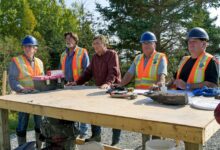

The Core Players—and Their Reported Fortunes
-
Rick Lagina is frequently estimated in the multimillion-dollar range, with wealth tied to TV, Oak Island investments, and earlier energy ventures. His role centers leadership, research, and field decisions.

-
Marty Lagina, often cited at a higher net worth, built his fortune in natural gas (Terra Energy sale) and wind power (Heritage Sustainable), and owns Mari Vineyards. His business capacity helps sustain ambitious exploration.
-
Craig Tester, a mechanical engineer and longtime partner of Marty, brings drilling and operations expertise; he’s also a producer whose business success predates the series.
-
Dave and the late Dan Blankenship remain foundational figures—Dan’s half-century of work shaped modern exploration; Dave continues the legacy with a lower public profile.
-
Gary Drayton, the show’s charismatic detectorist, parlayed decades of finds—and a once-in-a-lifetime emerald ring—into TV and teaching.
-
Charles Barkhouse, historian and guide, anchors the show’s archival rigor and long-form theories.
-
Jack Begley and Peter Fornetti represent the younger cohort: hands-on, media-savvy, and increasingly integral to daily operations.
-
Specialists like Terry Matheson (geology), Laird Niven (archaeology), and other rotating experts provide the technical backbone for each dig phase.

Beyond Salaries: Why Net Worths Vary
Public “net worth” figures for reality stars and behind-the-scenes partners tend to be directional at best. They conflate liquid assets, private company value, and long-term holdings, then add the volatility of treasure-hunting itself. On Oak Island, a promising tunnel, a 15th-century timber, or a high-silver reading can trigger new work scopes, which in turn shift budgets and personal contributions.
The Findings—and Why Funding Persists
Recent seasons have emphasized clusters like B4C and C1, where wood structures, iron artifacts (including a possible medieval rock drill), and elevated silver/gold readings suggest engineered activity predating 1795. Paved stone features, historic roadways, and artifact typology continue to bolster the case for sustained, sophisticated operations in the island’s past. Every “maybe” invites more science: dendrochronology, isotopic testing, metallurgy, and controlled digs—each requiring time, permits, and money.
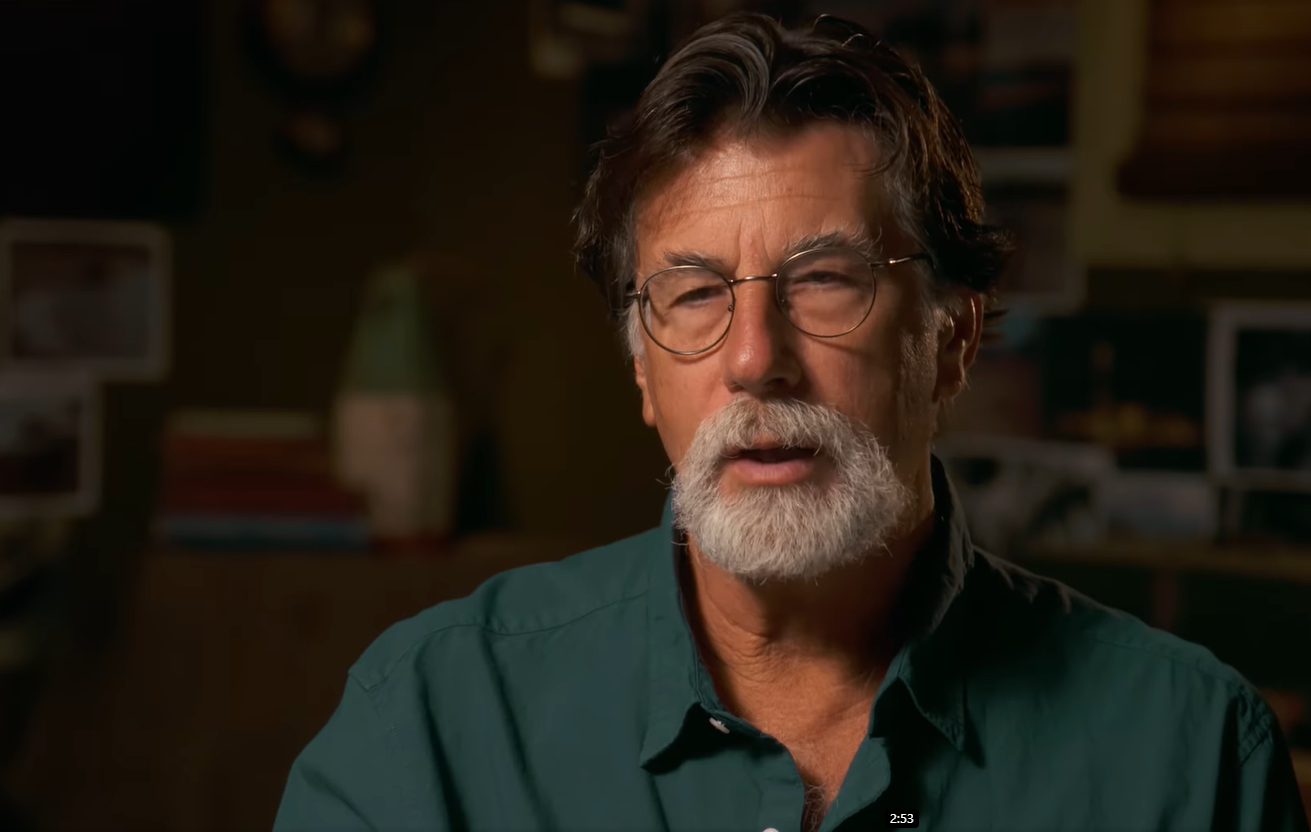
Ratings, Reach, and the Feedback Loop
The show’s audience loyalty—despite mixed critic scores—creates a feedback loop: viewership sustains advertising and commissioning confidence, which sustains budgets, which sustains deeper exploration. That is why the endeavor endures: the mystery remains commercially viable, and the principals have both the passion and resources to continue.
Bottom Line
The Curse of Oak Island is financed by a hybrid of TV economics and private investment. The digging is paid for through production budgets, sponsorships, tourism, and the principals’ businesses. Cast compensation is season-based and varies by role and seniority; widely shared numbers are best treated as estimates. What’s certain is this: as long as artifacts, structures, and scientific signals keep pointing to a hidden story beneath Oak Island, the money—and the hunt—will keep flowing.