The Clarkson Effect: Why Thousands of Young Brits Suddenly Want to Be Farmers.
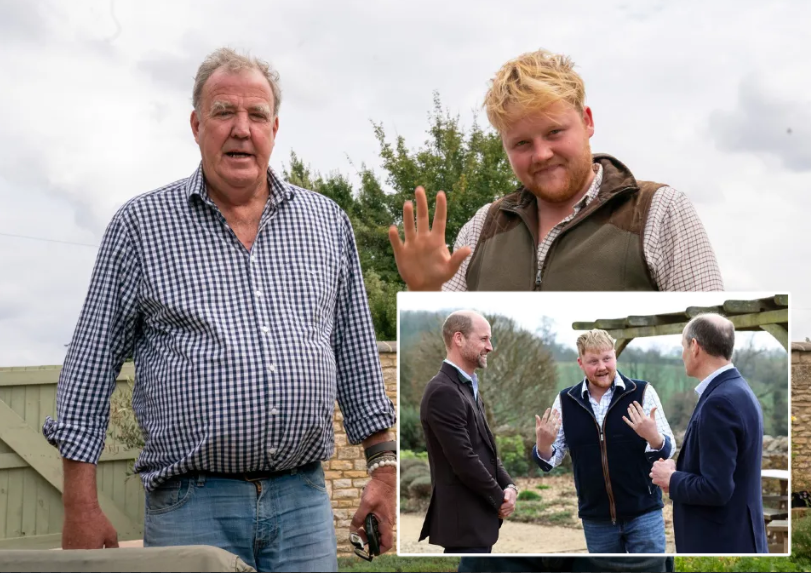
The ‘Clarkson Effect’: How Clarkson’s Farm Sparked a New Generation of Farmers
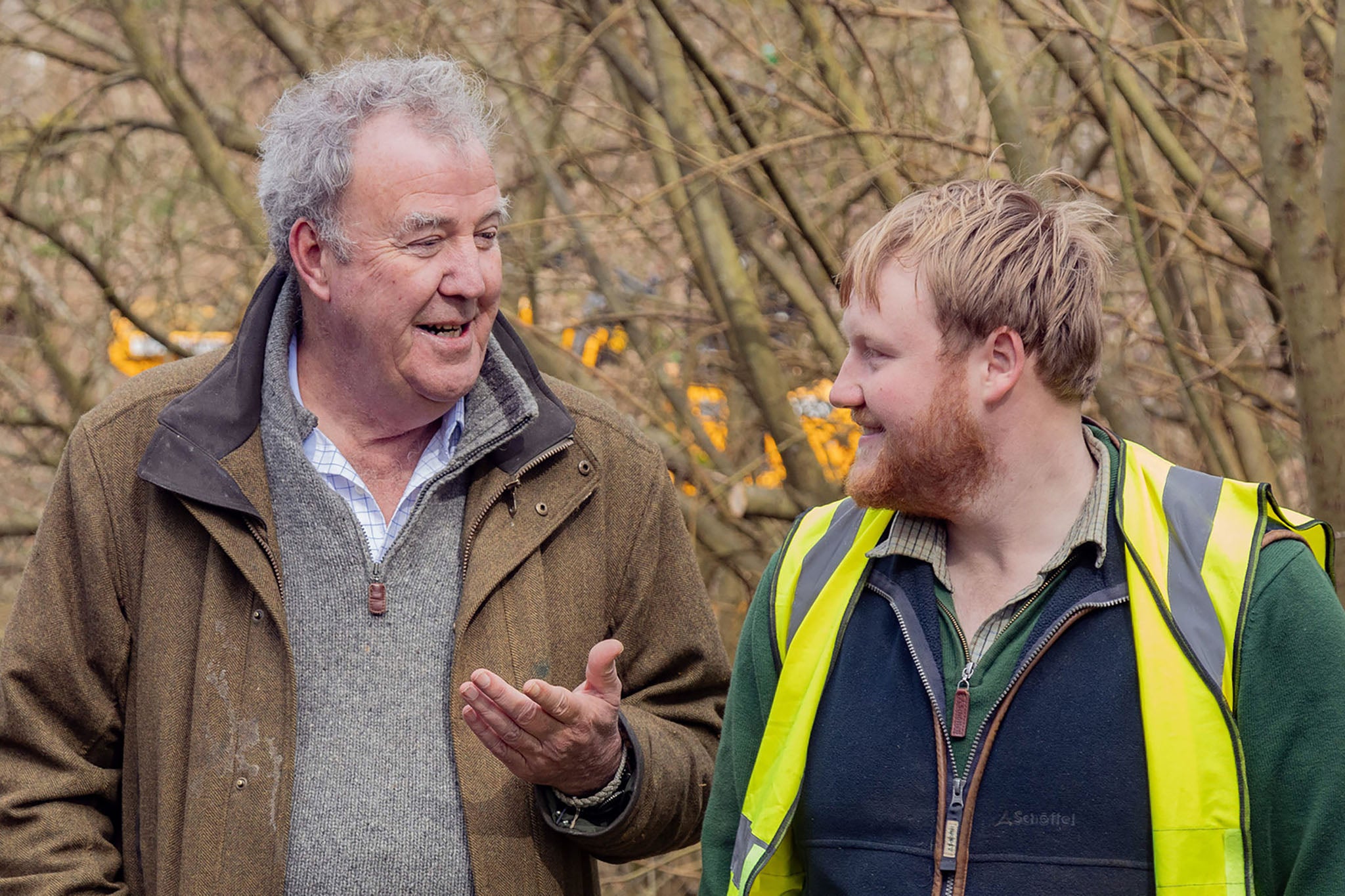
Jeremy Clarkson may be best known for roaring engines and outrageous antics on Top Gear and The Grand Tour, but in recent years his unexpected turn as a farmer has had an impact far beyond entertainment. His Amazon Prime hit, Clarkson’s Farm, has not only made farming a cultural talking point but has also inspired a wave of young people to pursue careers in agriculture.
What began as a passion project for Clarkson on his 1,000-acre Diddly Squat Farm in the Cotswolds has turned into a movement now dubbed “The Clarkson Effect.” According to agricultural colleges and universities across the UK, applications to farming and land management courses are rising sharply — and they credit Clarkson and his supporting cast of farming personalities for sparking the surge.
A Surge in Agricultural Studies
The Royal Agricultural University (RAU) in Cirencester, Gloucestershire, has reported record interest in its rural land management programs. Applications for its standard course jumped 11% in the last year alone, while the version of the program that includes a farm placement saw an even greater increase of 18%. Meanwhile, interest in its two-year foundation degree rose 14%.

Daniella Miles from RAU believes Clarkson’s influence has been key:

“It’s looking like programmes like Clarkson’s Farm are having an effect. It seems to be spreading much further than ‘I can do farming.’ People are showing interest in all the other roles and opportunities that make up the wider farming industry. For example, students look at what ‘Cheerful Charlie’ does and they want to know more.”
Indeed, Charlie Ireland — known affectionately to viewers as “Cheerful Charlie” — has become something of a role model. As Clarkson’s trusted land agent and advisor, Charlie represents the professional, technical, and often overlooked side of agriculture. His work on the show highlights how farming is not only about planting crops and raising livestock but also about business management, land stewardship, and navigating regulations.

Inspiring the Next Generation
For many teenagers, Clarkson’s often disastrous but entertaining farming journey has made agriculture relatable in a way they hadn’t considered before.
Take Rupert Jones, a 20-year-old from Bournemouth, Dorset, who is now studying for a BSc in agriculture at RAU. Rupert, who comes from a non-farming background, says the show was a catalyst for his decision to enter the field:
“For a lot of people like me, Clarkson’s Farm presented agriculture in a way we’d never thought about. And because it was coming from Clarkson, it had an impact. It definitely made me excited about going into the industry. It also showed the challenges farmers face every day. When you’re not from a farming family, the whole industry can feel daunting — you don’t know where to start. But the show made it more accessible.”
This “accessibility” may be the key to the phenomenon. Clarkson’s personality, combined with the no-nonsense expertise of Kaleb Cooper, Charlie Ireland, and Lisa Hogan, has painted a picture of farming that is tough but rewarding.

A Ripple Effect Across the UK
Other institutions are seeing similar results. Harper Adams University in Shropshire, which operates its own 550-hectare working farm, has also noticed a shift. Lecturer Andrew Black confirmed the Clarkson effect is real:
“The impact of Charlie’s role in Clarkson’s Farm is far more wide-reaching than people might think. We are starting to see a ripple effect in the number of students enrolling on our open days as a direct result.”
The series, which mixes comedy with the stark realities of British farming, has raised awareness of both the joys and struggles of rural life. Issues like government regulations, climate impacts, and razor-thin profit margins are laid bare for millions of viewers. While Clarkson often approaches them with humor or frustration, the underlying message resonates: farming is vital, complex, and in need of new talent.
New Stars, New Role Models
It’s not just Clarkson and Charlie inspiring change. Other cast members have found themselves influencing career paths as well. Harriet Cowan, who shot to fame in the most recent series when she stepped in to help at Diddly Squat, has herself made a major career change. At 24, Harriet left nursing to pursue farming full-time after gaining nationwide recognition on the show.
Her story mirrors the broader trend: young people, some with no farming background at all, are realizing that agriculture can offer a fulfilling and impactful career.
The Clarkson Legacy in Farming
Few could have predicted that Jeremy Clarkson — a man once synonymous with horsepower and controversy — would become an unlikely ambassador for British farming. Yet his candid, often clumsy adventures on Clarkson’s Farm have opened doors for a new generation.
The rise in agricultural course applications suggests his influence is more than fleeting entertainment. By highlighting the realities of farming in a way that connects with people outside traditional farming families, Clarkson has helped to bridge the gap between rural life and mainstream culture.
As Britain faces ongoing challenges in food production, sustainability, and land use, the influx of enthusiastic young farmers may prove invaluable. And while Clarkson himself might still be wrestling with tractors and battling bureaucracy, his impact is already being felt in classrooms, lecture halls, and farms across the country.